Underfloor heating is so far so good! It is a cold winter morning, and have just come down to the kitchen, on the warmest floor of the house. This brings us neatly on to the next question. If you already have radiators in your house, or you have to choose between them.
You can run underfloor heating and radiators in one home. Many homes have underfloor heating installed as well as the existing radiators, and whilst it can seem a bit confusing as to how they work, there are a few basic things to note.
How Do Underfloor Heating and Radiators Work?
Before we look at how you can combine the use of radiators and underfloor heating, it is best to first read about how each of the systems works.
Radiators
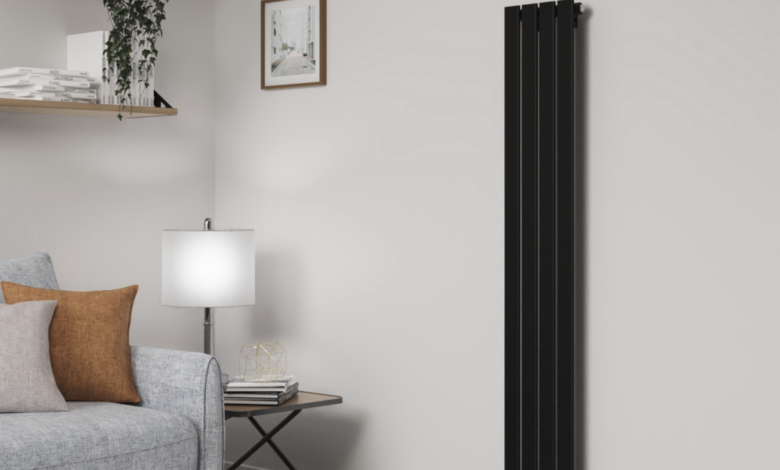
The first system to consider is that of the conventional radiator. Typically supplied from your boiler at temperatures of around 70/80 degrees Celsius, these heating devices are of a localised type. They disperse the heat from the top of the radiator and tend to create a hot spot in the room in which they are installed.
Underfloor Heating
Underfloor heating (UFH) uses hot water pumped through pipes laid under the floor. Typically, this water is at a lower temperature than that used by radiators and is often between 35°C and 45°C. As the water rises through the pipes, it distributes heat evenly across the room.
The critical point when linking these two systems is the temperature that each requires.
Can They Run From the Same Boiler?
Most systems are installed as ‘combined systems’ and function as before, with your current boiler supplying both systems. Due to the underfloor heating system requiring low temperatures and your radiators requiring high temperatures, a blending valve (also known as a mixing valve) is required to blend the hot water from your boiler with the cooler return water from the underfloor heating system to the required temperature for distribution to the underfloor heating.
The blending valve is used to mix the hot water from the boiler with the cool return water from the underfloor heating system to provide the correct temperature to the underfloor heating system. The radiators are then supplied with hot water as normal.
Without a blending valve, the underfloor heating pipes could become overheated and damage the floor and create an overheated room.
Is It a Good Idea to Combine Them?
For many homes, yes, it’s a really practical setup. Here’s why people choose it:
- Flexibility. You can use underfloor heating in rooms where it works best (kitchens, bathrooms, extensions) and keep radiators in rooms where UFH isn’t practical.
- Comfort. Underfloor heating gives a gentle, even warmth. Radiators heat a room quickly. Together, they cover all bases.
- Cost efficiency. If you’re doing a renovation or extension, adding UFH to just that new space while keeping radiators elsewhere is much cheaper than ripping up all your floors.
Which Rooms Work Best for Each?
Not every room suits underfloor heating equally. Here’s a rough guide:
Underfloor heating works well in:
- Kitchens
- Bathrooms and en-suites
- Extensions and orangeries
- Open-plan living areas
- Hallways with tiled floors
Radiators still make more sense in:
- Bedrooms (quicker to heat up when needed)
- Rooms with thick carpet or underlay that blocks heat
- Older parts of the house where laying pipes isn’t practical
- Rooms where you only need heat occasionally
Mixing both systems lets you get the best of each option, depending on the room.
What About Heat Pumps?
Consider what will be required when designing your new heating system if, in the future, you intend to replace your gas boiler with a heat pump.
Most heat pumps run at lower temperatures than standard central heating systems and so are very well suited to underfloor heating systems. However, they do also reduce the efficiency of radiators as they require larger radiators to circulate the same amount of warmth at lower temperatures. It’s a good idea to get a heat engineer’s input into designing your home’s heating system, so that it is future-proofed should you need to install a heat pump at a later date.
Another factor to take into consideration when installing a new system is that in the future you may decide to change to a heat pump for your central heating. An experienced heating engineer will be able to advise you on the best installation for your home.
What Does the Installation Involve?
Combining the two systems is not a weekend DIY job. You’ll need a qualified heating engineer to do this properly.
Here’s what the installation typically involves:
- Assessing your boiler. Making sure it can handle both systems together without losing efficiency.
- Installing a blending valve. To control the water temperature going to the underfloor heating circuits.
- Laying the underfloor pipes. Either in a screed (wet system) or between floor joists or in panels (dry system).
- Adding a separate manifold. This controls the flow of water to each underfloor heating zone independently.
- Connecting thermostats. Each zone — underfloor and radiators — should have its own thermostat so you can control them separately.
- Testing the whole system. Once everything is connected, the engineer will run the system and check for leaks, balance the flow, and make sure temperatures are correct.
It sounds like a lot, and it is a proper job. But done right, it works seamlessly, and you barely notice the two systems are separate.
How Much Does It Cost?
Costs vary depending on the size of your home, the type of underfloor heating, and how much of the existing system needs upgrading.
As a rough guide:
- Wet underfloor heating for one room: around £500 to £1,500 fitted
- Dry underfloor heating system: slightly cheaper and less disruptive
- Blending valve and manifold: typically £200 to £500 for parts and fitting
- Full house wet UFH combined with radiators: can run into several thousand pounds
Always get at least two or three quotes from qualified heating engineers before committing.
Tips to Get the Most Out of a Combined System
- Use smart thermostats. Being able to control each zone from your phone makes a combined system much easier to manage.
- Don’t set both systems to maximum. Underfloor heating is slow to respond; it works best when left on at a steady, lower temperature rather than blasted on and off.
- Be patient with underfloor heating. It takes longer to warm up than a radiator. Plan your heating schedule around that.
- Service your boiler every year. A combined system puts more demand on your boiler. Regular servicing keeps it running efficiently.
Combining underfloor heating with radiators is not only possible for many homes, but it’s also actually the smartest heating solution available. You get the even, comfortable warmth of underfloor heating where it works best, and the quick, reliable heat of radiators everywhere else.
The key is getting the setup right from the start. Use a qualified heating engineer, make sure you have the right controls in place, and plan which rooms suit which system.
Done properly, a combined system is efficient, comfortable, and built to last.