Jamie Njoku-Goodwin: From Music Industry Leader to Strategic Government Advisor
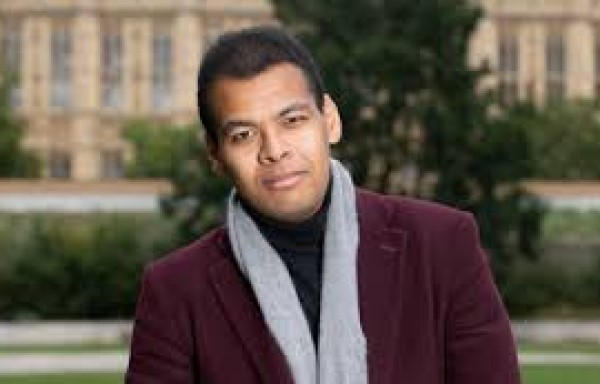
Jamie Njoku-Goodwin has established himself as one of the most influential figures in the UK’s music and political landscapes. With a career spanning music management, government advisory roles, and strategic leadership, Njoku-Goodwin exemplifies how expertise in creative industries can translate into public service and national policy influence. This article explores his journey, achievements, and the impact he has had on both the UK music industry and government strategy.
Early Life and Education
Jamie Njoku-Goodwin was born and raised in the United Kingdom. From a young age, he displayed a deep interest in music and the arts, which would later shape his professional journey. He pursued formal education in music at the University of Nottingham, where he honed his understanding of the creative and technical aspects of the industry.
Recognising the importance of broadening his professional scope, Njoku-Goodwin later earned a master’s degree in international relations. This academic foundation provided him with a unique perspective, allowing him to bridge the worlds of creative industries and government policy effectively.
Career Beginnings in the Music Industry
Njoku-Goodwin’s early career was rooted in the music industry. He began by working with various music organisations, gaining insight into the operational, financial, and promotional aspects of the sector. His ability to navigate complex organisational structures and advocate for artists and industry professionals distinguished him from his peers.
His experience in music management and advocacy equipped him with essential skills that would later inform his strategic decisions in governmental advisory roles. Understanding the needs of artists, producers, and venues enabled him to approach policy with both creativity and pragmatism.
Leadership at UK Music
In 2020, Jamie Njoku-Goodwin was appointed Chief Executive Officer of UK Music, the body representing the UK’s music industry. His tenure coincided with one of the most challenging periods for the sector due to the COVID-19 pandemic.
Steering the Industry Through Crisis
The pandemic forced live venues to close, disrupted tours, and created financial instability for artists and music professionals. Njoku-Goodwin’s leadership during this period was crucial. He advocated for government support for the music sector, ensuring that artists, venues, and production companies received financial aid to sustain operations.
Promoting Diversity and Inclusion
Beyond crisis management, Njoku-Goodwin championed diversity and inclusion within the music industry. He pushed for initiatives that amplified underrepresented voices, supported emerging artists from diverse backgrounds, and encouraged industry-wide efforts to foster equality.
Strengthening Industry-Government Collaboration
A key aspect of Njoku-Goodwin’s role at UK Music was bridging the gap between the music industry and policymakers. He regularly consulted with government departments, presenting evidence-based recommendations that informed legislation and funding decisions. His approach highlighted the importance of cultural policy as a driver of economic growth and social cohesion.
Transition to Government Advisory Roles
In 2023, Jamie Njoku-Goodwin transitioned from the music sector to a senior government advisory position as Director of Strategy to the UK Prime Minister. This move marked a significant shift, demonstrating his versatility and capacity to influence policy at the national level.
Responsibilities as Director of Strategy
In this role, Njoku-Goodwin advises on key government initiatives, ensuring that policies are strategically aligned with national priorities. His responsibilities include assessing the impact of proposed policies, coordinating cross-departmental projects, and providing guidance on long-term planning.
Applying Industry Insights to Policy
Njoku-Goodwin’s background in the music industry provides a unique perspective in government. His experience in advocacy, stakeholder engagement, and crisis management equips him to address complex challenges, balancing the needs of various sectors while promoting innovation and cultural enrichment.
Achievements and Recognition
Jamie Njoku-Goodwin’s contributions have not gone unnoticed. His leadership at UK Music significantly improved the resilience of the UK music industry during turbulent times. Similarly, his transition to government advisory roles has reinforced the value of cross-sector expertise in shaping effective public policy.
In recognition of his services, Njoku-Goodwin was awarded an Officer of the Order of the British Empire (OBE) in the Prime Minister’s Resignation Honours, acknowledging his significant contributions to public service and political leadership.
Strategic Vision and Leadership Style
Njoku-Goodwin is widely recognised for his strategic thinking and collaborative approach. He emphasises evidence-based decision-making, drawing on research, industry insights, and stakeholder feedback to guide policies and initiatives.
Collaboration and Teamwork
A hallmark of his leadership is the ability to foster collaboration across diverse teams. Whether in music management or government strategy, he prioritises open communication, inclusivity, and a shared vision.
Innovation and Adaptability
Njoku-Goodwin’s career demonstrates adaptability in the face of evolving challenges. His innovative solutions during the pandemic showcased his capacity to respond dynamically to unprecedented situations, ensuring sustainable outcomes for both the music sector and government operations.
Contributions to Cultural Organisations
Beyond his professional roles, Njoku-Goodwin contributes to cultural organisations across the UK. He serves on the boards of institutions such as the London Philharmonic Orchestra, ABRSM, and the Royal College of Music.
These positions reflect his commitment to supporting arts education, nurturing emerging talent, and promoting the importance of culture in society. By combining industry knowledge with strategic oversight, Njoku-Goodwin helps these organisations thrive and adapt in an ever-changing cultural landscape.
The Impact of His Work
Jamie Njoku-Goodwin’s work has had a lasting impact on both the music industry and public policy. By advocating for financial support, diversity, and strategic collaboration, he has strengthened the resilience and inclusivity of the UK music sector.
In government, his insights continue to shape strategic decisions that influence national policy, demonstrating the value of cross-sector expertise in addressing complex challenges. His career exemplifies how leadership in one domain can inform and enhance contributions in another, bridging creative industries and public service effectively.
Lessons from Jamie Njoku-Goodwin’s Career
There are several key takeaways from Njoku-Goodwin’s career that aspiring leaders can learn from:
-
Embrace versatility: Success in one sector can translate into impact in others when combined with strategic thinking.
-
Prioritise collaboration: Building partnerships across sectors strengthens outcomes and promotes shared goals.
-
Champion inclusion: Advocating for diversity and equality enhances organisational culture and societal impact.
-
Respond to challenges proactively: Effective leadership involves anticipating challenges and developing innovative solutions.
-
Commit to lifelong learning: Continuous education and skill development enable leaders to adapt and excel in evolving environments.
Conclusion
Jamie Njoku-Goodwin’s journey from music industry executive to senior government adviser highlights the power of combining creative expertise with strategic leadership. His ability to navigate complex challenges, promote diversity, and influence national policy serves as a model for professionals across sectors.
By bridging the gap between arts and government, Njoku-Goodwin has demonstrated that leadership, vision, and adaptability are universal qualities that can drive meaningful change, leaving a lasting legacy in both the cultural and public service spheres.