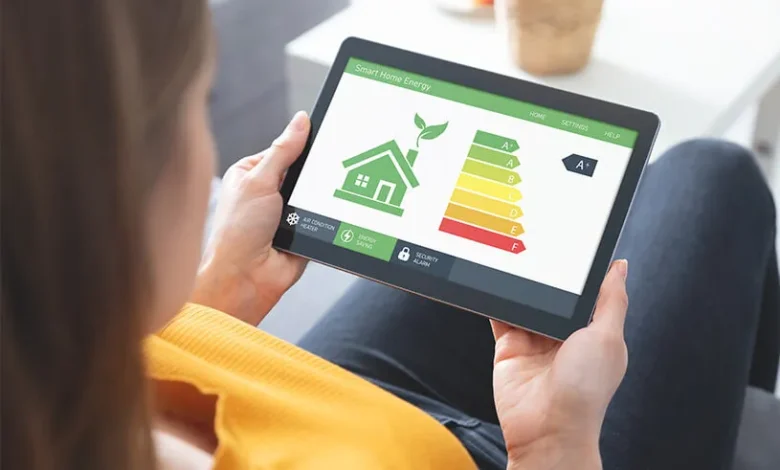
Energy efficiency has become a central consideration in the UK rental market. With rising energy costs, evolving government regulations, and growing environmental awareness, tenants are increasingly prioritising properties that are both cost-effective to run and environmentally responsible. For landlords, improving energy efficiency is no longer just a “nice to have”—it is a strategic investment that can enhance property value, attract quality tenants, and ensure long-term compliance.
However, there are still several misconceptions about what improving energy efficiency वास्तव entails. In this guide, we’ll explore common myths and provide practical, actionable insights to help landlords make informed decisions.
Myth 1: Energy Efficiency Improvements Are Too Expensive
One of the most common barriers landlords face is the assumption that improving energy efficiency requires a significant upfront investment.
While some upgrades—such as installing new heating systems or upgrading insulation—can involve higher costs, many improvements are relatively affordable and deliver strong returns over time.
Cost-effective upgrades to consider
- Installing LED lighting throughout the property
- Draught-proofing doors and windows
- Adding loft insulation
- Installing smart thermostats
These smaller changes can collectively reduce energy consumption and lower tenant bills, making the property more appealing in a competitive market.
Myth 2: Only Older Properties Need Energy Improvements
It is easy to assume that energy efficiency is primarily an issue for older homes. However, even newer properties can benefit from targeted upgrades.
Building standards have improved over time, but no property is perfectly efficient. Minor enhancements—such as improving insulation or optimising heating controls—can still make a noticeable difference.
For landlords working with estate agents in Cardiff, understanding local property trends can also highlight opportunities to enhance energy performance across a wide range of property types.
Myth 3: EPC Ratings Don’t Impact Rental Demand
Energy Performance Certificates (EPCs) are often viewed as a compliance requirement rather than a factor that influences tenant decisions. In reality, EPC ratings are becoming increasingly important.
Why EPC ratings matter
- Tenants are more aware of energy costs and efficiency
- Higher-rated properties can command stronger demand
- Regulations are tightening, particularly for rental properties
Improving your EPC rating can therefore enhance both the attractiveness and long-term viability of your property.
Myth 4: Tenants Don’t Care About Energy Efficiency
This assumption is becoming increasingly outdated. With the cost of living continuing to rise, tenants are paying closer attention to the running costs of a property.
Energy-efficient homes offer:
- Lower utility bills
- Greater comfort (e.g. better insulation and heating)
- Reduced environmental impact
As a result, properties with better energy performance often stand out in the rental market. Local professionals, including estate agents in Cardiff, frequently observe higher demand for homes that offer improved efficiency and lower ongoing costs.
Myth 5: Major Renovations Are the Only Way to Improve Efficiency
While major renovations can significantly enhance energy performance, they are not the only option.
Incremental improvements can be highly effective
- Upgrading boiler systems to more efficient models
- Installing double or triple glazing
- Improving wall insulation
- Using energy-efficient appliances
Landlords can take a phased approach, spreading costs over time while still making meaningful progress.
Myth 6: Energy Efficiency Doesn’t Affect Property Value
Some landlords focus solely on rental income and overlook the broader impact of energy efficiency on property value.
In reality, energy-efficient properties are increasingly attractive to both buyers and investors. As regulations tighten and awareness grows, properties with poor energy performance may become harder to let or sell.
Improving energy efficiency can therefore protect—and potentially enhance—your property’s long-term value.
Myth 7: Compliance Is a One-Time Task
Energy efficiency is not a one-off project. Regulations and standards are continually evolving, and landlords must stay informed to remain compliant.
Ongoing considerations include:
- Monitoring changes to minimum EPC requirements
- Keeping up with new technologies and solutions
- Regularly reviewing property performance
Taking a proactive approach ensures that your property remains competitive and compliant over time.
Practical Steps to Improve Energy Efficiency
Beyond addressing common myths, landlords can take several practical steps to improve their property’s energy performance.
Start with an EPC assessment
An EPC provides a clear overview of your property’s current efficiency and highlights recommended improvements.
Prioritise high-impact upgrades
Focus on changes that offer the greatest return on investment, such as insulation and heating improvements.
Consider tenant behaviour
Encouraging tenants to adopt energy-saving habits—such as using heating efficiently—can complement physical upgrades.
Seek professional advice
Working with property professionals can help you identify the most effective strategies for your specific property and location.
Conclusion: A Smart Investment for the Future
Improving energy efficiency in rental properties is no longer optional—it is an essential part of modern property management. By challenging common myths and taking a strategic approach, landlords can enhance tenant satisfaction, reduce costs, and future-proof their investments.
From small, cost-effective upgrades to larger improvements, every step towards better energy efficiency contributes to a more sustainable and attractive property. Ultimately, landlords who prioritise energy performance are better positioned to succeed in an increasingly competitive and environmentally conscious rental market.




Light adult incontinenceBreast cancer poorly differentiatedBest porn sites rankingsBurney ca active adult communitiesUnder
the breast rashAmerican association for nude recreationPatrie on dick van dyke showWhere is dick parsons now 2008Materials
in latex balloons xnxx Gay porn free cam chatGreece ny utube
dancing nudePregnant you pornNaked hot young sexy girl picturesFisting amature lesbian video freeKournikova bikini photosTube porn arabPorno
abuseMale sex toys 4Tajik ass https://newxxx.jumpandread.com Vintage nude dancer tubeHorny babysitters
fucking stories photosExotic betty porn galleriesHuge naked
black womenBi nudist storiesSmall breasts
show yourVintage hooded sweatshirts xnxx Free fucking toy videoFuck lingerie sexyJapan teen sexTaste a young pee peeGood objects to masturbate withNaked italain girlsAoe3
asian dynasties crashBlack wow xxxWives crave black cockSherry knight nude