Johannes Spors: The Visionary Football Executive Shaping Modern Club Management

Introduction
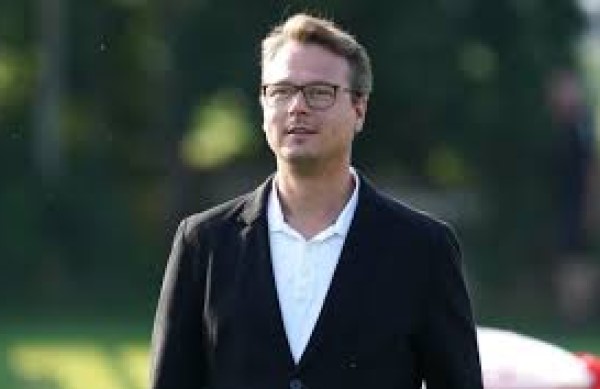
In the fast-paced world of modern football, few executives combine analytical precision with strategic foresight as effectively as Johannes Spors. Known for his transformative approach to scouting and player recruitment, Spors has steadily carved a niche as one of Europe’s most influential football directors. His career trajectory, from a humble analyst to a leading sporting director overseeing multi-club operations, exemplifies the evolving nature of football management.
This article explores his life, career, philosophy, and contributions to the football industry, providing an in-depth understanding of why Johannes Spors is a name every football enthusiast and professional should know.
Early Life and Education
Johannes Spors was born on 17 August 1982 in Heidelberg, Germany. From a young age, he displayed a keen interest in sports, particularly football. Unlike many of his contemporaries who pursued playing careers, Spors gravitated towards the analytical side of the game.
He pursued higher education with a focus on sports science and analytics, equipping him with the knowledge necessary to merge data-driven insights with traditional scouting methods. This unique combination would later become the hallmark of his approach to football management.
Career Beginnings: From Analyst to Scout
Spors began his professional journey in 2007 as a video analyst at TSG 1899 Hoffenheim, a club known for embracing modern football analytics. Here, he worked closely with coaches and scouts, analysing match footage, player performance, and tactical trends. His meticulous attention to detail and innovative mindset quickly set him apart.
Developing a Data-Driven Philosophy
During his early years, Spors became a firm believer in the integration of data analytics with traditional scouting. He advocated for using statistical models to identify player potential, assess performance metrics, and guide recruitment decisions. This forward-thinking philosophy became instrumental in his later success at several European clubs.
Rise Through European Football
RB Leipzig: The Scouting Powerhouse
In 2015, Johannes Spors joined RB Leipzig, a club rapidly establishing itself as a powerhouse in German football. At Leipzig, he focused on building a comprehensive scouting network and refining player recruitment strategies.
His work contributed to identifying undervalued talent in European leagues, helping Leipzig achieve competitive results while maintaining financial sustainability. Spors’ emphasis on long-term player development became a blueprint for modern scouting operations.
Hamburger SV: Leadership in Recruitment
Following his success at Leipzig, Spors took on a leadership role at Hamburger SV in 2018, heading the club’s recruitment operations. He was tasked with overseeing player acquisitions, assessing potential signings, and integrating young talent into the senior squad.
At Hamburg, he demonstrated an exceptional ability to balance immediate team needs with long-term strategic planning. His decisions reflected a deep understanding of both footballing quality and market dynamics, ensuring that the club invested wisely in player acquisitions.
SBV Vitesse and Genoa CFC: Broadening Horizons
In 2020, Spors expanded his career internationally by joining SBV Vitesse in the Netherlands. Here, he served as Sporting Director, managing all aspects of the club’s football operations. His role encompassed player recruitment, contract negotiations, and youth development.
His next significant move was to Genoa CFC in Italy, where he acted as General Manager. At Genoa, Spors implemented structured recruitment strategies, focusing on scouting emerging talent while enhancing the club’s competitive edge in Serie A.
Modern Era: Multi-Club Strategy and Southampton FC
Today, Johannes Spors serves as the Sporting / Technical Director at Southampton FC, working closely with Sport Republic, the club’s ownership group. His role extends beyond a single club, overseeing football operations across a multi-club network.
Defining the Multi-Club Model
Spors is a leading advocate of the multi-club model, where football operations, scouting, and talent development are coordinated across multiple teams. This strategy allows clubs to share data, resources, and talent pipelines, improving efficiency and maximising player potential.
Under Spors’ guidance, Southampton FC has embraced this model, combining traditional scouting expertise with modern analytics. The result is a cohesive system capable of identifying talent early, nurturing young players, and strategically placing them across affiliated clubs to optimise performance and value.
Philosophy and Approach
Data Meets Tradition
Johannes Spors’ philosophy revolves around the integration of data analysis with traditional scouting. He believes that while statistics provide valuable insights, the human element – observation, intuition, and experience – remains indispensable.
Long-Term Planning
Spors prioritises long-term strategic planning over short-term gains. His recruitment decisions often focus on players’ potential growth rather than immediate performance, reflecting a sustainable approach to team building.
Youth Development Focus
A key aspect of his philosophy is investing in youth academies and nurturing young talent. By identifying promising players early and providing them with structured development pathways, Spors ensures a steady flow of skilled professionals capable of competing at the highest level.
Achievements and Impact
- Talent Identification: Successfully scouted and recruited young, undervalued players who became key assets for their clubs.
- Strategic Leadership: Implemented structured recruitment strategies across multiple European clubs, enhancing operational efficiency.
- Modern Football Management: Pioneered the integration of data analytics and traditional scouting within multi-club ownership models.
- International Influence: Worked across Germany, the Netherlands, Italy, and England, bringing a global perspective to football management.
Challenges and Adaptation
Despite his successes, Johannes Spors has faced challenges, including balancing the financial demands of clubs with competitive ambitions. He has adapted by embracing innovative models, such as multi-club ownership, which allows risk-sharing and resource optimisation.
His ability to navigate the complexities of modern football administration demonstrates not only his intelligence but also his adaptability in a rapidly changing sporting landscape.
Personal Qualities
Spors is known for his meticulous attention to detail, strong analytical skills, and collaborative leadership style. Colleagues describe him as both visionary and pragmatic, capable of bridging the gap between data science and football intuition.
His interpersonal skills also play a significant role in negotiations, player relations, and organisational management, making him an indispensable figure in any football executive team.
Future Outlook
Johannes Spors is poised to continue shaping the future of football management. With an emphasis on data-driven recruitment, youth development, and multi-club strategies, his influence is expected to grow across European football and beyond.
His career path serves as a blueprint for aspiring football executives, illustrating the power of combining analytical thinking, strategic vision, and a deep understanding of the sport.
Conclusion
Johannes Spors embodies the modern football executive: strategic, analytical, and forward-thinking. From his early days as a video analyst to his current role as a multi-club sporting director, he has consistently demonstrated an ability to innovate and lead.
By merging data insights with traditional scouting, prioritising youth development, and embracing long-term planning, Spors has transformed the way clubs approach recruitment and management. His story is a testament to the evolving nature of football leadership and the growing importance of intelligence and strategy behind the scenes.
As football continues to evolve, Johannes Spors remains at the forefront, shaping the game not only on the pitch but also in boardrooms, scouting networks, and talent academies across Europe. His vision and methodology are likely to influence football management for years to come.