Steel pressing is a critical and unique metal fabricating technique in modern times, converting flat sheets of steel into complex but very high-strength pieces. Through a combination of powerful hydraulic or mechanical presses and precision dies, steel pressing is able to achieve high degrees of accuracy and consistency in manufacture. That not only provides repeatable results, but it also has to meet the high bar that some industries like automotive, construction, and appliance building will demand.
What Is Steel Pressing?
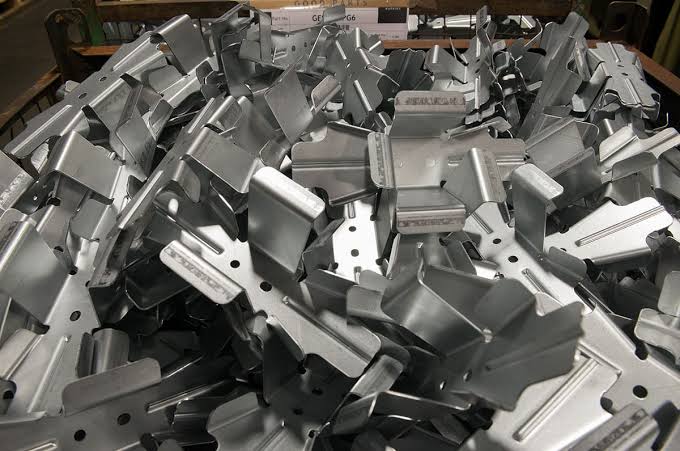
Pressing Steel is used to transform two-dimensional sections of flat steel known as blanks into three‑dimensional parts on a mechanical press or hydraulic press using tooling that is designed specifically for each type of part. This can include blanks, punches, bends, draws, and coins in the process. In fact, pressing can yield parts with tight tolerances and a near-perfect surface finish. Pressing Steel is a versatile and highly efficient forming process for both simple brackets and complex auto body panels. Moreover, it is well suited for prototyping runs and high‑volume manufacturing because of its high production speeds and repeatability.
Benefits of Steel Pressing
Pressing Steel is superior compared unfavorably to most manufacturing processes. It is a very fast process, with cycle times usually in seconds. Steel creates very little waste as sheet metal can be nested to maximise the use of materials. The parts produced have better strength and quality since the tooling guarantees that each part is identical. Complex geometries are possible with pressing Steel that would either be tough or very expensive to machine or fabricate otherwise.
Applications Across Industries
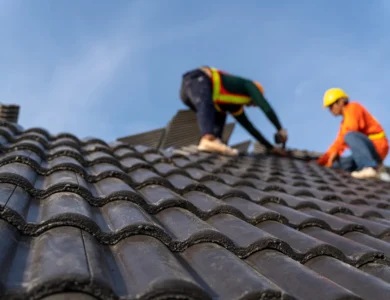
Steel is utilized in multiple sectors. Pressing Steel in automotive production creates body panels, chassis parts, and structural reinforcements. Building construction uses pressed steel for roofing profiles, structural sections, and fasteners. Apart from this, whitegoods manufacturers do so for parts like washing machine drums, oven housings, and refrigerator panels, which are also a form of steel . You see, even the electronics and appliance industries rely on pressing for enclosures and brackets.
Quality Considerations in Pressing
The best results in pressing stainless steel depend on how you choose your material, the design of the die, and press setting parameters. In order to produce high-quality pressing Steel, it’s important that you use the appropriate grades of steel for its application—mild, high-strength, stainless, or coated. To achieve consistent quality of the produced parts, precision has to be maintained in the dies. Most advanced steel pressing operations integrate sensors and monitoring systems to identify defects in real time, ensuring each part meets all specifications or is scrapped. Steel also relies on proper press lubrication and alignment.
Choosing a Steel Partner
When you are looking for pressing service, find an experienced partner with modern equipment and a passion for quality! A good steel pressing service should furnish design assistance, tooling, and inspection services as well. They need to have established experience in your market space and be equipped with the capacity to manage the volumes of production that are appropriate for you. Experts in Pressing Steel — experts who understand material behaviour — recommend practical, economical yet high-quality solutions. Select a partner with ongoing training, technology and improvement practices.