There is a specific kind of decision that someone makes when they book a wellness retreat or commit to a yoga studio membership that is different from almost every other consumer purchase they make. It is a decision made from a place of genuine wanting, wanting to feel better, to slow down, to reconnect with something that the pace of ordinary life has pushed to the margins. The emotional texture of that wanting is delicate and the website that meets it either honors the quality of what the person is reaching toward or it jars against it in ways that send them somewhere else without quite being able to articulate why.
Most wellness retreat and yoga studio websites fall into one of two failure modes. The first is the generic spiritual aesthetic: muted earth tones, stock photos of people in warrior pose against a sunset, language so saturated with words like transformative and sacred and embodied that it has become meaningless through overuse. The second is the over-clinical approach that lists class schedules, instructor certifications, and facility specifications as if choosing a yoga studio is a decision made through comparison of technical specifications rather than through the particular resonance a specific place and practice creates in a specific person.
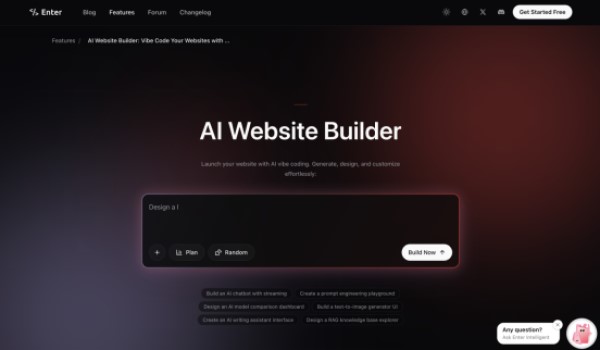
Neither of these approaches honors the actual decision being made and both leave potential students and retreat guests clicking away to find something that feels more like what they are actually looking for. Enter Pro has been practical for wellness businesses building a presence that finds the more difficult middle ground between these failure modes and the structural setup is considerably faster with an AI website generator freeing attention for the genuinely difficult work of communicating something as experiential as a retreat or a yoga practice through a website.
What Someone Booking a Wellness Retreat Is Actually Buying
The person booking a wellness retreat is not buying accommodation, meals, and a yoga schedule. They are buying the experience of those things in a context that has been specifically designed to produce a particular kind of physical and psychological shift. They are buying the possibility of coming back from something changed in a way that their ordinary life does not make room for. They are buying time that belongs entirely to them in an environment that has been thoughtfully constructed to support the kind of attention and stillness that most people cannot access in their daily routine.
That is what is being sold and a website that communicates it clearly, specifically, and honestly does something that a list of program inclusions and facility photographs cannot. It helps the person reading understand whether what this specific retreat offers matches what they are specifically reaching for and that alignment, the sense that this place understands exactly what I need, is the thing that converts interest into booking.
The retreat websites that convert at the highest rates are almost universally the ones that describe the inner experience of attending rather than just the outer features. Not just what is included but what it feels like to arrive, to settle in, to move through the program, to leave. That interior description requires genuine knowledge of what the experience actually produces and the willingness to communicate it in language that is specific and honest rather than aspirational and generic.
Communicating Practice Lineage Without Alienating Beginners
Yoga studios and wellness practitioners almost universally face a version of the same communication challenge. The depth of knowledge and tradition behind a genuine practice is meaningful and worth communicating but the language in which that depth is naturally discussed is inaccessible to the majority of potential students who have no prior exposure to the tradition.
A studio that communicates only at the level of lineage, tradition, and advanced practice loses the beginner who is the largest potential audience for most yoga studios. A studio that communicates only at the beginner level, presenting yoga as a fitness activity with flexibility and stress reduction benefits, undersells the depth of what it offers and attracts students whose relationship with the practice is unlikely to become the kind of committed ongoing engagement that studio memberships depend on.
The studios that build the most stable and engaged student communities are the ones whose website communicates meaningfully to both audiences simultaneously, that welcome the beginner with honesty about the accessibility of entry while also communicating the depth of practice available for those who choose to go further. That layered communication requires genuine care about how the website is written and structured and it is the kind of care that Enter Pro gives studios enough design flexibility to express across different sections of the site without either audience feeling like an afterthought.
Choosing a Platform for Booking-Led Wellness Businesses
Wellness businesses are almost universally booking-led and the platform that handles the booking experience matters as much as the one that handles the marketing and brand communication. Class scheduling that updates in real time and handles waitlists gracefully. Retreat booking that manages deposit payments, balance due dates, and the communication touchpoints between booking and arrival. Membership management that handles different access tiers and recurring billing without creating administrative friction every month.
Before committing to any platform, going through a careful comparison of the best ecommerce website builder options through the specific lens of a wellness business that is primarily selling time and experience rather than physical products reveals which platforms handle the booking and scheduling requirements that wellness businesses depend on as native capabilities rather than third-party integrations. The mismatch between a platform designed for product retail and the booking-led operational model of a yoga studio or wellness retreat creates friction that is felt by every student and guest who tries to book through it and friction in the booking process costs studios students who were already interested enough to look for a class time.
Retreat Photography That Communicates Atmosphere Rather Than Features
The photography on a wellness retreat website is doing a different job from product photography in most other categories. It is not documenting features for comparison purposes. It is conveying atmosphere, the quality of light at a particular time of day, the sense of space and quiet, the particular feeling of being in a place that has been designed for rest and attention. This is genuinely difficult to photograph and most retreat photography fails at it in the same way, filling the frame with beautiful landscapes and immaculate facilities while somehow losing the atmosphere that makes the retreat worth attending.
The retreat photography that converts browsers into bookers captures human moments rather than architectural ones. The student who has clearly been moved by something in a session. The small group at breakfast who have found the kind of easy connection that shared retreat experience creates. The morning light on the meditation space before anyone has arrived. These images communicate the interior quality of the experience in ways that exterior photography of beautiful facilities cannot because they show people inside the experience rather than observers of an environment.
This kind of photography requires a photographer who understands what they are trying to capture rather than one simply documenting a location and the investment in getting it right pays returns over time in conversion rates that compound every time someone lands on the retreat website and immediately feels something about what they are looking at.
Building Community That Extends the Practice Between Sessions
The yoga studios with the lowest churn rates and the strongest word of mouth are almost always the ones that have built genuine community around their practice rather than a customer base around their schedule. The difference is significant and it is visible in how the website is structured and what it communicates about the studio’s relationship with its students.
A website that functions only as a class schedule and booking portal treats students as consumers of a service. A website that also hosts genuine community content, reflections on the practice from teachers, resources that support home practice between classes, student stories that celebrate the different journeys people bring to the mat, and content that keeps the practice alive outside the studio walls, treats students as participants in something that extends beyond the hour they spend in class.
That sense of participation in something larger than a fitness class is exactly what converts a student who bought a ten-class pass into one who has been practicing at the same studio for five years and who genuinely does not consider anywhere else when they think about their yoga practice.
Using AI Tools to Personalize the Retreat Selection Experience
Wellness retreats face a specific challenge in helping potential guests identify which of their programs is the right fit for their particular situation. A person recovering from burnout needs something different from a person building a committed meditation practice needs something different from a person simply wanting a holiday with more intention than usual. Getting the match right between guest and program is good for both the conversion rate and the retreat experience itself.
An app maker AI tool opens possibilities for retreat businesses wanting to build a more personalized selection experience, a guided questionnaire that helps potential guests understand which program matches their current needs and goals, a recommendation engine that surfaces the right retreat at the right moment for someone exploring the options, or a mobile experience that keeps retreat alumni connected to the practice and informed about future programs in a way that feels personal rather than broadly marketed.
Conclusion
Wellness retreats and yoga studios are offering something that a significant and growing number of people genuinely need and are actively seeking. The businesses that consistently connect that offering with the people who need it most are not the ones with the most comprehensive program schedule or the most impressive facility. They are the ones whose website communicates the quality of what they offer with the same care and intention that the offering itself embodies, that meets a person who is reaching toward something with a clarity about what that something actually feels like from the inside. Getting that communication right is not a marketing exercise for a wellness business. It is the first expression of the practice.