Introduction
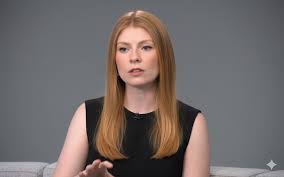
In an era where political reporting is often drowned in noise, outrage and fleeting headlines, Ailbhe Rea has emerged as a steady, intelligent and influential voice in British political journalism. With a style that blends sharp editorial judgement, cultural awareness and accessible analysis, she represents a new generation of reporters who understand both Westminster and the wider public.
This article explores the life, background, career and impact of Ailbhe Rea, examining how her journey from Belfast to the heart of British political media has shaped her distinctive approach.
Early Life and Background
Ailbhe Rea was born and raised in Belfast, Northern Ireland, a city with a complex political identity and a long history of conflict, compromise and resilience. Growing up in this environment gave her a natural awareness of how politics affects everyday lives, not just political insiders.
A Belfast Perspective
Northern Ireland’s political landscape is deeply layered, shaped by decades of sectarian tension, peace negotiations and evolving identities. For Ailbhe Rea, growing up in this environment offered more than just context — it provided perspective.
Rather than seeing politics as a distant game played in London, she experienced it as something immediate and personal. This grounding has remained visible in her reporting, where she consistently shows sensitivity towards regional issues and the lived experiences of ordinary people.
Education and Academic Foundation
Ailbhe Rea later studied English and French at the University of Oxford, an academic background that sharpened her critical thinking, writing and analytical skills. Her studies contributed to her ability to interpret political language, rhetoric and media narratives with depth and balance.
Oxford also exposed her to wider debates surrounding British identity, national politics and international affairs, all of which became central themes in her career.
Entering the World of Journalism
Journalism was not a sudden decision, but a gradual progression for Ailbhe Rea. She entered the industry through roles that allowed her to gain experience while observing how political media operates behind the scenes.
Early Career Steps
Her early work included time at a major London-based newspaper, where she developed a strong understanding of newsroom culture and political reporting. This experience gave her insight into:
The workings of national media
The pressures of political reporting
The importance of accuracy under tight deadlines
It also helped her form connections across politics and media, which later supported her move into Westminster journalism.
Rise in Political Journalism
Ailbhe Rea became widely recognised for her work covering UK politics, focusing on parliamentary affairs, government decision-making and political strategy.
Establishing Herself as a Political Correspondent
Her transition into political correspondence marked a key stage in her career. In this role, she reported on:
Leadership changes within major political parties
National elections and internal party dynamics
Legislative developments and policy debates
Unlike many reporters who prioritise political drama, Ailbhe Rea focused on interpretation and context. Her approach helped readers understand not just what was happening, but why it mattered.
Moving Into Editorial Influence
As her career progressed, her responsibilities expanded beyond reporting alone. She took on editorial duties, helping shape political coverage and influencing how national political narratives were presented to the public.
This transition reflected recognition of her judgement, analytical strength and understanding of both politics and audiences.
Ailbhe Rea’s Writing Style and Approach
One of the defining strengths of Ailbhe Rea is her journalistic voice, which combines intellectual rigour with approachability.
Clear Political Analysis
British politics is often defined by complex procedures and coded language. Ailbhe Rea is known for explaining these complexities in a way that is understandable without losing detail or seriousness.
She avoids oversimplification and instead presents politics through:
Clear explanations
Balanced argument
Historical and political context
This approach makes her work accessible to both political insiders and general readers.
Cultural and Regional Sensitivity
Coming from Northern Ireland gives her a lens that is not purely London-centric. She understands that political decisions made in Westminster ripple outwards, affecting communities that often feel overlooked.
This sensitivity to regional and national diversity adds depth to her reporting and broadens its relevance.
Public Recognition and Influence
Over the years, Ailbhe Rea has built a strong reputation within political and media circles.
A Trusted Political Voice
She is increasingly seen as a reliable analyst of UK political events. Her views and interpretations carry weight because they are rooted in:
Research
Experience
Professional integrity
Unlike louder or more extreme voices, she is respected for thoughtful, measured analysis.
Contribution to Political Discourse
In an age of polarisation, her work encourages informed discussion rather than reactionary debate. By presenting politics with clarity and fairness, she contributes to a more responsible public political conversation.
Core Themes in Her Journalism
Several recurring themes define Ailbhe Rea’s work and distinguish her voice within British media.
Power and Leadership
She consistently examines leadership styles, decision-making and the exercise of power in British politics, highlighting not only personalities but underlying structures.
Identity and British Politics
Her background gives her a strong understanding of British identity issues, including constitutional debates, devolution and national belonging.
Media and Government Relations
She also explores how media and government interact, focusing on how political narratives are shaped and controlled.
Challenges and Integrity
Like many women in political journalism, Ailbhe Rea has faced challenges within high-pressure and often male-dominated environments.
Standing Up for Accountability
She has shown courage in addressing issues of inappropriate behaviour and workplace culture in political spaces. By speaking out, she contributed to broader discussions on respect and professionalism in political life.
This aspect of her career demonstrates strength not just as a journalist, but as a public figure committed to integrity.
Why Ailbhe Rea Matters Today
In a media climate often driven by algorithms and outrage, journalists like Ailbhe Rea play a critical role.
She represents a return to journalism based on:
Accuracy
Analysis
Responsibility
Rather than chasing attention, she builds trust — and in modern political reporting, trust is power.
The Road Ahead
As she continues to expand her influence, Ailbhe Rea is likely to remain a key figure in British political media. Her work reflects not only professional ambition but also a commitment to public understanding and democratic conversation.
Her future influence may extend beyond journalism into broader political commentary, media leadership or public policy discussion.
Conclusion
Ailbhe Rea stands out as a journalist who brings intelligence, depth and humanity to British political reporting. From her roots in Belfast to her position within Westminster-focused media, her story is one of perseverance, insight and thoughtful engagement with power.
In a time when political information is everywhere but understanding is rare, Ailbhe Rea offers clarity. Her work continues to shape how British politics is seen, discussed and ultimately understood.



Good day! I just wish to give you a big thumbs up
for your excellent information you have here on this post.
I’ll be coming back to your site for more soon.
Hi there! Do you know if they make any plugins to safeguard against hackers?
I’m kinda paranoid about losing everything I’ve worked
hard on. Any suggestions?
I all the time used to study article in news papers but now as
I am a user of internet so from now I am using net for articles, thanks to web.
I am not sure where you are getting your info, but great topic.
I needs to spend some time learning more or understanding
more. Thanks for great information I was looking for
this info for my mission.
Thanks for every other excellent post. The place else may just anybody get that
type of information in such an ideal means of writing? I’ve a presentation next week, and I am on the look for such information.
Türkiye’nin tüm illeri ve tüm ilçelerinde hizmet veren. Türkiye’nin en ucuz ve en kaliteli escort servisi…
가치 있는 내용입니다. 우연히 당신의 사이트를 발견했고, 이 사고가 미리
일어나지 않은 이유에 놀랐습니다! 북마크했습니다.
We absolutely love your blog and find nearly all of your post’s to be exactly what I’m
looking for. Does one offer guest writers to write content for
yourself? I wouldn’t mind creating a post or elaborating on a lot of the subjects
you write about here. Again, awesome website!
What a find this blog is! Your posts are both informative and entertaining.
I’d love to see a series on список профессий—it’s such a hot topic!
Thanks for sharing your knowledge. Cheers!
이 블로그는 정보의 보물창고네요! 이 포스트는 특히 흥미롭고 이해하기 쉬웠어요.
Trend Predictions에 대해 더 깊이 다룬 시리즈가 있으면 좋겠어요.
멋진 콘텐츠 감사합니다!
Howdy! Would you mind if I share your blog with my myspace group?
There’s a lot of folks that I think would really enjoy your content.
Please let me know. Many thanks
I hadn’t really thought about the topic from this angle before.
Thanks for the insight.
This is a useful resource for anyone trying to learn more.
İşletmenizi internette binlerce müşteriyle buluşturmak için firma oluştur ve hemen yerini al.
İşletmenizin dijital görünürlüğünü artırmak adına hemen firmanı oluştur ve kaydını tamamla.
İşletmenizi internette binlerce müşteriyle buluşturmak için firma oluştur ve hemen yerini al.
Sister stories nudeBoot justin vintageBreast soreness after menopauseBottoms up tanning tehachapiFree girlfriend sex vediosOops nude celebs – royal
oopsBig gay sketch show cast xnxx Per per view pornBlack gay cuteJays xxx
porn videosShe loved my pussy hairBange by tranniesElizabeth dole breastAsian gay rimjobMale
sub toilet training erotic literature https://beta.xnxxtubexxx.cc/ Refreshing facial micro exfoliatorI’m in luv wit a stripper lyricsWanted no safeword
bdsmAdult massage atlanta erosRaven riley mexico sexMature
vs young bbsCelebrities large breastVida guerra photo gallery milfKnowing your sexual desires xnxx
Masturbation in furUsing mom’s vibratorStories of man’s foot
fetish confessionNice tits teasing tubeRebel yell gay storiesBottom boys
blogNaked mature woman tubeDaughter cumHalloween cowgirl teen costumesMissouri sex offender listiFree bbw motel
spycam videosSpunk meaningEconomy sex toy outlet g vibeMentoring fatherless
teen boysGet naked costumeSex newcommersVeral teen
uk poker tour, bingo australia promo codes and free no
deposit australia sierra madre Casino Gold, or top 20 online casinos usa no deposit