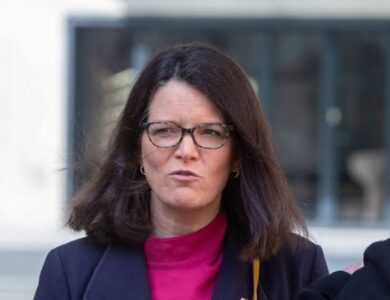
Caroline Flint has been a significant figure in British politics for over two decades. Known for her dedication to public service, her tenure as a Member of Parliament and ministerial roles have left a lasting mark on policy-making in the UK. From her early life experiences to her influential political career and ongoing public service, Flint’s story is one of resilience, determination, and commitment to social progress.
Early Life and Education
Caroline Louise Flint was born on 20 September 1961 in Twickenham, Middlesex. Growing up in a household marked by personal challenges, including her mother’s struggle with alcoholism, Flint experienced firsthand the complexities of social and familial issues. These formative experiences instilled in her a strong sense of empathy and an understanding of the importance of social welfare, shaping her future political motivations.
Flint attended Twickenham Girls’ School, where her academic talents began to flourish. She later went on to Richmond Tertiary College and then the University of East Anglia, earning a Bachelor’s degree in American Literature and History with Film Studies. Her educational background provided her with a broad perspective on social issues and cultural understanding, both of which would play a role in her later political career.
Early Career Before Politics
Before entering the political arena, Caroline Flint accumulated valuable experience in public service and policy development. She worked in local government roles as a policy officer, equal opportunities officer, and welfare and staff development officer. Her involvement in these areas gave her insight into the workings of government and public administration.
In addition, Flint worked for the trade union GMB as a political officer and researcher. This period of her career exposed her to the practicalities of labour representation and the challenges faced by working communities, further solidifying her commitment to social justice and equitable policy-making.
Political Career
Entry into Parliament
Caroline Flint’s political journey began in earnest when she was elected as the Member of Parliament for Don Valley in 1997. Representing a constituency with strong industrial roots, she quickly became known for her dedication to the needs of her constituents and her proactive approach to addressing community concerns.
During her early years in Parliament, Flint focused on issues such as employment, housing, health, and welfare reform. She became a reliable voice for her constituents, advocating for policies that improved social mobility and enhanced public services.
Ministerial Roles
Flint’s capabilities and dedication did not go unnoticed. Over the years, she held several ministerial positions that allowed her to influence national policy significantly.
Parliamentary Under-Secretary of State for Home Affairs
From 2003 to 2005, Flint served as Parliamentary Under-Secretary of State for Home Affairs. In this role, she was involved in legislative development related to public safety, immigration, and law enforcement. Her work demonstrated her ability to manage complex policy areas with sensitivity and effectiveness.
Minister for Employment and Welfare Reform
Between 2005 and 2007, Flint took on the role of Minister for Employment and Welfare Reform. Her efforts were particularly focused on improving employment opportunities and reforming welfare systems to provide better support for vulnerable communities. She worked to ensure that policies addressed both the needs of the unemployed and the broader economic context.
Minister for Housing and Planning
In 2008, Caroline Flint was promoted to Minister for Housing and Planning, a position that gave her access to Cabinet meetings. This role placed her at the centre of crucial discussions regarding housing development, urban planning, and affordable housing initiatives. Her tenure saw a focus on creating sustainable housing policies that balanced community needs with economic growth.
Minister of State for Europe
Later in 2008, Flint was appointed Minister of State for Europe, working within the Foreign and Commonwealth Office. In this capacity, she engaged with European Union policies, international diplomacy, and the implementation of agreements such as the Lisbon Treaty. Her work in this position highlighted her expertise in international relations and European affairs.
Shadow Cabinet Positions
After the Labour Party’s defeat in the 2010 general election, Flint transitioned to the opposition, taking on several roles in the Shadow Cabinet. She served as Shadow Secretary for Communities and Local Government and later as Shadow Secretary for Energy and Climate Change. These roles allowed her to continue influencing policy, particularly in areas related to housing, energy sustainability, and environmental protection.
Flint also ran for Deputy Leader of the Labour Party in 2015, finishing third. Her campaign emphasised social welfare, economic equality, and strengthening public services, reflecting her longstanding commitment to the public good.
Policy Focus and Advocacy
Social Welfare and Public Health
A central theme of Caroline Flint’s career has been her focus on social welfare and public health. Drawing from her personal experiences, she has consistently advocated for policies that support vulnerable populations, improve healthcare access, and promote wellbeing.
Energy and Climate Change
Flint’s work as Shadow Secretary for Energy and Climate Change highlighted her awareness of environmental challenges and the importance of sustainable energy policies. She championed initiatives aimed at reducing carbon emissions, promoting renewable energy, and ensuring energy affordability for all communities.
Housing and Urban Development
Throughout her career, Flint has been a vocal advocate for housing reform. She has emphasised the need for affordable, high-quality housing, and policies that address the housing crisis while supporting community development and urban sustainability.
Later Career and Public Service
After losing her parliamentary seat in the 2019 general election, Caroline Flint continued her commitment to public service through various leadership roles. In 2021, she was appointed Chair of Humber Teaching NHS Foundation Trust, overseeing healthcare services and ensuring that patient care met high standards.
In 2022, Flint became Chair of the Committee on Fuel Poverty, a body focused on developing strategies to reduce fuel poverty and support vulnerable households. These roles demonstrate her ongoing dedication to social welfare and her ability to influence policy beyond the parliamentary arena.
Personal Life and Influence
Caroline Flint’s personal experiences have profoundly influenced her political perspective. Growing up in a challenging environment instilled resilience and empathy, which have shaped her approach to policy-making and advocacy.
Flint’s influence extends beyond her formal roles. She is regarded as a thoughtful commentator on social issues, welfare reform, and public policy. Her career serves as an example of how personal experience, dedication, and expertise can combine to create meaningful impact in public service.
Legacy and Impact
Caroline Flint’s career reflects a deep commitment to improving society through effective governance and compassionate policymaking. Her contributions to social welfare, housing, public health, and environmental policy have left a lasting mark on UK politics.
She exemplifies the qualities of a public servant who not only seeks political advancement but also prioritises the wellbeing of her constituents and the broader community. Her work has inspired future politicians and continues to influence discussions on social justice, public health, and sustainable development.
Conclusion
Caroline Flint’s journey from her early life in Twickenham to influential positions in UK politics is a testament to resilience, dedication, and public service. Her career spans significant ministerial roles, Shadow Cabinet positions, and ongoing contributions to social welfare and public policy.
Through her focus on welfare reform, housing, energy, and health, Flint has demonstrated a consistent commitment to improving the lives of ordinary citizens. Her legacy continues in her current public service roles, ensuring that her influence on policy and social development remains strong.
Caroline Flint remains a prominent figure whose career offers valuable lessons in leadership, empathy, and the importance of dedicated public service. Her story is not only about political achievement but also about using one’s position to make a meaningful difference in society.