A tired dog is a calm dog, and most owners assume the way to get there is a long walk. The walk matters, but it is only half the picture. The other half is the brain. A dog that has chased a ball for an hour comes home physically spent and still mentally restless. A dog that has spent fifteen minutes solving a puzzle comes home satisfied. A balanced routine asks for both.
Dog mental stimulation is the quieter half of dog wellbeing, often missed because it doesn’t look like exercise. The good news is that brain stimulation for dogs takes very little equipment and slots into the day without adding hours. The trick is knowing which activities engage the brain and matching them to the dog.
Why a Bored Dog Becomes a Problem Dog
Dogs were bred to work. Border collies were bred to read sheep at a hundred metres, spaniels to flush birds from cover, and cattle dogs to make split-second decisions around the hooves of a half-tonne animal. Most pet dogs in modern Australian homes have inherited that wiring without inheriting the job. Bored dogs invent their own work. Chewed skirting boards, dug-up garden beds, and fixated barking at the neighbour’s cat, these are not character flaws. They are a working brain looking for a problem to solve.
The cost of that mismatch becomes more visible as the dog ages. A peer-reviewed Australian veterinary study estimates that canine cognitive dysfunction affects 14% to 35% of dogs over eight years old, with signs including disorientation, sleep–wake disturbance, and reduced engagement with familiar people. Regular mental engagement in earlier years is one of the practical things owners can do to keep an older dog’s mind active for longer.
What Actually Counts as Mental Stimulation
Mental stimulation is anything that asks the dog to think rather than simply move. Sniffing is mental work. Problem-solving is mental work. Learning a new cue is mental work. A few categories are worth knowing.
- Scent work is the most underused. Dogs experience the world through their noses, and giving the nose a job is among the most settling activities available. Scatter a handful of kibble in the back lawn and let the dog hunt. Hide a treat under one of three upturned cups and let the dog choose. Tuck a treat inside a folded towel and let the dog unwrap it. Five minutes of nose work tires many dogs more than a twenty-minute walk.
- Food puzzles turn the meal into a task. Slow feeders, treat balls, snuffle mats, and frozen-stuffed Kongs extend a meal from ninety seconds into ten or fifteen minutes of focused thinking. The dog earns the food, which is the pattern wild canines evolved with.
- Training as enrichment is the overlooked one. The American Kennel Club describes training games as some of the most effective brain workouts a dog can get because the dog has to focus, problem-solve, and read the handler at once. Five minutes of teaching a new trick (touch, spin, place, find-it) drains more mental energy than half an hour of fetch. The activity also strengthens the bond between dog and handler.
Dog Walks That Engage the Brain, Not Just the Legs
The everyday dog walk is the single biggest missed opportunity for mental stimulation. A brisk loop around the same block at the same time every day gives the dog physical exercise but little to think about. The route is memorised, the smells are familiar, and the routine is locked.
Three small adjustments change that. Vary the route; even a small change to a different street brings new smells. Slow the pace and let the dog sniff at every interesting post and patch of grass; a sniff walk covers half the distance and does twice the mental work. Build in short pockets of training during the walk: three sits at the corner, a stay at the kerb before crossing, and a heel for the next twenty metres.
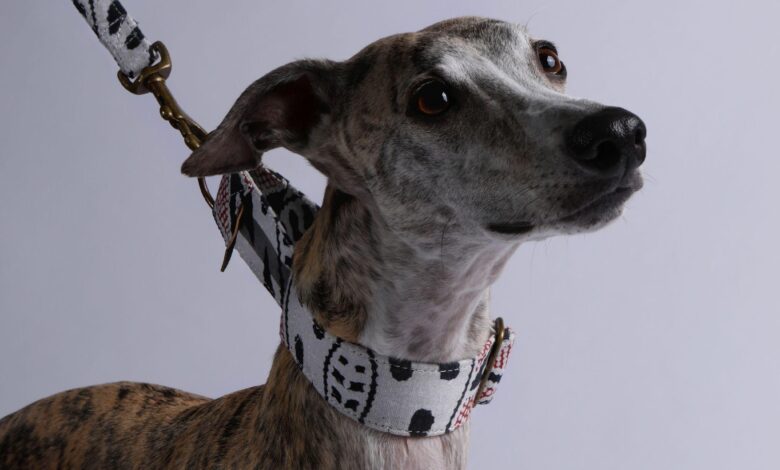
Calm, attentive walking on lead is itself a mental exercise. For dogs that pull, slip the head, or get reactive on lead, training equipment that gives gentle, consistent feedback helps the dog focus on the handler rather than the chaos. Martingale collars tighten just enough to prevent backing out without choking, which suits dogs with narrow heads like greyhounds, whippets, and Italian greyhounds and dogs in training for steady loose-lead walking. The right walking kit doesn’t replace the work. It makes the work possible.
Matching the Stimulation to the Dog
Working breeds need more. A border collie, kelpie, or cattle dog left under-stimulated will invent their own job, and it will not be one the owner enjoys. Two short training sessions a day, plus scent work, plus a varied walk is closer to maintenance than indulgence.
Senior dogs need different stuff. Long sniff walks, gentle puzzles, and short training sessions keep the brain engaged without taxing arthritic joints. Cognitive engagement matters more in senior years, not less.
Puppies need short and frequent sessions. A puppy’s attention runs in minutes. Three five-minute sessions across the day teach more than one twenty-minute drill and protect a young brain from frustration overload.
Building It Into the Week
A workable rhythm for adult Australian dogs looks like a varied morning walk with sniff stops, a midday food puzzle, and a short, focused training session in the evening. None of it takes long. All of it earns back the time in a calmer dog.
For owners building this routine, well-made walking gear that supports calm focus on lead is the detail that makes the bigger goal achievable. The Outback Tails range is designed in Australia from durable materials, carries authentic Indigenous artwork from First Nations artists of the Central Desert, and contributes to causes including Aussie Desert Dogs and the Australian Wildlife Conservancy.
A walk that engages the mind, supports the artist, and gives back to the land is a different proposition to one that just gets the legs moving.
READ ALSO: How Professional Dog Grooming Improves Your Pet’s Lifestyle