Custom Team Apparel in 2026: Why Quality Jerseys and Shirts Define More Than Just a Uniform
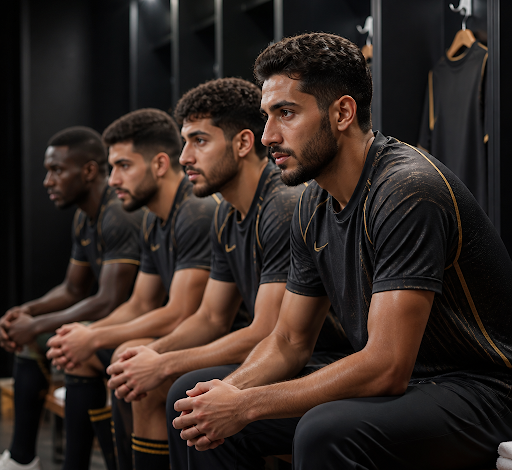
The way teams dress has always communicated something deeper than affiliation. Whether it is a football club, a corporate sports day squad, or a community basketball team, the garments worn on the pitch or court carry identity, pride, and a sense of belonging that extends well beyond the final whistle. In 2026, the demand for high-quality, custom-printed team apparel has never been stronger — and the brands meeting that demand are reshaping what it means to wear a uniform.
The Cultural Weight of What Teams Wear
There is a reason supporters queue for hours to purchase a newly released kit, and why players speak about pulling on a jersey as a moment of genuine emotion. Sportswear has evolved from purely functional fabric into a cultural artefact. The colours, the cut, the badge placement — every detail is deliberate, and every detail matters to the people wearing it.
This cultural significance is not limited to professional sport. Amateur leagues, school teams, corporate tournaments, and charity events all share the same fundamental truth: when a group of people wear matching, well-made apparel, they perform differently. They carry themselves with greater confidence. They feel unified. The psychological impact of a well-designed team shirt is measurable, and coaches, team managers, and event organisers are increasingly aware of it.
As explored in detail when examining why football, soccer, and NBA jerseys have become far more than fan apparel, the modern jersey sits at the intersection of sport, fashion, and personal identity. It is no longer simply something you wear to play — it is something you wear to say who you are.
From the Pitch to the Street: The Crossover of Sportswear and Everyday Fashion
One of the most significant shifts in apparel culture over the past decade has been the blurring of lines between athletic wear and everyday clothing. Jerseys are worn to concerts, to restaurants, and styled with tailored trousers in ways that would have seemed unusual fifteen years ago. This crossover has elevated the standards consumers expect from team apparel — both in terms of design sophistication and fabric quality.
Even in more formal fashion circles, the influence of sportswear is undeniable. Designers and stylists have long acknowledged that the relaxed confidence of athletic silhouettes has permeated mainstream wardrobes. For those curious about how this aesthetic crossover is being interpreted at the higher end of the market, a look at how summer suiting is evolving in contemporary menswear reveals just how much sport-influenced tailoring has entered the mainstream conversation.
This convergence means that teams and organisations commissioning custom apparel are thinking more carefully than ever before. A shirt is not just a shirt. It is a brand statement, a design decision, and a lasting impression.
What Makes Custom Team Apparel Worth the Investment
Fabric and Construction Quality
The difference between a cheap printed t-shirt and a properly manufactured custom garment is immediately apparent the moment you hold one in your hands. Quality team apparel uses breathable, performance-grade fabrics that manage moisture, retain shape after repeated washing, and hold printed or embroidered designs without cracking or fading. For teams that train regularly or compete in multiple events across a season, durability is not a luxury — it is a necessity.
Design Precision and Brand Consistency
Custom team shirts must accurately represent the colours, logos, and typography of the organisation they represent. Colour matching is particularly critical — a shade that is slightly off can undermine the professionalism of an entire kit. The best manufacturers in the custom apparel space use advanced printing techniques, including sublimation and direct-to-garment printing, to ensure that every detail is reproduced faithfully across every size in an order.
Turnaround Time and Reliability
For teams working to a fixture schedule or event deadline, delivery reliability is as important as quality. A beautifully designed shirt that arrives after the tournament has already started is worthless. This is why turnaround time has become one of the primary criteria by which custom apparel suppliers are evaluated.
Fast Shirt Factory: Meeting the Demand for Speed and Quality
When teams and organisations are searching for a supplier that genuinely understands the pressures of deadlines without compromising on the quality of the finished product, Fast Shirt Factory has established itself as a trusted name in the custom apparel market. Combining rapid production capabilities with a commitment to print quality and fabric standards, the brand serves everyone from grassroots sports clubs to corporate clients who need branded shirts delivered on time and to specification. The ability to handle bulk orders efficiently while maintaining consistency across every garment in a run is what separates a reliable supplier from a frustrating one — and it is precisely this reliability that has built Fast Shirt Factory’s reputation.
The Broader Ecosystem of Team Identity
Custom apparel does not exist in isolation. It is part of a broader ecosystem of team identity that includes training gear, warm-up kits, supporter merchandise, and even the way a club presents itself on social media. Organisations that invest thoughtfully in their visual identity — starting with the shirts their players wear — tend to attract more members, more sponsors, and more community engagement.
This is particularly true for youth sports organisations, where the quality of a team’s kit can influence whether a young player feels proud to represent their club or embarrassed by it. The psychological dimension of wearing a well-made, properly fitted shirt with a clearly printed badge is something that coaches and administrators are increasingly factoring into their budgeting decisions.
Sustainability and Ethical Production in Custom Apparel
As awareness of environmental and ethical issues in the fashion industry has grown, teams and organisations are beginning to ask harder questions of their apparel suppliers. Where are the garments manufactured? What materials are used? Are the workers producing them paid fairly and working in safe conditions? These are no longer niche concerns — they are mainstream considerations that influence purchasing decisions at every level of the market.
Suppliers who can demonstrate transparency in their supply chains and offer sustainable fabric options are increasingly preferred, particularly by schools, universities, and organisations with formal ethical procurement policies. The custom apparel market is adapting to this shift, and the brands that lead on sustainability will be the ones that define the next decade of the industry.
Conclusion: The Shirt as a Statement
In 2026, the custom team shirt is many things simultaneously: a functional garment, a design object, a cultural statement, and a commercial product. The organisations that understand this complexity — and partner with suppliers who share that understanding — are the ones that will build the strongest team identities, the most loyal communities, and the most lasting impressions. Whether you are outfitting a five-a-side team or a national-level squad, the quality of what your players wear reflects the quality of everything you stand for.
READ ALSO: Why Are jersey futbol soccer and nba jerseys More Than Just Fan Apparel in 2026?