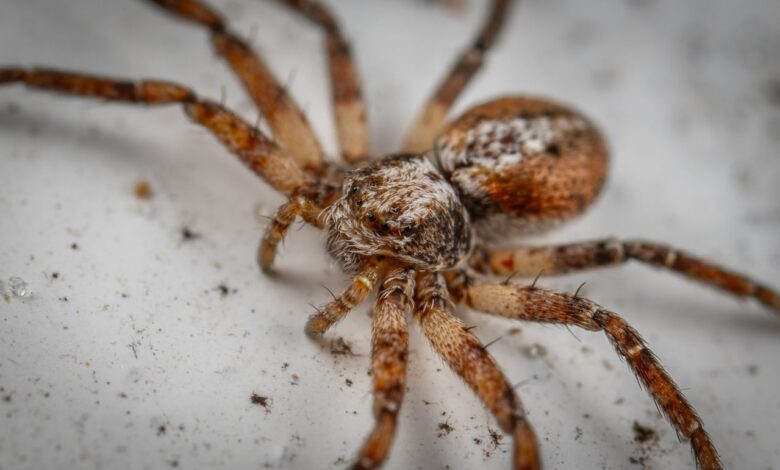
Spiders rank among the most common household visitors across North America, and they tend to provoke some pretty strong reactions from homeowners. Most people instinctively fear all spiders, but the reality is that the vast majority of species are completely harmless and actually benefit your home by keeping other insect populations in check. That said, a small number of species do pose genuine health risks, which makes it worth knowing what you are actually dealing with when you spot one lurking in the corner. Learning to distinguish between passive and potentially dangerous spiders can help you respond appropriately and keep your household safe.
Understanding Spider Behavior and Why It Matters
Most spiders are naturally reclusive creatures that would rather avoid human contact altogether. They build webs or burrow into quiet, undisturbed spaces because they are hunting insects, not looking for a confrontation with the people living nearby. Passive spiders will almost always flee when approached, only biting when they feel directly threatened or completely cornered. Understanding this default behavior helps put most spider encounters into a much calmer perspective. If a spider holds its ground rather than retreating when approached, that behavioral detail alone is worth paying attention to.
Common Passive Spiders You Are Likely to Encounter
The good news is that the vast majority of spiders found in and around homes are harmless species that pose little to no real threat. Cellar spiders, commonly called daddy long-legs, are frequently spotted in corners and basements and are entirely non-threatening to humans. Wolf spiders can look intimidating given their size and ground-hunting habits, but their bites are rarely worse than a mild irritation. Orb weavers, those large spiders famous for their beautifully symmetrical webs, are docile and genuinely beneficial garden residents. Being able to identify these common species can save you a lot of unnecessary alarm and help you avoid disturbing spiders that are quietly working in your favor.
How to Identify Genuinely Dangerous Spiders
Two spider species in the United States deserve special attention because of their medically significant venom: the black widow and the brown recluse. The black widow is fairly easy to recognize, with its shiny black body and the distinctive red hourglass marking on the underside of its abdomen. Brown recluse spiders are trickier to pin down since they are small and brown, but they typically carry a dark, violin-shaped marking on their back and have six eyes arranged in pairs rather than the standard eight-eye configuration. Both species tend to hide in dark, undisturbed areas like woodpiles, storage boxes, and cluttered garages. Homeowners dealing with recurring infestations who need professional spider control in Charlotte, NC, can rely on trained technicians to accurately identify and safely eliminate these high-risk species before bites ever occur.
Physical Characteristics That Set Species Apart
Beyond the iconic markings of the most dangerous species, several physical characteristics can help you sort passive spiders from genuinely risky ones. Body shape plays a significant role here: dangerous spiders often have compact, rounded abdomens, while many harmless species sport elongated or more irregular body shapes. Eye arrangement is another underappreciated identifier, since the number and pattern of a spider’s eyes differ meaningfully from one species to the next. Leg thickness and length relative to body size can also offer helpful clues, as long-legged species are far more commonly harmless. Keeping a field guide handy or downloading a reputable identification app on your phone can make these on-the-spot comparisons much easier to manage.
When to Seek Professional Help
There are situations where a do-it-yourself approach to spider identification and removal simply falls short. If you are consistently finding spiders in living areas, noticing egg sacs tucked into hidden spaces, or discovering webs that match descriptions of dangerous species, it is time to bring in an expert. Professional pest control technicians have the training and tools to accurately identify species, assess infestation levels, and apply targeted treatments safely and effectively. Attempting to remove potentially venomous spiders without experience can actually increase your risk of bites and injury. When the stakes are this high, acting quickly and consulting a professional is always the smartest and safest move.
Conclusion
Knowing the difference between passive and dangerous spiders is a genuinely useful skill that can protect your family and reduce a lot of unnecessary anxiety around these widely misunderstood creatures. Most spiders you encounter are harmless neighbors quietly doing their part to keep pest populations in check. A few species, though, warrant real caution, and recognizing their key identifiers puts you in a much stronger position to respond wisely. When in doubt, always prioritize your safety and reach out to a qualified pest control professional for a thorough and accurate assessment.
READ ALSO: San Diego Climate: How to Prepare for California Fires