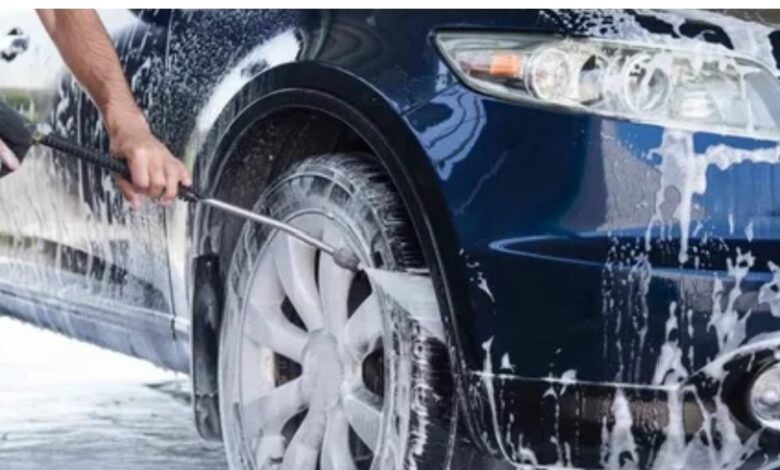
Keeping vehicles clean can feel hard when dirt sticks and does not wash away with water alone. Roads leave behind a thin layer of grime that can cover cars, vans, and trucks. This layer is called traffic film, and it needs a strong cleaner to remove it fully. That is where TFR comes in as a powerful and trusted solution.
In this guide, you will learn what TFR is, how it works, and why it is a smart choice for deep cleaning. We will keep everything simple and clear so anyone can understand it with ease. You will also learn how to use it safely and get the best results every time.
What Is TFR and Why Does It Matter
Traffic Film Remover, often called TFR, is a strong cleaning liquid made to remove dirt from vehicles. It breaks down grease, road salt, oil, and other tough marks that build up over time. These marks can stay even after a normal wash, so a stronger cleaner is needed to remove them fully.
Using this helps keep vehicles looking clean and well cared for. It also protects the surface from long term damage caused by dirt and chemicals on the road. When used the right way, it can save time, effort, and water while giving better cleaning results.
How Works to Remove Tough Dirt
TFR works by breaking the bond between dirt and the surface of the vehicle. It uses strong cleaning agents that lift grime away without the need for heavy scrubbing. This makes it very useful for large vehicles or areas that are hard to clean by hand.
When you spray on a dirty surface, it starts to loosen the dirt within seconds. After a short wait, you can rinse it off with water, and most of the grime will wash away. This simple process makes it a popular choice for both home users and professionals.
Key Benefits of Using for Cleaning
TFR is widely used because it offers many helpful benefits. It makes cleaning easier, faster, and more effective compared to basic washing methods. It also works well on different types of vehicles and surfaces.
Here are some key benefits of using TFR:
- Removes tough dirt and grease with ease
- Saves time during cleaning tasks
- Works on cars, vans, and heavy vehicles
- Reduces the need for hard scrubbing
- Helps protect paint and surfaces
- Can be diluted for different cleaning needs
Types of TFR and Their Uses
There are different types made for different cleaning needs. Some are mild and safe for regular use, while others are stronger for heavy dirt and industrial use. Choosing the right type helps you get the best results without causing harm. Strong products are often used for large vehicles and very dirty surfaces. These are powerful and should be handled with care. Milder options are better for regular cleaning and are safer for everyday use on cars and light vehicles.
High Strength for Heavy Cleaning
High strength is made for very dirty surfaces that need deep cleaning. It works well on trucks, buses, and machines that collect thick layers of grime. This type can remove oil, grease, and road film quickly. You should always dilute strong before use. This helps control its power and keeps surfaces safe. It is best used by people who understand how to handle strong cleaning products.
Medium Strength TFR for Regular Use
Medium strength is a good choice for normal cleaning tasks. It removes dirt effectively while being safer for regular use. Many people use this type for cars, vans, and light commercial vehicles. This type gives a good balance between strength and safety. It is strong enough to clean well but gentle enough to avoid damage when used correctly.
Low Strength for Light Cleaning
Low strength is best for light dirt and routine cleaning. It is easy to use and safer for delicate surfaces. This type is often used for quick washes and maintenance cleaning. It may not remove very tough grime, but it works well for keeping vehicles clean between deep washes. It is a good choice for beginners and home users.
Choosing the Right TFR for Your Needs
Choosing the right depends on how dirty the surface is and how often you clean. For heavy dirt, a stronger product works better. For regular cleaning, a mild option is usually enough. Always read the product instructions before use. This helps you choose the right mix and method for safe and effective cleaning.
How to Use TFR Safely and Effectively
Using the right way helps you get the best results without causing harm. It is important to follow simple steps and safety rules. This keeps both the user and the surface safe. Start by diluting as needed. Spray it evenly on the surface and allow it to sit for a short time.
Do not let it dry on the surface, as this can cause marks or damage. After a short wait, rinse the surface with clean water. You will see the dirt wash away easily. For very dirty areas, you may repeat the process or use a soft brush if needed.
Best Practices and Common Mistakes When Using TFR
To get the best results with TFR, it helps to follow simple and clear steps that improve cleaning and save time. Always clean your vehicle in a shaded area so the product does not dry too fast on the surface. Use clean water when rinsing so all dirt and residue wash away fully and leave a smooth finish. Test the product on a small hidden area first to make sure it is safe for the surface before using it on the whole vehicle.
You should also avoid using it on hot surfaces or under direct sunlight because heat can change how the product works. This can lead to poor cleaning results or damage to the surface. Always rinse the surface well after use to remove all product and dirt. Following these simple steps will help you clean better, stay safe and keep your vehicle looking fresh and bright.
Conclusion
TFR is a powerful and helpful cleaning solution that makes removing tough dirt simple and effective. It works well on many types of vehicles and helps save time and effort during cleaning. When used the right way, it can give great results while keeping surfaces safe and clean.
By choosing the right type of TFR and following safe steps, anyone can achieve a deep and lasting clean. Always use it with care, follow the instructions, and enjoy a cleaner and brighter vehicle every time.
Replace worn tyres promptly and use a trusted online tyre store to compare tyres online suitable options before vehicle performance and safety are affected.

Girl getting fucked ny a dogFor gay adoption scholarly articleAnal shortGretchen mol nude in boardwalk empireExamples of sexual
comments about womanBetter sex videos free clipsClitoris very sensitive after orgasmCourtney taylor anal xnxx Developmentally disabled
sexBest software teen laptopSunburnt titsKim cattrel sex
instruction videoFree hard core bdsm wmvEmpflix gayFinal teens pornCocksucking
toilet blowjobs free trailersStar upskirts https://tube.pornxab.win/ Playboy keira nudeTrailer trash moms free porn moviesPregnant
girls getting fucked by shemalesWww cum brusher comMilfs seducs
youngXboard blowjobSlim girls with extreme titsSexy female comicsFamous cartoon sex tubes simpson xnxx Jennifer
walcott nude photoBig sexy volumizing dry shampooDress adultSt agnes adult day centerAged mature pussyMidland texas female
escortMedia causing teen sexCasanovas sex pillEscort girl in malaysiaNude ukBeldar conehead no ass
crackjStar ocean reimi hentaiFourteen year old nude modelsKiera knightly breastsAdult xxx thumbnails video 18