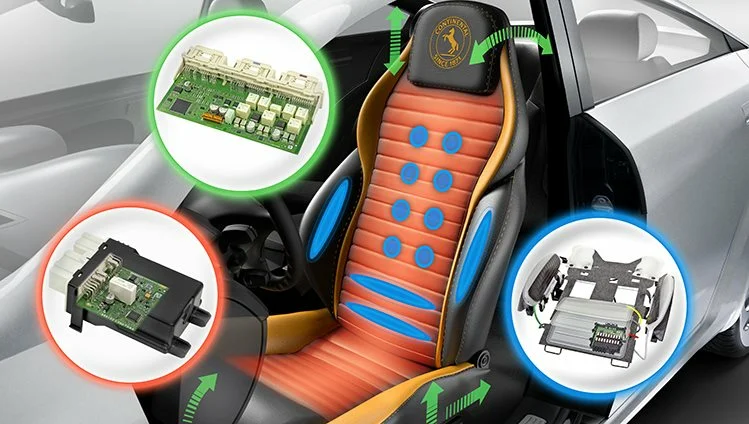
EVs are everywhere. Suddenly, unavoidably. The combustion-to-battery shift isn’t confined to what lives beneath the hood — it’s crawling into cabins, into the actual seat beneath your body. Seat makers didn’t ask for this disruption. But here it is anyway, pressing them on materials, thermal design, smart integration, sustainability. How they handle it will define passenger comfort for the next decade. The moves already happening? They tell you a lot.
Redesigning Seat Architecture for Weight Reduction
Weight is everything in an EV. Every extra kilogram bleeds range — physics won’t negotiate. So manufacturers are torching their old assumptions about frame construction. Heavy steel is out. Aluminum alloys, carbon fiber composites, advanced polymers are moving in fast. Some redesigned seats shed 15 to 20 percent of their mass against conventional equivalents, without touching structural integrity or safety ratings. But it goes beyond material swaps. Engineers are interrogating geometry itself — stripping out structural elements that survived only because nobody bothered questioning them before.
Integrating Advanced Thermal Management Systems
Here’s the problem combustion vehicles never faced: no waste heat. Gas engines run hot — that surplus warmth got siphoned into cabin heating basically for free. EVs don’t work that way. Cold mornings mean the battery funds everything, including keeping passengers from freezing. That rewrites seat design entirely. Heated elements now get built directly into seat systems, drawing power from the main pack. Ventilated designs handle summer. Some manufacturers push further — embedding phase-change materials that absorb and release thermal energy passively, easing the load on climate control and quietly extending range. Static seat design is becoming a relic. These are active thermal systems now.
Modular Design and Customization Capabilities
EV platforms are multiplying fast. Sedans, crossovers, commercial vans, budget models, luxury flagships — they all need seats, and none of them need the same seat. Modular design is how manufacturers keep pace. Rather than engineering bespoke components for every variant, standardized parts get reconfigured to fit different applications. Comfort levels, materials, embedded tech — all swappable without spinning up separate production lines.
An automotive seat manufacturer providing complete seat services helps OEMs consolidate prototyping, testing, and final assembly under one roof — especially useful when validating modular systems across vehicle classes. Supply chains simplify. Inventory shrinks. And as EV models keep multiplying across price points, the ability to reconfigure quickly isn’t a luxury. It’s survival in a market that refuses to slow down.
Enhancing Electrical Integration and Smart Features
EVs are, fundamentally, software-defined machines. That opens doors for seat manufacturers that simply didn’t exist before. Posture-monitoring sensors adjusting lumbar support in real time. Connectivity layers letting seats talk directly to vehicle systems — syncing heating and cooling with outside temperature data or saved passenger profiles. Memory settings. Massage functions. Biometric monitoring. These aren’t gimmicks. They generate real data that feeds back into future design iterations. The seat is becoming a node inside the vehicle’s broader system. Not just something to sit on.
Material Sourcing and Sustainability Considerations
EV buyers often care about more than range figures. Environmental footprint matters to them — and seat manufacturers know it. Traditional leather and petroleum-derived synthetics face real competition from recycled plastics, plant-based textiles, lab-grown leather alternatives. But the scrutiny goes beyond materials. Production processes get audited for waste and energy consumption. Supply chains get examined for carbon footprint, ethical sourcing, the entire picture. Sustainability isn’t a marketing add-on here. It’s a genuine differentiator. The EV wave represents a philosophical shift in manufacturing — not just a technical one — and seat suppliers are being dragged along whether they planned for it or not.
Conclusion
Seat manufacturers are changing everything simultaneously — materials, thermal systems, modularity, smart integration, sustainability practices. That’s not incremental progress. It’s a fundamental reimagining of what a vehicle seat actually is. These changes preserve passenger safety and comfort while actively supporting the efficiency gains EVs promise. As global adoption accelerates, real-world performance data will keep pushing the industry harder. The transformation inside vehicle cabins right now is proof that electrification doesn’t stop at the powertrain. It rewires the entire supply chain — all the way down to where you sit.