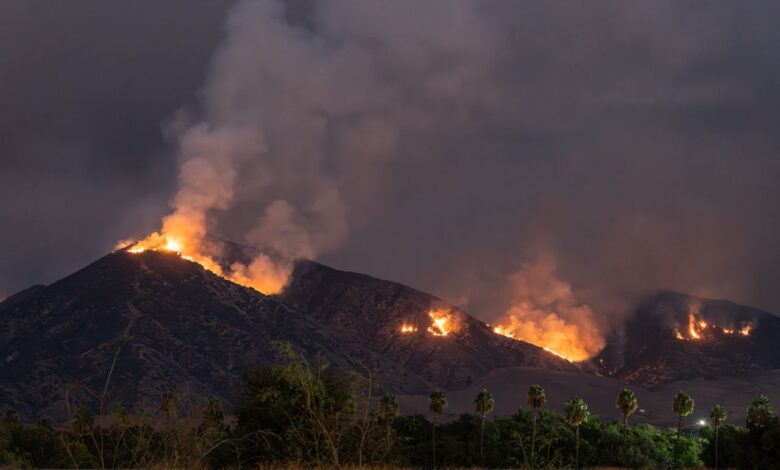
San Diego’s warm, dry climate makes it a beautiful place to live most of the year, but it also puts the region squarely in the path of wildfire risk, especially during the late summer and fall months when Santa Ana winds pick up. Between low humidity, dense brush in surrounding canyons, and the occasional extreme heat wave, conditions can shift from calm to dangerous fairly quickly. Preparing ahead of time, rather than scrambling once a fire is already threatening your area, makes a meaningful difference in how safely and smoothly you’re able to respond. Here’s what San Diego residents should know to stay ready.
Understanding San Diego’s Fire Risk Season
Wildfire risk in San Diego isn’t spread evenly throughout the year, it tends to spike sharply during Santa Ana wind events, typically between September and December. These winds bring extremely low humidity and high, erratic gusts that can push a small spark into a fast moving fire within minutes. Areas near canyons, brush covered hillsides, and the urban wildland interface face the highest risk, though strong winds can carry embers well beyond the immediate fire zone. Knowing when your specific neighborhood tends to face elevated risk allows you to stay more alert during the months that matter most, rather than treating every season with equal urgency.
Creating Defensible Space Around Your Home
One of the most effective steps homeowners can take is creating defensible space, a buffer zone around the home that’s been cleared of excess vegetation and flammable debris. California requires at least one hundred feet of defensible space in high risk areas, broken into zones with different maintenance requirements closer to and further from the structure. This includes trimming dry brush, removing dead leaves from gutters, and keeping tree branches away from the roofline. Defensible space doesn’t guarantee a home will survive a fire, but it significantly improves the odds and gives firefighters a safer area to work from if they need to defend the property.
Preparing Your Home’s Structural Defenses
Beyond landscaping, the materials and features of a home itself play a major role in how well it holds up against wildfire exposure, particularly from wind driven embers that can travel far ahead of the main fire line. Installing ember resistant vents, using fire resistant roofing materials, and sealing gaps around windows and doors all reduce the chances of embers finding their way into a structure. Many homes also benefit from having a properly maintained fire alarm systems setup that can provide early warning if smoke or heat reaches the property, giving residents crucial extra minutes to evacuate safely. These structural upgrades can be a significant investment, but they consistently prove worthwhile in high risk areas.
Building an Evacuation Plan Before You Need One
Waiting until a fire is already nearby to figure out an evacuation plan is one of the most common and dangerous mistakes people make. An effective plan includes multiple possible evacuation routes, since a single route can quickly become blocked or unsafe depending on where a fire is spreading. It’s also worth identifying a few different meeting points and communication methods in case family members are separated when an evacuation order comes through. Practicing this plan periodically, rather than just writing it down and forgetting about it, helps ensure everyone actually knows what to do when time is limited and stress is high.
Packing a Go Bag and Staying Informed
A ready to go emergency kit, often called a go bag, should include essentials like medications, important documents, a change of clothes, water, and basic supplies that would be difficult to gather quickly under pressure. Keeping this bag accessible year round, rather than assuming you’ll have time to pack once a fire starts, removes one major source of stress during an actual evacuation. Staying informed through official emergency alert systems, local news, and county evacuation notices also matters significantly, since conditions during a fast moving wildfire can change within minutes rather than hours.
Final Thoughts
Wildfire risk is simply part of life in San Diego, but that doesn’t mean residents are powerless against it. Understanding seasonal risk patterns, maintaining defensible space, reinforcing a home’s structural defenses, and having a clear evacuation plan in place all work together to significantly improve safety when fire conditions do arise. Taking these steps well before fire season starts, rather than scrambling in the moment, is ultimately what makes the biggest difference when it counts.
READ ALSO: The Most Common OSHA Violations Contractors Should Avoid