Choosing the right lawn can shape the way your whole garden looks, feels, and functions. For some homeowners, natural grass still feels like the traditional choice. For others, artificial grass offers a more practical and reliable alternative. The right option depends on how you use your outdoor space, how much maintenance you are willing to handle, and what matters most to you over the long term.
There is no single answer that fits every home. Both surfaces have their strengths, but they create very different day to day experiences. One offers a natural growing lawn that changes with the seasons. The other provides a more controlled finish that stays neat with far less effort. Understanding those differences makes it easier to decide which one suits your garden best.
For homeowners exploring Artificial Grass Peterborough, the comparison often starts with one simple question: is it better to keep managing a natural lawn, or switch to something that is easier to maintain?
Appearance Through the Seasons
One of the biggest differences between artificial grass and real grass is how the lawn looks throughout the year. Natural grass can look beautiful when it is healthy, freshly cut, and well cared for. The challenge is that it does not always stay that way. Rain, shade, heavy use, dry spells, and colder weather can all affect its appearance.
Artificial grass offers a more consistent look. It stays green and tidy regardless of the season, which is one of the main reasons many homeowners prefer it. Instead of dealing with patchy areas, muddy sections, or faded spots, they get a lawn that keeps a cleaner visual finish all year.
For people who want a garden that always looks presentable without constant effort, artificial grass often has the advantage in this area.
Maintenance and Upkeep
Maintenance is where the difference becomes even more noticeable. Real grass needs regular care to stay in good shape. Mowing, edging, watering, feeding, reseeding, and treating weeds all become part of the routine. In some gardens, this can feel manageable. In others, it quickly becomes a repeated chore that takes up time and energy.
Artificial grass reduces that workload significantly. It does not need mowing or watering to keep its appearance, and it is much less affected by the issues that cause natural lawns to become untidy. Occasional brushing and basic cleaning are still needed, but the overall level of upkeep is much lighter.
For busy households, that practical benefit can make a major difference. A garden that needs less work is often easier to enjoy.
Performance in Everyday Use
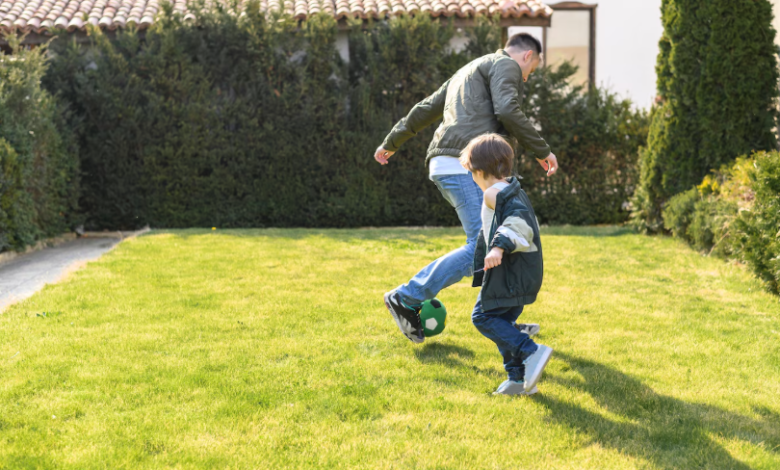
How a lawn performs in daily life matters just as much as how it looks. Real grass can work well in gardens that are lightly used and regularly maintained, but it tends to struggle when there is heavy foot traffic, pets, or children playing in the same areas over and over again. Those spots often become worn, uneven, or muddy.
Artificial grass usually handles that pressure better. It provides a more durable surface that stays consistent under regular use, which can be especially helpful in family gardens. Instead of worrying about damage after every period of bad weather or busy weekend outdoors, homeowners get a lawn that remains more stable.
For families comparing Artificial Grass Stevenage options, this kind of reliability is often one of the strongest reasons artificial grass feels like the better choice.
Cleanliness and Mud
One of the less obvious but very important differences is how clean the garden stays. Natural grass can become messy quickly, especially during wetter months. Muddy patches near doors, pet areas, or walkways often lead to extra mess being carried into the home.
Artificial grass helps reduce that issue because it does not turn into mud in the same way. That makes the garden easier to live with and often helps keep the indoor space cleaner too. For homeowners with children or dogs, this everyday convenience can be a major advantage.
A garden that creates less mess is usually a garden that feels easier to use more often.
Cost and Long Term Value
Natural grass often appears cheaper at the beginning because the initial installation cost is usually lower. But over time, the expense of lawn care equipment, watering, treatments, seed, and ongoing maintenance can build up. There is also the cost of time, which many homeowners start to value more as the years go on.
Artificial grass generally costs more upfront, particularly when it is installed professionally. However, it can offer better long term convenience by reducing many of those recurring maintenance demands. For some households, that makes it feel like better value over time, even if the starting cost is higher.
The real question is not only which option costs less at the beginning, but which one gives you the kind of garden you actually want to live with.
Suitability for Different Gardens
Not every garden is naturally suited to real grass. Shade, poor drainage, awkward layouts, and heavy use can all make it difficult for a natural lawn to stay healthy. In these cases, homeowners often find themselves putting in repeated effort without ever getting the result they want.
Artificial grass can be a more practical answer when the conditions are working against a real lawn. It offers a way to create a finished green space even in gardens that struggle to support healthy grass growth. That can make it a much better option in properties where the lawn has already been a source of frustration.
If a garden has ongoing problem areas, artificial grass often provides the simpler and more dependable solution.
Feel and Traditional Appeal
Real grass still has one quality that many people value very highly, which is its natural character. Some homeowners simply prefer the feel, smell, and seasonal change of a living lawn. They enjoy the traditional look and do not mind the effort needed to keep it in shape.
Artificial grass, on the other hand, is usually chosen for practicality, consistency, and ease. It may not offer the same natural growing experience, but it does provide a cleaner and more controlled result that fits the needs of many modern homes.
This part of the decision often comes down to priorities. If you enjoy maintaining a living lawn, real grass may still feel like the right fit. If you want a garden that looks neat with far less work, artificial grass is often the stronger option.
Which One Is Better?
The better choice depends on what you want from your garden. If your priority is a traditional lawn and you do not mind the upkeep, real grass may still suit you well. But if you want a surface that stays tidy, handles regular use better, and requires much less maintenance, artificial grass is often the more practical option.
For many homeowners, the decision comes down to convenience. A lawn that looks good without constant work can make the whole outdoor space feel more enjoyable and easier to manage.
Final Thoughts
Artificial grass and real grass each offer different benefits, but they serve different lifestyles. Real grass can be attractive and natural, but it also demands regular care and can be affected heavily by weather and wear. Artificial grass offers a more consistent appearance, less maintenance, and a cleaner, more durable surface for everyday garden use.
The best choice is the one that matches how you actually live. If you want a garden that stays presentable with less time, less mess, and fewer ongoing lawn problems, artificial grass is often the better fit for modern home life.