Business Computing World: A Complete Guide to Enterprise Technology, Digital Transformation and Modern IT Innovation
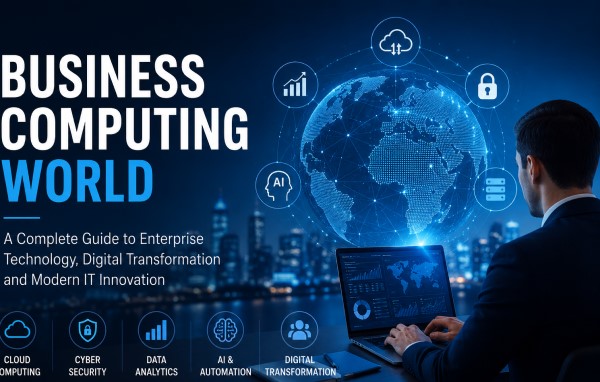
Table of Contents
ToggleIntroduction to Business Computing World
Business Computing World is a term widely associated with the evolving landscape of enterprise technology, where computing systems, software solutions and digital infrastructure come together to support modern organisations. In today’s competitive digital economy, businesses rely heavily on computing technologies to operate efficiently, make informed decisions and remain secure in an increasingly complex cyber environment.
The concept of Business Computing World is not limited to a single platform or publication; rather, it represents a broader ecosystem of information technology, enterprise computing, cloud services, artificial intelligence, cybersecurity and digital transformation strategies that shape how organisations function.
As companies continue to adopt advanced technologies, Business Computing World has become a key reference point for understanding how computing solutions influence productivity, innovation and long-term business success.
The Meaning and Scope of Business Computing World
What Business Computing World Represents
Business Computing World refers to the interconnected environment where business operations and computing technologies merge. It covers everything from software applications used in offices to large-scale cloud infrastructures that power global enterprises.
This concept includes:
- Enterprise software systems
- Cloud computing platforms
- Data analytics and business intelligence tools
- Cybersecurity frameworks
- Artificial intelligence and automation technologies
- IT infrastructure and network systems
In simple terms, Business Computing World represents the digital backbone of modern business operations.
Why It Matters in Modern Business
In the modern era, organisations cannot function effectively without strong computing systems. Business Computing World highlights how digital tools have become essential for decision-making, communication, customer service and operational efficiency.
Companies that fail to adapt to this computing-driven environment often struggle to remain competitive. On the other hand, businesses that embrace these technologies benefit from improved productivity, reduced costs and enhanced innovation.
The Evolution of Business Computing World
Early Stages of Business Computing
The journey of Business Computing World began with basic computer systems used for accounting, data entry and record-keeping. These early systems were limited in capability but laid the foundation for modern enterprise computing.
During this period, businesses primarily used standalone machines with minimal connectivity. Data was stored locally, and manual processes were still widely used.
The Rise of Networked Systems
As technology advanced, organisations began connecting computers through local networks. This allowed departments to share information more efficiently and improved internal communication.
The introduction of enterprise resource planning systems marked a major milestone in Business Computing World, enabling organisations to integrate multiple business functions into a single system.
The Cloud Computing Revolution
One of the most significant transformations in Business Computing World has been the rise of cloud computing. Businesses no longer need to rely entirely on physical infrastructure, as cloud platforms offer scalable, flexible and cost-effective solutions.
Cloud computing has enabled companies to:
- Store and access data remotely
- Scale operations quickly
- Reduce IT maintenance costs
- Improve collaboration across global teams
This shift has completely reshaped how organisations approach digital infrastructure.
Core Components of Business Computing World
Enterprise Software Systems
Enterprise software forms the foundation of Business Computing World. These systems help organisations manage core operations such as finance, human resources, supply chain and customer relations.
Examples include customer relationship management systems and enterprise resource planning tools that streamline business processes.
Data Analytics and Business Intelligence
Data has become one of the most valuable assets in modern business. Business Computing World heavily relies on analytics tools that help organisations interpret large volumes of data.
Through business intelligence systems, companies can:
- Identify market trends
- Understand customer behaviour
- Improve decision-making
- Predict future outcomes
This data-driven approach enhances strategic planning and operational efficiency.
Cybersecurity and Risk Management
As businesses become more digital, cybersecurity has become a critical part of Business Computing World. Organisations face increasing threats from cyberattacks, data breaches and ransomware.
To protect sensitive information, companies invest in:
- Firewalls and encryption systems
- Identity management tools
- Security monitoring platforms
- Risk assessment frameworks
Strong cybersecurity measures ensure business continuity and customer trust.
Artificial Intelligence and Automation
Artificial intelligence is transforming Business Computing World by automating tasks and improving decision-making processes. AI-powered systems can analyse data, predict outcomes and perform complex tasks with minimal human intervention.
Automation helps businesses reduce manual workload, improve accuracy and increase efficiency across various departments.
The Importance of Business Computing World in Modern Organisations
Enhancing Operational Efficiency
One of the primary benefits of Business Computing World is improved efficiency. Digital systems streamline workflows, reduce duplication of tasks and allow employees to focus on higher-value activities.
Supporting Strategic Decision-Making
With access to real-time data and advanced analytics, businesses can make better strategic decisions. Business Computing World enables leaders to respond quickly to market changes and customer demands.
Improving Customer Experience
Modern customers expect fast, reliable and personalised services. Computing technologies help businesses meet these expectations through automated support systems, personalised marketing and efficient service delivery.
Enabling Remote Work and Global Collaboration
The rise of digital tools and cloud platforms has made remote work more accessible than ever. Business Computing World supports global collaboration by allowing teams to work together from different locations seamlessly.
Challenges in Business Computing World
Cybersecurity Threats
As reliance on digital systems increases, so does exposure to cyber threats. Businesses must continuously update their security systems to protect against evolving risks.
Rapid Technological Change
Technology evolves quickly, and organisations often struggle to keep up with new developments. This requires continuous investment in training and infrastructure upgrades.
Data Privacy Concerns
With increasing data collection, businesses must ensure compliance with privacy regulations and protect user information responsibly.
The Future of Business Computing World
Greater Adoption of Artificial Intelligence
The future of Business Computing World will be heavily influenced by AI-driven technologies. Businesses will increasingly rely on intelligent systems for automation, analytics and customer engagement.
Expansion of Cloud Ecosystems
Cloud computing will continue to grow, offering more advanced services and greater flexibility for businesses of all sizes.
Integration of Advanced Technologies
Technologies such as blockchain, quantum computing and edge computing are expected to become more prominent, further transforming the Business Computing World landscape.
Increased Focus on Sustainability
Future computing systems will also focus on energy efficiency and sustainable digital practices, helping organisations reduce their environmental impact.
Conclusion
Business Computing World represents the foundation of modern digital enterprise. It encompasses the technologies, systems and strategies that drive today’s business operations, from cloud computing and artificial intelligence to cybersecurity and data analytics.
As organisations continue to evolve, the importance of Business Computing World will only increase. Businesses that embrace these technologies will be better positioned to compete, innovate and succeed in an increasingly digital global economy.
In essence, understanding Business Computing World is essential for anyone looking to navigate the modern business landscape effectively and stay ahead in the age of digital transformation.