Most homeowners use their plumbing system every day without thinking about how it works. Water flows when a faucet is turned on, drains carry wastewater away, and fixtures continue operating with little attention. Because most of the system is hidden behind walls, beneath floors, or underground, it’s easy to overlook until a leak, clog, or loss of water pressure occurs.
Understanding the basics of your home’s plumbing system can make a difference when problems arise. Knowing the location of the main water shutoff valve, recognizing the signs of a hidden leak, and understanding the difference between the water supply and the drainage system can help reduce damage while you wait for repairs. It also makes it easier to describe the problem accurately and understand the repair options that are being recommended.
The U.S. Environmental Protection Agency’s WaterSense program also encourages homeowners to routinely inspect faucets, toilets, irrigation systems, and exposed pipes for leaks, noting that small leaks can waste significant amounts of water over time. Regular inspections and timely repairs can help reduce water waste and prevent more extensive plumbing damage.
When a problem requires professional attention, homeowners often compare providers offering Plumbing Services Denver CO to diagnose leaks, drainage issues, water heater problems, and other plumbing concerns. Defense Plumbing serves homeowners throughout the Denver metro, but understanding how your plumbing system works before a problem develops can help you communicate more effectively and make informed decisions about repairs.
The Two Systems Running Through Your Home
Your home’s plumbing is actually two separate systems that work in opposite directions.
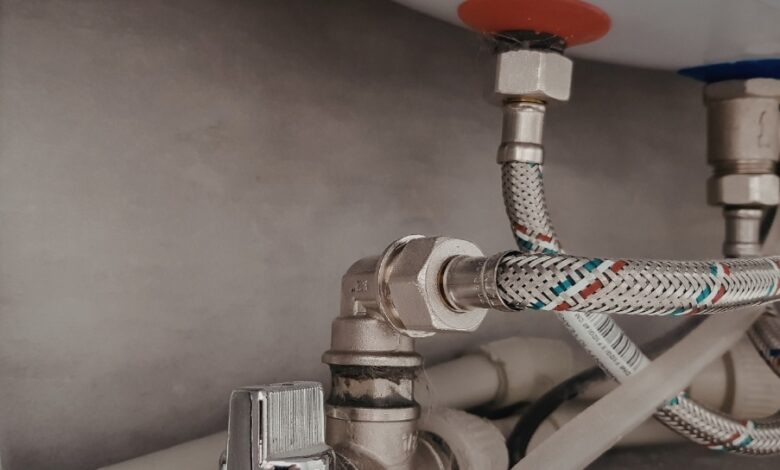
The supply system brings pressurized fresh water into the home and distributes it to every fixture and appliance that needs it. Water enters the house through the main supply line, passes through the meter, and then splits into a cold water line that runs through the house and a hot water line that is routed first through the water heater before distributing.
The drain-waste-vent (DWV) system carries used water and waste out of the home through gravity. Water from every drain flows downhill through increasingly larger pipes until it reaches the main sewer line, which exits the house and connects to the municipal sewer or a septic system.
These two systems never intentionally intersect after the point of use at a fixture. The supply brings clean water under pressure. The DWV carries used water and waste out through gravity.
Where Your Main Shutoff Valve Is and Why You Need to Know
Every homeowner should know the location of their main shutoff valve before they ever need to use it. When a pipe bursts, a supply line fails, or a toilet overflows beyond control, the main shutoff is how you stop the water immediately.
In most Denver-area homes, the main shutoff is near where the water supply enters the house, typically in the basement or utility room near the front wall of the foundation. In homes without basements, it might be in a utility closet or near the water heater. In some older homes, it is located on the exterior near the foundation.
Turn it clockwise to close. If it is a ball valve (a lever handle rather than a round wheel), turn the lever perpendicular to the pipe to close it.
Test your main shutoff valve periodically. Valves that have not been operated in years can seize and become difficult or impossible to turn when you actually need them.
How Water Pressure Works
The water pressure in your home is created by the municipal supply system and regulated at your property by a pressure-reducing valve (PRV). Ideal residential water pressure is between 40 and 80 pounds per square inch (PSI). Most homes are set somewhere in the 50 to 65 PSI range.
Low pressure (below 40 PSI) makes showers weak, and dishwashers and washing machines perform below their rated cycles. High pressure (above 80 PSI) puts stress on every connection in your plumbing system and significantly shortens the life of fixtures, appliances, and supply lines.
You can test your water pressure with an inexpensive gauge that threads onto a hose bib. If you consistently get readings above 80 PSI, your PRV may need adjustment or replacement. This is a job for a plumber.
The Role of Traps and Vents
Every drain fixture in your home, from the kitchen sink to the toilet, has a trap. A trap is the curved section of pipe that holds a small amount of water at all times. That water acts as a seal that prevents sewer gases from traveling back up through the drain into the living space.
The vent system works in tandem with the traps. When water flows down a drain, it needs air to enter from somewhere, or it creates a vacuum that can siphon water out of the traps. The vent pipes connected to every drain run up through the walls and exit through the roof, allowing air to enter the DWW system and equalize pressure.
When you hear a gurgling sound from a drain, it often means air is being pulled through the trap because there is an issue with venting. When you smell sewage in a bathroom or kitchen, a trap has dried out (less common on regularly used fixtures), or there is a vent problem.
Water Heater Basics
Your water heater is technically part of the supply system. Cold water enters, gets heated, and exits to the hot water distribution lines. Most residential water heaters in Denver are tank-style gas or electric units that store 40 to 80 gallons of heated water.
A few things worth knowing about your water heater. The temperature and pressure relief (T&P) valve is a safety device that must be tested periodically and replaced if it drips. The anode rod inside a tank water heater corrodes sacrificially to protect the tank from corrosion. It should be inspected and replaced every few years in hard water areas. And the tank should be flushed annually to remove sediment from Denver’s moderately hard water.
Tankless water heaters heat water on demand rather than maintaining a stored supply. They are more energy-efficient but require higher-capacity gas lines or electrical circuits and have their own maintenance requirements, primarily descaling in hard water areas.
What Pipe Materials Mean
Homes in the Denver area have plumbing pipes made from different materials depending on when they were built and what upgrades have been done.
Copper pipe is the gold standard for supply lines and has been used widely since the mid-20th century. It is durable, resistant to corrosion, and has an expected life of 50 or more years.
PVC and CPVC are plastic pipes used primarily for drain lines (PVC) and hot and cold supply lines (CPVC). They are affordable, easy to work with, and do not corrode.
PEX (cross-linked polyethylene) is flexible plastic tubing that has become the standard for new residential plumbing since the 1990s. It is resistant to freeze damage (it expands rather than splits when it freezes), easy to install in tight spaces, and long-lasting.
Galvanized steel pipe was common in homes built before the 1960s. It corrodes from the inside over time, reducing water flow and eventually causing leaks. Homes with galvanized supply lines often show low water pressure and rusty or discolored water as the pipe deteriorates. Replacement is eventually necessary.
Bottom Line
You do not need to be a plumber to own a home with plumbing. But knowing the basics, where the shutoff is, how pressure is regulated, what traps and vents do, and what material your pipes are made of, puts you in a position to catch problems earlier, respond more effectively when something goes wrong, and have much more productive conversations with the professionals who work on your system.