The manufacturing world is rapidly evolving, driven by the need for faster production cycles, reduced costs, and greater design flexibility. One term that has been gaining attention in this space is repmold. Although not a traditional industrial standard, repmold is widely used to describe modern mould-making approaches that combine digital design, rapid prototyping, and advanced materials to streamline production.
This article provides a complete, in-depth explanation of repmold, how it works, why it matters, and where it is used in today’s manufacturing industries.
What is Repmold?
Repmold refers to a modern manufacturing approach focused on rapid replication moulding techniques. It is not a single machine or fixed technology but rather a concept that integrates multiple advanced production methods such as CAD design, 3D printing, CNC machining, and polymer engineering.
In simple terms, repmold is about creating moulds faster, cheaper, and more flexibly than traditional steel tooling methods.
Traditional mould-making often requires:
- Heavy machining
- Expensive materials like hardened steel
- Long production timelines
Repmold, on the other hand, uses digital and lightweight alternatives to reduce time and cost while maintaining acceptable quality for prototyping and medium-scale production.
The Evolution of Mould-Making
To understand repmold properly, it is important to see how mould-making has evolved.
Traditional Moulding Methods
For decades, industries relied on steel or aluminium moulds created through precision machining. While these methods are highly accurate, they come with challenges:
- High production costs
- Long lead times (often weeks or months)
- Difficult design modifications
- Limited flexibility for small batches
Digital Transformation in Manufacturing
With the rise of digital manufacturing, industries began adopting:
- Computer-Aided Design (CAD)
- Computer-Aided Manufacturing (CAM)
- 3D printing technologies
- Rapid prototyping systems
These innovations paved the way for repmold-style processes, which prioritise speed and adaptability.
How Repmold Works
The repmold process typically involves several key stages.
Digital Design Creation
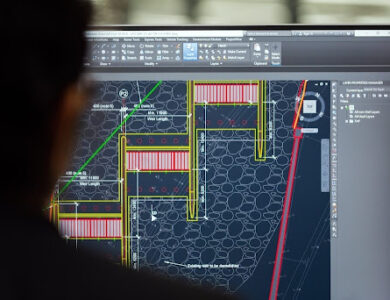
Everything begins with a digital model. Engineers use CAD software to design the part or product. This model contains exact dimensions, geometry, and structural details.
Simulation and Testing
Before physical production, simulations are used to test:
- Structural strength
- Heat resistance
- Material flow in injection-style processes
This helps identify design flaws early.
Rapid Tooling or Mould Creation
Instead of machining hardened steel, repmold often uses:
- 3D printed moulds
- Soft aluminium tooling
- Resin-based mould systems
These materials are faster to produce and easier to modify.
Prototype or Small Batch Production
Once the mould is ready, it is used to produce parts. These are typically:
- Prototypes
- Functional testing units
- Low-volume production runs
Iteration and Improvement
One of the strongest advantages of repmold is the ability to quickly adjust the design and produce improved versions without restarting the entire manufacturing process.
Key Features of Repmold Technology
Repmold stands out due to several defining features.
Speed of Production
Traditional moulds take weeks or months to manufacture. Repmold systems can reduce this to days or even hours depending on complexity.
Cost Efficiency
Since it reduces reliance on expensive tooling materials and labour-intensive machining, overall costs are significantly lower.
Flexibility
Designs can be easily modified without large financial losses, making it ideal for product development cycles.
Digital Integration
Repmold is fully aligned with modern Industry 4.0 systems, including automation, AI-assisted design, and cloud-based manufacturing tools.
Advantages of Repmold
The growing popularity of repmold is due to its multiple benefits across industries.
Faster Product Development
Companies can bring products to market much quicker by skipping long tooling phases.
Reduced Financial Risk
Lower tooling investment means reduced risk when testing new product ideas.
Ideal for Prototyping
Engineers can test multiple versions of a product before committing to mass production.
Customisation Capability
Repmold supports customised manufacturing, which is increasingly important in modern consumer markets.
Environmentally Friendly Potential
By reducing material waste and optimising production cycles, repmold can contribute to more sustainable manufacturing practices.
Limitations of Repmold
Despite its benefits, repmold also has limitations that must be considered.
Limited Durability
Unlike steel moulds, rapid tooling materials may wear out faster, making them unsuitable for very large production volumes.
Not Always Suitable for Mass Production
Repmold is best for prototypes or small batches. High-volume manufacturing still relies on traditional methods.
Material Constraints
Some repmold techniques cannot handle extreme temperatures or high-pressure industrial processes.
Quality Variability
Depending on the method used, surface finish and precision may not always match traditional machining standards.
Industrial Applications of Repmold
Repmold is used across various industries where speed and flexibility are more important than large-scale output.
Automotive Industry
Car manufacturers use repmold techniques for:
- Prototype parts
- Interior components
- Design testing models
This helps accelerate vehicle development cycles.
Aerospace Sector
In aerospace engineering, precision and testing are critical. Repmold is used to:
- Create lightweight prototypes
- Test aerodynamic components
- Develop custom tooling systems
Medical Industry
Repmold supports the production of:
- Custom prosthetics
- Surgical tools
- Medical device prototypes
Consumer Electronics
Tech companies use repmold for:
- Product casing prototypes
- Device testing models
- Rapid design iteration
Industrial Manufacturing
Factories use repmold to produce:
- Machine components
- Tooling fixtures
- Custom industrial parts
Repmold and the Future of Manufacturing
The future of manufacturing is moving towards greater automation, digitalisation, and customisation. Repmold fits perfectly into this transformation.
Integration with AI and Automation
Future repmold systems are expected to use AI to:
- Predict design flaws
- Optimise material usage
- Improve production efficiency
Growth of On-Demand Manufacturing
Instead of mass-producing goods, companies will increasingly adopt on-demand production models supported by repmold techniques.
Expansion of 3D Printing Capabilities
As 3D printing technology advances, repmold will become even faster and more accurate.
Smart Factories
Repmold will play a key role in fully automated smart factories where human intervention is minimal.
Why Repmold Matters Today
Repmold represents a shift in how industries think about production. Instead of focusing only on mass manufacturing, it encourages:
- Speed
- Experimentation
- Innovation
- Flexibility
In a competitive global market, these advantages are essential for staying ahead.
Businesses that adopt repmold-like systems can:
- Reduce development costs
- Launch products faster
- Respond quickly to market demand
- Improve innovation cycles
Conclusion
Repmold is more than just a manufacturing technique. It is a modern approach to production that reflects the future of industrial design. By combining digital tools, rapid prototyping, and flexible mould-making methods, it allows companies to move faster and innovate more efficiently.
While it may not replace traditional moulding in high-volume manufacturing, its importance in prototyping, small batch production, and product development is undeniable. As technology continues to evolve, repmold will likely become an even more integral part of global manufacturing systems.