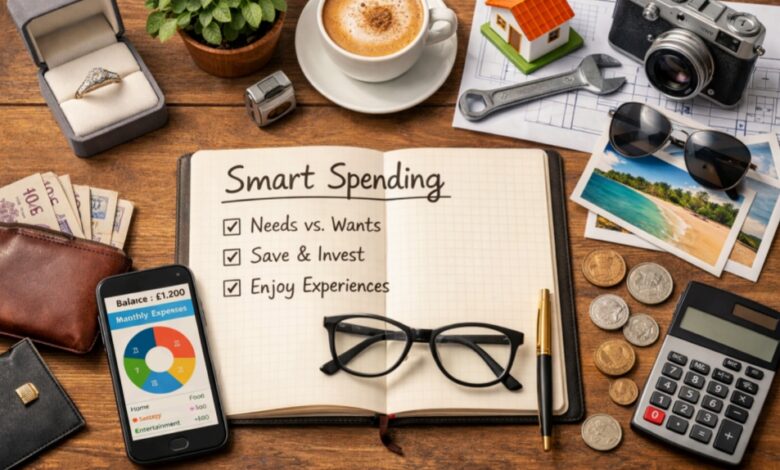
Let’s be honest, most of us don’t want to feel like we’re constantly “watching our spending.” Life is meant to be enjoyed. But at the same time, there’s that quiet voice in the back of your mind reminding you that every decision adds up.
That’s where lifestyle spending comes in. It’s not about saying no to everything fun or meaningful, it’s about learning how to say yes to the right things. The kind of things that actually improve your life, not just fill a moment.
Understanding Lifestyle Spending in the Modern Age
Lifestyle spending is everything you choose to spend money on beyond the basics. It’s your dinners out, your weekend plans, your home upgrades, and even those little “treat yourself” moments.
The tricky part? There’s no universal rulebook.
What feels like a worthwhile expense to one person might feel unnecessary to another. And with so many options constantly competing for your attention, it’s easy to lose track of what actually matters to you.
That’s why the conversation has shifted. It’s no longer about cutting back, it’s about being intentional.
The Shift Toward Value-Driven Spending
Think about the last thing you bought that truly felt worth it. Not just “cheap” or “convenient,” but genuinely satisfying.
Chances are, it wasn’t an impulse purchase.
More people are starting to move away from quick, disposable spending and toward choices that feel meaningful. That might mean buying fewer things but better ones. Or choosing services that actually make life easier instead of just temporarily convenient.
Value-driven spending isn’t about spending more, it’s about getting more out of what you spend.
It shows up in simple ways:
- Choosing quality over quantity
- Supporting businesses you trust
- Paying a bit extra for something that lasts
Over time, these small decisions make a big difference not just financially, but mentally too.
Investing in Meaningful Purchases
Some purchases just hit differently. They carry stories, memories, and meaning that go far beyond their price tag.
Choosing Quality for Lifetime Value
Take engagement rings, for example. It’s not just another item, it’s something tied to one of the most important moments in life. It’s worn daily, often for decades, and sometimes even passed down through generations.
That’s why people tend to slow down when making this kind of decision. They look beyond the price and think about craftsmanship, durability, and what the piece represents.
When you’re dealing with meaningful purchases like this, it helps to ask:
- Will this still matter to me years from now?
- Is it built to last?
- Does it reflect something personal?
Sometimes spending more upfront isn’t indulgent, it’s practical in the long run.
Balancing Essential Services with Budget Goals
Not all lifestyle spending is exciting. Some of it shows up unannounced usually at the worst possible time.
Planning for Unexpected Needs
A leaking pipe. A broken heater. Suddenly, you’re searching for a reliable putkimies vantaa and hoping you don’t overpay in the process.
These are the moments where planning ahead really pays off.
Instead of scrambling, it helps to:
- Keep a small emergency fund for home issues
- Have a shortlist of trusted service providers
- Do a bit of research before you actually need help
It’s not glamorous, but it saves you from stress and often from spending more than necessary.
The Psychology Behind Spending Choices
Here’s something we don’t talk about enough: spending is emotional.
You don’t always buy something because you need it. Sometimes it’s because you’re tired, stressed, bored, or even just influenced by what others are doing.
And businesses know this.
Common Spending Triggers
- “I deserve this” moments after a long day
- Seeing others buy or recommend something
- Flash sales and limited-time offers
- Choosing convenience over cost
None of these are inherently bad but being aware of them helps you pause before making decisions you might regret later.
Creating a Sustainable Spending Strategy
The goal isn’t to restrict yourself. It’s to build a system that works for you, one that lets you enjoy life without constantly worrying about money.
Practical Steps to Follow
- Know What Actually Matters to You
Not what trends say. Not what others are doing. Just you. - Give Yourself Permission to Spend
A realistic budget should include enjoyment, not eliminate it. - Check In With Yourself Regularly
Are your spending habits matching your priorities? - Think Long-Term
Cheap now doesn’t always mean affordable later. - Slow Down Big Decisions
A little time can prevent a lot of regret.
The Role of Experiences in Lifestyle Spending
If you look back on your favorite memories, they’re probably not things they’re moments.
A trip. A celebration. Even a simple day spent with the right people.
Experiences tend to stay with us longer than purchases. They shape how we feel, how we grow, and how we connect with others.
That doesn’t mean material things don’t matter but finding a balance is key.
Technology and Smarter Spending
One advantage we have today is access to tools that make managing money easier.
From apps that track your spending to platforms that help you compare prices, it’s never been simpler to stay informed.
A few small habits can go a long way:
- Checking reviews before paying for services
- Using apps to track where your money goes
- Avoiding subscriptions you don’t really use
These aren’t big changes but they add up quickly.
Avoiding Common Lifestyle Spending Mistakes
Even when you’re trying to be mindful, it’s easy to slip into patterns that don’t serve you.
A few to watch out for:
- Ignoring small daily expenses that quietly build up
- Relying too much on credit without a plan
- Forgetting to budget for irregular costs
- Buying things just because they’re trending
Awareness is half the solution. Once you notice these habits, you can start to change them.
Building Long-Term Financial Confidence
At the end of the day, lifestyle spending isn’t just about money it’s about feeling in control.
When you know where your money is going and why, everything feels a little lighter. You can enjoy what you spend without second-guessing every decision.
And that confidence doesn’t come from perfection, it comes from consistency.
Small, thoughtful choices. Made over time.
Final Thoughts
You don’t need to cut out everything you love to be financially responsible. You just need to be a bit more intentional about what you say yes to.
Because the goal isn’t to spend less.
It’s to spend in a way that actually makes your life better.