You found water damage in your home and need to act fast. Even small leaks can cause mold and structural harm within days. This guide shows how to stop the leak, document the damage, and begin cleanup.
Read on to protect your home.
Stop the Source and Ensure Safety
Now move from the introduction to stopping the water and keeping people safe. Act fast to limit damage and risk.
- Find the source of the water leak and note its location. Turn off the fixture if you can do so safely.
- Shut the main water valve to stop the water. Label the valve if others do not know its use.
- Cut power to affected areas to avoid electrical hazards. Switch off circuit breakers in the electrical panel if water reaches outlets.
- Evacuate people and pets from wet rooms if structural risk exists. Move to a dry area and keep clear access to exits.
- Use cordon tape or barriers to mark unsafe zones. Limit entry to trained responders and emergency services.
- Wear basic safety gear, like gloves and rubber boots, before touching water. Avoid standing in water near electrical devices.
- Protect undamaged items by moving them to higher ground. Wrap fabrics in plastic to reduce moisture control issues.
- Call emergency services if flooding stems from sewer backup or threatens safety. Request help for evacuation or power shutoff if needed.
- Take photos and videos of the scene for damage documentation before cleanup. Note time, dates, and any visible causes for insurance claims.
- Contact a licensed plumber or water damage professional as soon as possible. Arrange temporary repairs to stop further water intrusion.
Shut Off Power and Water Supply
After you stop the source and secure the area, cut off utilities to lower risk. Do not enter wet rooms while power may still be on.
- Locate the main electrical breaker and switch it off to prevent shock near the water leak.
- Turn off branch breakers for affected rooms if the main panel is far from the damage.
- If water reaches the electrical panel, exit and call emergency services before touching anything.
- Find the home main water valve and close it to stop further flooding.
- Close individual supply valves for fixtures to limit standing water and help with damage assessment.
- Wear rubber-soled shoes and gloves when you operate valves to follow safety precautions.
- Notify your utility company if you cannot safely shut off electricity or water on your own.
- Record the shutdown steps and take photos for insurance claims and the restoration process.
Document the Damage for Insurance
Now that you shut off power and water, start documenting the damage for insurance. Take clear, dated records and notes.
- Take wide photos of each room to show the full scope of flooding and water damage.
- Shoot close-up photos of damaged items to record stains, swelling, and breakage.
- Record short videos that pan each wall and floor to show moisture and leaks over time.
- Note the date and time on every photo and video to aid the insurance claims process.
- List damaged items with brand, model, purchase date, and estimated value for the damage assessment.
- Keep original receipts and take photos of receipts and warranties for high-value items to help claims.
- Save repair and cleanup invoices to document emergency response and restoration process costs.
- Write a brief timeline of the water leak event, including when you discovered it and steps taken to stop it.
- Get a professional damage assessment from a licensed restoration company to strengthen your insurance claim.
- Send the insurer an initial claim with your photos, inventory, invoices, and assessment to start the insurance claims review.
Remove Excess Water
Excess water can cause more damage if not removed quickly. Take action to eliminate standing water as soon as possible.
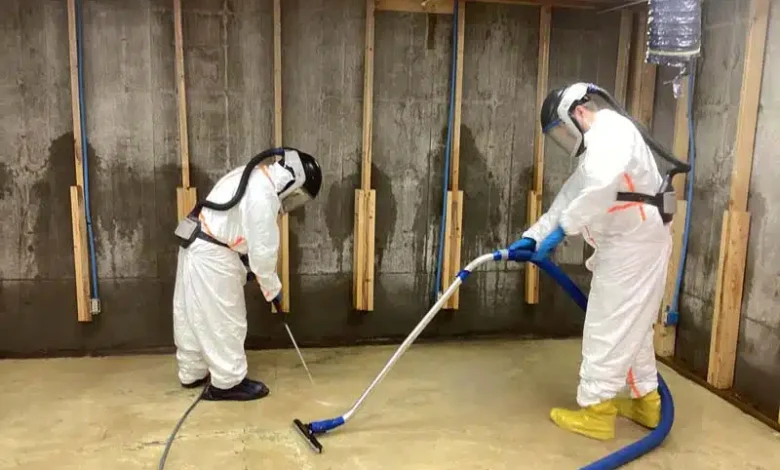
- Use a wet/dry vacuum to suck up standing water. This tool is effective for removing large amounts of water.
- Mop floors and wipe surfaces with towels or rags. Focus on areas that hold water.
- Open doors and windows for airflow. Fresh air helps speed up the drying process.
- Turn on fans to increase ventilation in the affected areas. Fans help evaporate moisture from walls and furniture.
- Check items like carpets, rugs, and upholstery for excess water. Remove them if they are soaked.
- Use dehumidifiers to control humidity levels in your home. These devices pull moisture from the air effectively.
- Dispose of any debris or wet materials safely. Follow local guidelines for disposal of wet waste.
- Monitor the area closely for any leftover water or dampness after cleanup efforts are made.
- Act quickly to limit further damage that may lead to mold growth later on.
- Keep safety precautions in mind while working, especially regarding electrical hazards related to water removal efforts.
Begin Drying and Ventilation
After water damage, quick action is key. Begin drying and ventilation right away to prevent further issues.
- Open windows and doors. This allows fresh air to circulate inside your property.
- Use fans to help speed up drying. Place them in the affected areas for better airflow.
- Set dehumidifiers in damp rooms. They remove excess moisture, lowering humidity levels.
- Remove carpets and rugs if they are soaked. These materials retain water and promote mold growth.
- Wipe down surfaces with clean rags or towels. This helps absorb any remaining moisture on hard surfaces.
- Check cabinets and closets for hidden dampness. Keep their doors open to allow airflow.
- Dry out furniture by placing it outside if possible, or using fans indoors.
- Monitor the area for signs of mold as you dry things out. Take quick action if you see any spots forming.
Professional restoration services can assist with more extensive drying methods after these steps are taken.
Identify and Remove Damaged Items
Begin drying and ventilation. Now, focus on the damaged items in your space.
- Start with furniture. Check for wet sofas, chairs, and tables. Remove any items that cannot be saved.
- Move on to carpets and rugs. Water can ruin them quickly. If they are soaked, take them out right away.
- Inspect your belongings. Items like books and papers are often damaged by water. Take those that are wet and set them aside.
- Look at appliances. Washers, dryers, and refrigerators may sustain water damage too. Unplug them if necessary.
- Check walls and ceilings for damage as well. Bubbling paint or swelling wood indicates trouble.
- Consider clothing affected by the leak or flooding. Dry clean or wash items if they have absorbed water.
- Assess electronics carefully; devices can easily malfunction once wet. Remove any that show signs of exposure to moisture.
- Dispose of moldy items immediately to prevent spread; mold can start growing within 24-48 hours after exposure to moisture.
- Keep track of all damaged items for insurance purposes; taking photos will help your claim later.
- List all removed items for records; this will ease the restoration process once professionals arrive.
Act fast to limit further damage from water and to promote safety in your home during cleanup procedures like these following steps.
Sanitize the Affected Areas
After you remove damaged items, it is time to sanitize the affected areas. This step will help prevent mold and keep your home safe.
- Use soap and water to clean all surfaces that came into contact with water. Focus on floors, walls, and furniture.
- Apply a mixture of bleach and water for tougher stains. A solution of one cup of bleach in a gallon of water works well.
- Make sure the area is well ventilated while cleaning. Open windows or use fans to circulate air.
- Wear gloves and masks while sanitizing for safety. Protect yourself from chemicals in cleaning products.
- Let the cleaned areas dry completely after sanitizing. This helps prevent any moisture buildup.
- Check for leftover dirt or debris after drying. Clean these spots again if needed.
- Disinfect items that can be saved like rugs or curtains by washing them thoroughly.
- Keep an eye on the area for any signs of mold growth in the days after cleaning, as this can show hidden moisture issues.
Taking these steps will help ensure a cleaner and safer environment after water damage happens in your property. If you’re overwhelmed by the cleanup process, consider hiring professionals who specialize in water damage restoration in New York.
Call Professional Water Damage Restoration Services
Professional water damage restoration services can help you recover from serious issues. They have the right tools and skills to fix your property. Water removal is a big job, and experts make it easier.
These professionals assess the damage quickly. They know how to dry areas properly, which prevents mold growth. Calling them will speed up your recovery time and improve safety in your home.
Checking for hidden damage is crucial too. These experts inspect behind walls and under floors to find moisture that could cause future problems.
Check for Hidden Damage and Mold Growth
Look for hidden damage in walls, floors, and ceilings. Water can seep into these areas. It can cause rotting and weakening of materials. Check behind appliances too. Remove any panels or covers to inspect the space.
Mold grows quickly in damp conditions. It thrives within 24-48 hours after water exposure. Look in corners, under cabinets, and around pipes for dark spots or a musty smell. If you find mold, act fast to remove it safely.
Prevent its return with proper drying and ventilation techniques after cleanup steps are complete.
Repair and Restore the Property
After addressing water damage, the next step is to repair your property. This process helps bring your home back to normal.
- Evaluate all damaged areas. Check walls, floors, and ceilings for any signs of lasting damage.
- Fix leaks first. Address any plumbing issues that caused water damage before making repairs.
- Replace ruined materials. If drywall or flooring is too damaged, consider replacing them.
- Paint walls when dry. Use mold-resistant paint to prevent future growth.
- Install new flooring if needed. Choose materials that resist moisture for better durability.
- Seal windows and doors properly. Ensure they are watertight to avoid future leaks.
- Check insulation for damage and replace it if required; proper insulation helps control moisture levels.
- Restore electrical systems safely; call a qualified electrician to inspect and make necessary repairs.
- Clean heating and air conditioning ducts thoroughly; this prevents mold spores from spreading around your home.
- Inspect roofing structures for leaks; repair any missing shingles or flashing around chimneys or vents. Keeping the exterior clear matters just as much, and routine exterior cleaning and upkeep clears the gutters, downspouts, and window channels that send rainwater away from the foundation.
- Conduct a thorough inspection after repairs; ensure everything is in good condition before moving back in.
This step supports ensuring safety against future issues like mold growth or further water damage.
Conclusion
Act quickly when you find water damage in your property. Take safety precautions first and stop the leak. Record the damage for insurance claims. Remove excess water to prevent further harm.
This process helps you restore your home and avoid mold growth. Proper steps ensure a safe and effective cleanup.