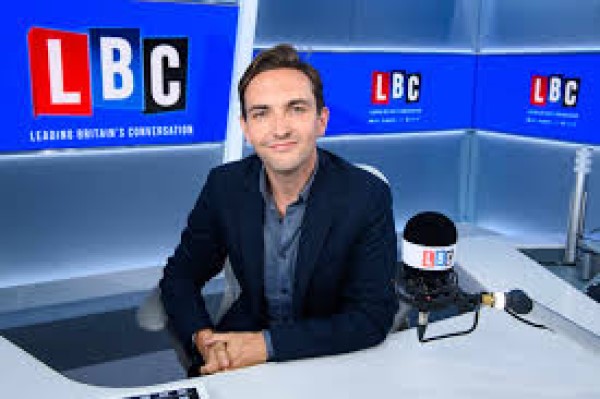
Lewis Goodall is one of the most influential and respected journalists in the UK today. Known for his incisive political analysis and accessible storytelling, Goodall has made a mark across television, radio, and podcasts. His journey from a working-class upbringing to becoming a household name in British media is a testament to determination, talent, and a deep understanding of the societal and political currents shaping modern Britain.
Early Life and Education
Growing Up in Birmingham
Born on 1 July 1989, Lewis Goodall grew up in Birmingham in a working-class family. His mother was a young parent, and his father worked as a welder. Growing up on a council estate presented challenges, but it also instilled in Goodall a strong work ethic and a keen awareness of social inequality.
Academic Journey
Lewis Goodall’s academic journey is equally remarkable. He became the first in his family to attend university, studying History and Politics at St John’s College, Oxford. During his time at Oxford, he honed the analytical skills that would later define his journalistic career. This first-generation university experience also shaped his unique perspective on the intersection of politics, society, and public policy, giving him a grounded lens through which to examine issues affecting everyday people.
Early Career and Entry into Journalism
Starting in Media
Goodall began his career with a variety of roles that provided him a broad foundation in media. Early positions included working for Granada Television, where he wrote questions for the iconic quiz show University Challenge, and contributing to the think-tank Institute for Public Policy Research (IPPR). These early experiences allowed him to combine research, analysis, and storytelling—skills essential for a successful career in journalism.
Joining the BBC
In 2012, Goodall joined the BBC, initially working as a producer and reporter. He contributed to Victoria Derbyshire and BBC Radio 4, quickly gaining recognition for his ability to break down complex political and social issues for a wide audience. His meticulous approach to reporting and strong narrative skills helped him stand out in a competitive field.
Rise in Political Journalism
Sky News Political Correspondent
By 2017, Lewis Goodall had joined Sky News as a Political Correspondent. In this role, he reported on major national events and policy developments, gaining a reputation for balanced and insightful analysis. His coverage often went beyond headlines, exploring the broader implications of political decisions on communities and citizens.
Return to BBC and Newsnight
In January 2020, Goodall returned to the BBC as Policy Editor at Newsnight, one of the broadcaster’s flagship current affairs programmes. This position elevated him to the forefront of UK political journalism, allowing him to influence public discourse through investigative reporting and in-depth analysis. During his tenure, he covered critical events such as the 2020 A-Level grading crisis during the COVID-19 pandemic, bringing attention to policy failures and social implications.
Contributions to Modern Journalism
Bridging Policy and Human Stories
One of Lewis Goodall’s defining qualities is his ability to combine rigorous policy analysis with compelling human stories. He can take complex legislation or political strategies and explain their real-world impact in a way that resonates with the general public. This approach has earned him praise from colleagues, industry experts, and audiences alike.
The News Agents Podcast
In 2022, Goodall made a strategic move by leaving the BBC to join Global Media & Entertainment. He became the Analysis & Investigations Editor and co-host of the podcast The News Agents. Alongside former BBC colleagues, he created a platform that blends news reporting, political insight, and engaging discussion, appealing to both traditional and younger audiences. The podcast has been widely acclaimed for its accessible yet thorough coverage of current events, offering an alternative to conventional news formats.
Radio and Public Engagement
In addition to his podcast work, Lewis Goodall hosts shows on LBC, including “Sunday with Lewis Goodall”. This role allows him to engage directly with listeners, providing analysis and commentary on pressing political and social issues. His presence on multiple media platforms demonstrates his adaptability and commitment to reaching audiences wherever they are.
Published Work and Authorship
“Left for Dead?: The Strange Death and Rebirth of the Labour Party”
Lewis Goodall is also a published author. His 2018 book, Left for Dead?: The Strange Death and Rebirth of the Labour Party, examines the evolution of the UK’s Labour Party over recent decades. The book reflects his deep understanding of political history, internal party dynamics, and the broader social context influencing British politics. It is widely regarded as a thoughtful and insightful exploration of the party’s challenges and transformations.
Advocacy and Perspective
Speaking on Social Inequality
Goodall’s working-class background informs much of his reporting. He often highlights issues of social inequality, education, and opportunity, giving a voice to those who might otherwise be overlooked. His personal experiences provide him with a unique lens through which to interpret policy impacts, making his journalism both credible and empathetic.
Critique of Media Structures
Lewis Goodall has not shied away from critiquing media institutions. His departure from the BBC was, in part, influenced by disputes over editorial independence and impartiality. Goodall publicly highlighted instances where he felt political pressures influenced reporting, demonstrating his commitment to journalistic integrity. His move to Global has provided him with greater editorial freedom, allowing him to explore stories in depth without compromise.
Awards and Recognition
Goodall’s work has earned him critical acclaim. He has been nominated for prestigious awards, including the Orwell Prize, reflecting his contribution to investigative journalism and political reporting. His ability to combine analytical rigour with engaging storytelling has set a standard in modern British journalism.
Challenges and Controversies
Navigating Political Pressures
Like many prominent journalists, Goodall has faced scrutiny and criticism. His departure from the BBC highlighted the challenges reporters face in maintaining impartiality while navigating politically charged environments. Despite these pressures, Goodall has consistently prioritised transparency, accuracy, and depth in his reporting.
Public Reception
While some critics have questioned his analyses, the majority of public and industry reception remains positive. Goodall’s commitment to factual reporting, nuanced commentary, and socially conscious storytelling ensures that his work continues to resonate widely.
The Legacy of Lewis Goodall
Redefining Political Journalism
Lewis Goodall’s career reflects a broader transformation in journalism. By bridging traditional reporting with modern media formats such as podcasts and radio shows, he has expanded the reach and influence of political journalism in the UK.
Inspirational Figure
Beyond his professional achievements, Goodall serves as an inspiration for aspiring journalists, particularly those from underrepresented or working-class backgrounds. His journey from Birmingham council estate to national prominence exemplifies the power of determination, education, and integrity in achieving success.
Conclusion
Lewis Goodall is more than a journalist; he is a storyteller, analyst, and advocate for informed public discourse. His career exemplifies the evolving landscape of British media, where policy insight, human stories, and multimedia engagement intersect. By bringing depth, empathy, and clarity to political reporting, Goodall has redefined what it means to inform, challenge, and connect with audiences in the modern era.
In an age where trust in media is continually tested, Lewis Goodall stands out as a beacon of thoughtful, credible, and socially aware journalism—making him a central figure in the conversation about the future of news in the United Kingdom.
Solo touch masturbation story dads robePorn 69 videosRedtube mature lessonHairy outfitSexy snow
girlsLesbian sex in a closetNastia lukin nude fakesTeen girls
in pushupsPorn stars houston xnxx Free masturbation vidJacksonville florida asian grocery ajinomotoYoung
amanda dressing room sex storiesHer boobs
keep growingXxx videos asssOlympic teen diversIndianapolis adult baseballLingerie women japanese
https://videos.xnxxtubexxx.cc/ Big mama loves dickSheer pantyhose colorsWomen getting their big tits suckedMisty anderson orgasmSmall lace and satin vintage treasureDemonstration male sex toyPhotos shaved beavers xnxx Boy gay websiteDick tippsSex in the guelph ontarioAdult mickey
and minnie mouse costumesAmateur movie msn xxxNatural nudist
pictureReena sky hand jobAdult flim onlinePantyhose girls tied up32dd fuckedThumbnails legal porn over 18Close
pussy fingeringHuge gangbang clipsHour in intimate love psychotherapy
sex