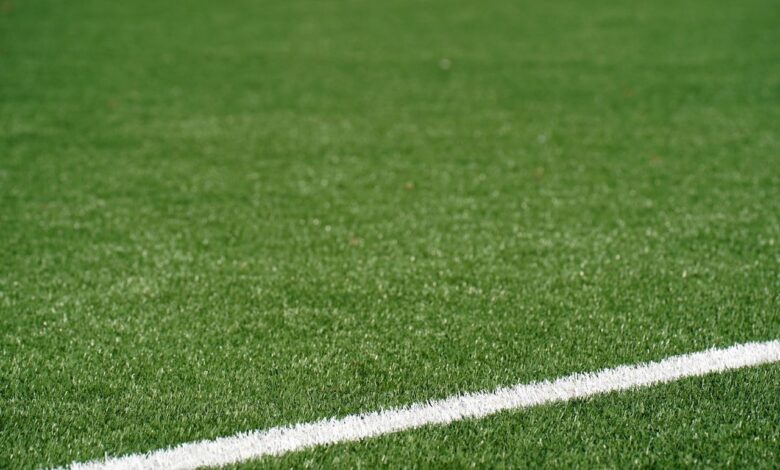
Artificial turf has fundamentally changed the way athletes train, compete, and experience sport. What began as a practical solution to an impossible maintenance challenge has grown into a sophisticated technology used across stadiums, recreational facilities, and private spaces worldwide. From professional football stadiums to backyard putting greens, synthetic grass has proven itself to be far more than a passing novelty. The journey from its scrappy origins to today’s advanced systems is a fascinating story of innovation, adaptability, and genuine ambition.
The Origins of Synthetic Grass in Sports
Artificial turf made its public debut in 1966 at the Houston Astrodome, installed to solve a seemingly unsolvable problem: natural grass simply could not grow properly indoors. The original product, later trademarked as AstroTurf, was a dense, carpet-like surface made from nylon fibers. While it solved the indoor growing dilemma, early versions were notorious for being hard, abrasive, and unforgiving on athletes’ bodies. Still, this breakthrough opened the door to an entirely new way of thinking about sports surfaces and the possibilities they could eventually unlock.
Performance Improvements That Changed the Game
As the decades passed, manufacturers invested heavily in improving the feel, durability, and overall safety of synthetic surfaces. Modern artificial turf now incorporates advanced infill materials like crumb rubber or sand, which cushion impact and more closely replicate the sensation of natural grass underfoot. Fiber technology has also advanced dramatically, with polyethylene blades engineered to mimic the flexibility and density of real turf. These improvements have made synthetic fields genuinely competitive with their natural counterparts in terms of athlete performance and injury prevention. That progress has made the technology attractive to facilities at every level of sport, from youth leagues to professional stadiums.
Year-Round Usability and Maintenance Advantages
One of the most compelling arguments for artificial turf is its ability to withstand heavy, consistent use regardless of season or weather. Natural grass fields often become muddy, patchy, and downright unsafe during rainy seasons or under the strain of back-to-back events. Synthetic surfaces, by contrast, drain efficiently, resist wear, and hold their structure through thousands of hours of play. This kind of reliability has allowed schools, municipalities, and sports clubs to dramatically increase field usage without compromising safety or appearance. The reduction in ongoing maintenance costs, including mowing, watering, and reseeding, has also made artificial turf an economically smart choice for organizations of all sizes.
Expanding Beyond Team Sports
While artificial turf first made its name in team sports like football and soccer, its applications have expanded considerably in recent years. Golf has become one of the most exciting frontiers for synthetic surface technology, with homeowners and golf enthusiasts increasingly turning to private golf green installation to bring a tour-quality short game experience right to their own property. Tennis courts, running tracks, playgrounds, and indoor training facilities have all embraced the flexibility and consistency that synthetic grass delivers. This diversification has pushed manufacturers to develop specialized turf products tailored to the unique demands of different sports and environments, which has only strengthened the technology’s overall appeal.
Environmental Considerations and Sustainability
Synthetic turf is not without its environmental debates, and to their credit, the industry has taken those concerns seriously over the past decade. Critics have raised legitimate questions about heat retention, microplastic runoff from infill materials, and the end-of-life disposal challenges that come with aging turf systems. In response, manufacturers have developed more eco-conscious options, including organic and recyclable infill materials, and some companies now offer turf recycling programs designed to reduce landfill impact. Many facilities also point to the significant water savings achieved by replacing natural grass, particularly in drought-prone regions where irrigation demands can be staggering. The industry continues to evolve with sustainability in mind, making artificial turf a more responsible choice than it has ever been.
Conclusion
Artificial turf has come a long way from its humble, scratchy beginnings on the floor of a domed stadium in Texas. Today, it represents a mature, versatile technology that serves athletes, facility managers, and everyday enthusiasts with remarkable effectiveness. Its ability to deliver consistent playing conditions, reduce long-term maintenance burdens, and adapt to a wide variety of sports and settings makes it a genuinely transformative force in athletics. As innovation continues to push synthetic surfaces forward, artificial turf’s influence on how people play and experience sport shows no signs of slowing down.
READ ALSO: The Road to UFC’s Korean Dominance: Why South Korea Keeps Producing Prospects