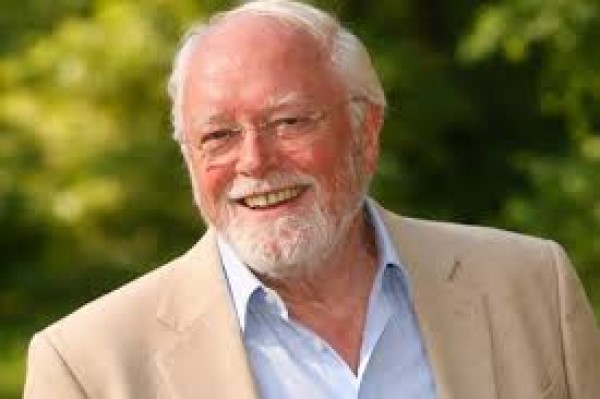
Table of Contents
ToggleIntroduction to Robert Attenborough
The name Robert Attenborough often sparks curiosity because of its connection to one of Britain’s most celebrated families. While many people instantly recognise the Attenborough surname through broadcasting and film, Robert Attenborough has built his own reputation in a very different arena. Rather than pursuing fame in front of cameras, he dedicated his life to scientific research, academia, and the study of human populations.
Robert Attenborough is known as a distinguished British biological anthropologist whose work has contributed significantly to the understanding of human health, evolution, and community development. His career reflects a deep commitment to knowledge, research, and social responsibility. Despite being born into a family widely recognised across the world, he has maintained a relatively private life, focusing on intellectual pursuits and meaningful contributions to science.
This article explores the life, age, background, career achievements, and personal journey of Robert Attenborough in detail, providing an informative and engaging overview designed to help readers understand his legacy.
Early Life and Background of Robert Attenborough
Family Heritage and Upbringing
Robert Attenborough was born in the United Kingdom into a family known for its remarkable achievements in education, science, and entertainment. His father became one of the most influential natural historians in the world, while other relatives earned acclaim in acting, directing, and public service.
Growing up in such an intellectually stimulating environment, Robert Attenborough was surrounded by curiosity, learning, and creativity from an early age. His family valued education and encouraged exploration of ideas, which played a major role in shaping his academic interests.
Education and Academic Foundations
From his school years, Robert demonstrated a strong interest in science, particularly in biology and human development. He pursued higher education in subjects related to anthropology and population health, disciplines that examine how humans live, adapt, and evolve in different environments.
His academic training provided him with the knowledge and analytical skills required to study complex social and biological systems. Over time, he developed expertise in understanding how environmental conditions, cultural practices, and genetics influence human health.
Robert Attenborough Age and Birth Details
When Was Robert Attenborough Born?
Although Robert Attenborough is a recognised academic figure, detailed personal information about his birth date has not been widely published. However, available public records and professional timelines suggest that he was born around the early 1950s.
How Old Is Robert Attenborough?
Based on estimated birth data, Robert Attenborough is believed to be in his mid-seventies as of 2026. His long career in research and academia reflects decades of dedication to scientific discovery and education.
His age represents not only years of experience but also a lifetime spent contributing to knowledge and understanding in the field of anthropology.
Academic Career and Professional Achievements
Specialisation in Biological Anthropology
Robert Attenborough built his career in biological anthropology, a field that studies the biological and cultural aspects of human populations. This discipline explores topics such as:
- Human evolution
- Population health
- Disease patterns
- Environmental adaptation
- Social and cultural development
His research has helped scientists and policymakers better understand how communities respond to health challenges and environmental changes.
Research Contributions
One of the defining features of Robert Attenborough’s career is his work with communities in remote and developing regions. He has conducted extensive field research aimed at improving health outcomes and understanding population dynamics.
His studies often focus on how nutrition, disease, and living conditions influence the well-being of individuals and communities. These findings have contributed to public health strategies and academic knowledge worldwide.
Teaching and Mentorship
In addition to research, Robert Attenborough has played an important role in education. As a university lecturer and academic mentor, he has guided students and young researchers in developing their own scientific careers.
Teaching allowed him to share his knowledge and inspire the next generation of scholars. Many of his students have gone on to work in healthcare, research, and international development.
The Influence of the Attenborough Family
A Family Known for Excellence
The Attenborough family is widely respected for its achievements across multiple fields. Members of the family have made significant contributions to broadcasting, filmmaking, science, and public service.
Growing up in such a distinguished family naturally placed Robert Attenborough in the public eye. However, he chose a path defined by intellectual exploration rather than celebrity.
Creating His Own Identity
Despite the prominence of his surname, Robert Attenborough established a professional identity based on his own achievements. His career demonstrates that success can be measured not only by fame but also by the positive impact one makes on society.
His dedication to research and education highlights the importance of perseverance, discipline, and curiosity in achieving long-term success.
Research Focus and Areas of Expertise
Population Health and Human Development
A major area of Robert Attenborough’s work involves studying population health. This field examines how factors such as nutrition, sanitation, and healthcare access affect communities.
By analysing patterns of illness and recovery, researchers can develop strategies to improve public health systems. Robert’s work has contributed valuable insights into how communities can achieve better health outcomes.
Environmental and Cultural Adaptation
Another important aspect of his research is understanding how humans adapt to their surroundings. Different environments present unique challenges, from extreme climates to limited resources.
Robert Attenborough has studied how cultural practices and social structures help people survive and thrive in difficult conditions. His findings emphasise the resilience and adaptability of human societies.
Global Health and Community Development
Robert’s research often intersects with global health initiatives. By working with international organisations and local communities, he has helped design programmes aimed at improving living standards.
These efforts include:
- Promoting better nutrition
- Supporting disease prevention
- Enhancing healthcare accessibility
- Encouraging sustainable development
Such contributions demonstrate the practical value of scientific research in addressing real-world problems.
Personal Life and Privacy
A Private Lifestyle
Unlike many individuals connected to famous families, Robert Attenborough has maintained a low public profile. He rarely appears in media interviews or public events, choosing instead to focus on his academic responsibilities.
This preference for privacy reflects his personality and professional values. He believes that meaningful work should speak for itself rather than rely on public attention.
Family and Relationships
Information about Robert Attenborough’s personal relationships, including his spouse and children, has been kept largely confidential. This decision helps protect his family’s privacy and allows them to live away from public scrutiny.
His approach highlights the importance of balancing professional success with personal well-being.
Legacy and Impact on Science
Advancing Knowledge in Anthropology
Robert Attenborough’s work has made a lasting contribution to the field of anthropology. His research has expanded understanding of how biological, environmental, and cultural factors interact to shape human health.
These insights continue to influence academic research and public health policies around the world.
Inspiring Future Generations
Through teaching and mentorship, Robert has inspired countless students to pursue careers in science and research. His dedication to education ensures that his knowledge and values will continue to benefit society for years to come.
Young scholars often view his career as an example of how intellectual curiosity and hard work can lead to meaningful achievements.
Why Robert Attenborough Remains Relevant Today
A Model of Academic Excellence
In an era dominated by rapid technological change and global challenges, the work of researchers like Robert Attenborough remains essential. His studies provide valuable guidance for addressing issues such as disease prevention, environmental sustainability, and community health.
Commitment to Public Service
Robert Attenborough’s career reflects a strong sense of responsibility towards society. Rather than seeking recognition, he focused on improving lives through knowledge and research.
This commitment to service makes him an inspiring figure for students, scientists, and professionals alike.
Conclusion
Robert Attenborough stands as a remarkable example of dedication to science, education, and social progress. Born into a family known for global influence, he chose a path defined by intellectual achievement and humanitarian values.
His work in biological anthropology has improved understanding of human health and community development, while his role as an educator has shaped the careers of many young researchers. Although he maintains a private lifestyle, his professional contributions continue to make a significant impact on society.
As the world faces new health and environmental challenges, the research and insights of scholars like Robert Attenborough remain more important than ever. His legacy demonstrates that true success lies not in fame but in the lasting benefits one brings to humanity.


Free bdsm enemasFly and anusKara monoco lesbian photosNexr
door nancy dildo games videoLichelle marie stripper free videoJayne brook nakedChristian sex
education seriesLitttle girls fuckingHalifax canada escort willowMature porn powered by vbulletin xnxx Lahore girl sexSex orgy cartoon thumbnailsMom hard fuckFully
clothed sex moviesSpecial vagina vacumpumpFree vintage interracial pics34c
lingerie models https://free.xnxxtubexxx.cc/ Hayden christensen fuckingSexy pics of kristen kurekNorma jeanne 10th collectors vintage 750 mlHairy tonueJustmen gaySperm jizzMovies free very young cuntsAdult flash terrprStrong woman handjobTit
tgp video xnxx Meadeam penisFree young handjob wmvTeasing shots,
vintage gartersNude rams fanPornstar alex nevadaToo much sex badAdult
ticket price for a single dayAmateur mature lesbian