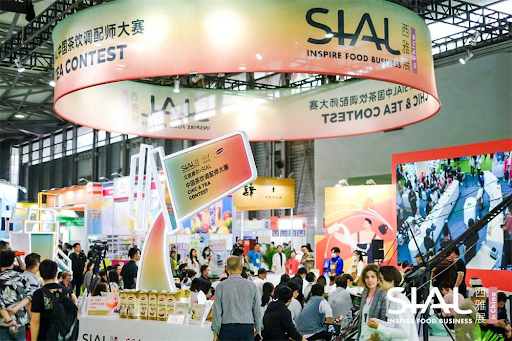
The international food market has entered a new era where innovation moves faster than ever. Consumer expectations are changing, businesses are expanding across borders, and competition is becoming more intense in almost every category. In response to these shifts, the modern food and beverage exhibition has evolved into a critical space for companies that want to remain visible and competitive.
These exhibitions are no longer simple trade gatherings. They now function as large-scale business platforms where global suppliers, manufacturers, retailers, and distributors interact directly. For many companies, participating in a major international exhibition is one of the most effective ways to strengthen market presence and identify future growth opportunities. At the center of this global expansion, every large china fair continues attracting increasing international attention because of its influence on worldwide trade.
The Business Environment Created by International Exhibitions
Trade exhibitions create a unique atmosphere that is difficult to replicate through online communication alone. Businesses can explain their products directly, answer questions immediately, and build trust in a much more natural way. In industries connected to food and beverages, direct interaction matters even more because buyers often evaluate packaging quality, ingredients, and product presentation before making decisions.
A food and beverage exhibition allows companies to present their identity beyond simple advertising. Visitors experience the brand firsthand through tastings, demonstrations, and conversations with representatives. This creates stronger engagement and often leads to more productive business discussions. For buyers, exhibitions also save time. Instead of contacting multiple suppliers separately, they can compare products and negotiate with different companies in one location.
Why China Fair Events Continue Expanding Globally
International companies increasingly recognize the strategic value of participating in a china fair. China’s role in global manufacturing, distribution, and consumer demand makes these exhibitions highly influential within the food sector. One important reason behind this popularity is scale. Many exhibitions in China host thousands of exhibitors representing multiple food categories and technologies. This diversity gives visitors access to a wide range of products and services during a single event.
Businesses attending these fairs often look for:
- Import and export opportunities
- Regional distribution partnerships
- New food trends
- Cost-effective sourcing solutions
- Innovative packaging technologies
The ability to connect with both Asian and international markets simultaneously makes every major china fair especially valuable for companies aiming to expand globally.
How Buyer Expectations Are Changing Exhibition Strategies
The modern food consumer is more informed than ever before. People now care about ingredients, sustainability, health benefits, and ethical sourcing. These expectations are directly influencing how companies present themselves at international exhibitions. Today, a food and beverage exhibition is not only about displaying products. Businesses must also communicate transparency, environmental responsibility, and long-term brand values.
As a result, exhibition booths increasingly focus on storytelling rather than simple product promotion. Companies use visual experiences, interactive presentations, and live demonstrations to create emotional connections with visitors. This shift shows how exhibitions are adapting to modern marketing psychology and consumer behavior.
Innovation Is Becoming the Main Attraction
One of the biggest reasons buyers attend global exhibitions is to discover new ideas before they become mainstream trends. Innovation areas at modern events often include:
Alternative Protein Products
Plant-based foods and meat substitutes continue attracting strong international demand.
Smart Packaging Solutions
Packaging technologies designed to extend shelf life and reduce waste are receiving major attention.
Functional Foods
Products that support energy, immunity, or wellness are becoming increasingly popular among health-conscious consumers.
Sustainable Manufacturing
Environmentally responsible production systems are now a major selling point for many brands. A successful china fair often highlights these emerging sectors because they represent the future direction of the food industry.
Exhibitions Are Becoming More Experience-Oriented
Traditional exhibitions focused heavily on product displays, but modern events prioritize engagement and interaction. Visitors now expect experiences that feel memorable and informative. This has led organizers to include:
- Live cooking shows
- Product tasting zones
- Interactive workshops
- Networking lounges
- Industry discussion panels
These additions improve visitor engagement while helping brands create stronger impressions. For exhibitors, creating a positive experience can often be more valuable than traditional advertising because personal interaction builds stronger trust and recall.
Opportunities for Emerging Brands
International exhibitions are no longer dominated only by large corporations. Smaller companies and startups now play a significant role in attracting buyer attention. Consumers increasingly appreciate niche products, authentic flavors, and creative concepts. This gives smaller brands opportunities to stand out at a food and beverage exhibition despite limited marketing budgets.
A well-presented booth with a unique product idea can generate significant interest from distributors and retailers searching for something different. Many young businesses have expanded internationally after forming connections during a single china fair event.
The Influence of Technology on Modern Trade Events
Technology is changing how exhibitors and visitors interact. Digital systems now help businesses maximize networking opportunities and improve efficiency.
Common features at modern exhibitions include:
- AI-based visitor matching
- Mobile scheduling applications
- Virtual exhibition platforms
- QR-based product catalogs
- Online follow-up systems
These tools allow exhibitors to collect valuable data and continue conversations long after the event ends. Hybrid participation models have also increased accessibility for companies unable to travel internationally. This digital transformation is helping exhibitions remain relevant in an increasingly connected business environment.
Long-Term Industry Impact of Global Exhibitions
The influence of international trade fairs extends far beyond immediate business transactions. These events shape market direction, influence purchasing decisions, and help businesses understand changing global demand. Companies that consistently participate in exhibitions often gain stronger industry awareness because they remain connected to innovation and evolving consumer preferences.
A food and beverage exhibition also helps businesses identify gaps in the market, discover partnership opportunities, and strengthen global visibility. As international competition continues growing, these exhibitions are becoming even more important for companies seeking sustainable expansion.
Conclusion
Global exhibitions have become essential drivers of growth within the modern food industry. A food and beverage exhibition provides businesses with direct access to buyers, emerging trends, and valuable networking opportunities that are difficult to achieve through digital channels alone.
At the same time, every major china fair continues strengthening its position as an influential platform for international trade and business development. Companies that actively participate in these events are often better prepared to adapt to market changes, build strong partnerships, and compete successfully in the global food economy.
FAQs
What is the purpose of a food and beverage exhibition?
These exhibitions help businesses showcase products, meet buyers, and explore new opportunities within the global food industry.
Why is a china fair important for international companies?
A china fair offers access to major Asian markets while connecting businesses with international buyers and suppliers.
What industries participate in food exhibitions?
Food manufacturing, beverages, packaging, logistics, food technology, and ingredient suppliers commonly participate.
How do startups benefit from international exhibitions?
Startups gain visibility, attract distributors, and build credibility through direct exposure to industry professionals.
Are trade exhibitions still important in the digital era?
Yes, exhibitions remain highly valuable because face-to-face interaction builds stronger trust and business relationships.




I enjoy what you guys are usually up too. Such clever work and coverage!
Keep up the very good works guys I’ve included you guys to my own blogroll.
xnxx