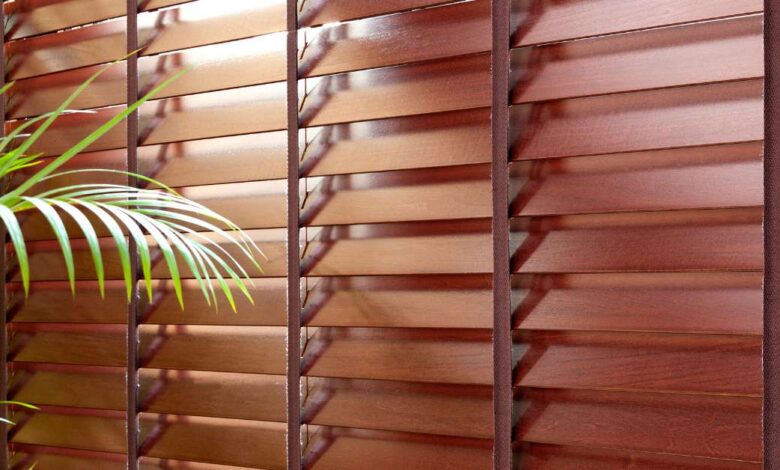
Few window treatments add warmth to a room the way wood does. Wooden and faux-wood blinds bring natural texture and a timeless, high-end feel that works in everything from a country cottage to a city flat. The trick is knowing which material to choose where.
The appeal of real timber
Genuine wooden blinds have a depth of grain and a light, natural warmth that synthetic materials only approximate. They suit dry living spaces, studies and bedrooms beautifully, and the timber slats feel substantial and considered. Their one weakness is moisture, which can warp real wood over time.
When faux-wood wins
In kitchens, bathrooms and conservatories, faux-wood is the smarter pick. It looks almost identical to timber but resists humidity, warping and fading, so it lasts where real wood struggles. It is also more affordable and heavier, which some people prefer for the way it hangs.
Styling with wood
Wood blinds anchor a living room scheme with natural warmth, pairing well with soft furnishings and greenery. Choose a light oak finish for an airy, Scandinavian feel, or a deeper walnut for a richer, more traditional look. Wider slats read as more contemporary.
Wood as a Venetian
Most wood blinds are built as Venetian-style blinds, giving you the tilt control to angle light exactly as you want while enjoying the texture of the wood. It is the combination of warmth and precision that makes them so popular.
Caring for wood blinds
Wood and faux-wood blinds are low-maintenance, but a little care keeps them looking their best. Dust settles along the slats, so a regular wipe with a dry cloth or a soft brush attachment keeps them crisp. Faux-wood can be cleaned with a barely-damp cloth; real timber prefers to stay dry, so keep it to dusting and avoid soaking it, which can mark or warp the wood over time.
Sunlight is the other thing to watch. In a very bright, south-facing room, real timber can fade or lighten unevenly over the years, which is another reason faux-wood — colour-stable and fade-resistant — often wins in sun-drenched spaces. Tilting the slats closed when a room is unused during the brightest part of the day helps protect the finish and keeps the colour even across the whole blind.
Whether you go for the real thing or a hard-wearing faux-wood, timber-look blinds bring a warmth that lifts a whole room. Match real wood to dry spaces and faux-wood to damp ones, and you get the look you love in a form that lasts.
Weight and fitting
Wood and faux-wood blinds are heavier than fabric ones, which affects fitting. Larger windows may need an extra central bracket for support, and the headrail should be fixed into something solid. Faux-wood is heavier still than real timber, so factor that in on wide windows. None of this is difficult, but it is worth checking the fixings suit the weight before you hang them, especially on a plasterboard reveal. Get the mounting right and a wood blind hangs beautifully and operates smoothly for many years, justifying its place as a long-term investment rather than a quick fix.