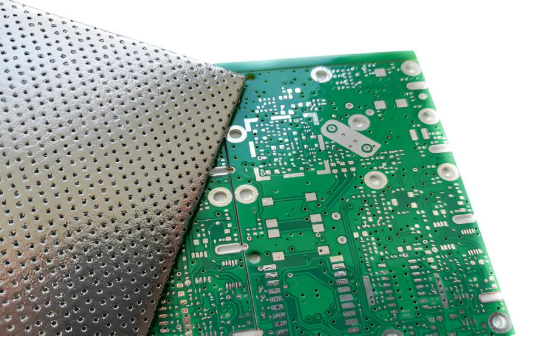
As electronic devices continue to become more powerful and compact, managing heat and ensuring long-term reliability have become critical challenges in PCB design. Traditional materials such as FR4 are suitable for many applications, but in high-temperature or high-power environments, advanced materials are required. One such solution is the ceramic PCB, a specialized circuit board designed to deliver excellent thermal performance, electrical stability, and durability.
Ceramic PCBs are widely used in industries where performance under extreme conditions is essential. Understanding their structure, properties, and applications can help engineers and businesses choose the right PCB technology for demanding requirements.
What Is a Ceramic PCB?
A ceramic PCB is a type of printed circuit board that uses ceramic material as the substrate instead of traditional fiberglass-based materials. Common ceramic materials include aluminum oxide (Al₂O₃), aluminum nitride (AlN), and silicon nitride (Si₃N₄).
These materials provide superior thermal conductivity, allowing heat to dissipate quickly from electronic components. This makes ceramic PCBs ideal for high-power applications where heat management is critical.
In addition to thermal performance, ceramic PCBs offer excellent electrical insulation and stability, making them suitable for high-frequency and high-voltage applications.
Key Properties of Ceramic PCBs
The performance of a ceramic PCB is defined by its unique material properties. One of the most important characteristics is high thermal conductivity. Ceramic materials can efficiently transfer heat away from components, reducing the risk of overheating and improving device reliability.
Another key property is excellent electrical insulation. Ceramic substrates prevent electrical leakage while supporting high-voltage applications.
Ceramic PCBs also offer outstanding thermal stability. They can withstand extreme temperatures without deforming or degrading, making them suitable for harsh environments.
Mechanical strength is another advantage. Despite being lightweight, ceramic materials are strong and resistant to wear and corrosion.
In addition, ceramic PCBs have low thermal expansion, which helps maintain structural integrity and prevents cracking during temperature changes.
Structure of a Ceramic PCB
The structure of a ceramic PCB differs from traditional PCBs due to the use of ceramic materials. The base layer is the ceramic substrate, which provides both mechanical support and thermal conductivity.
On top of the substrate, conductive layers are applied to form the circuit patterns. These layers are typically made of copper or other conductive materials.
Unlike standard PCBs that use laminated copper foil, ceramic PCBs often use processes such as direct bonded copper (DBC) or thick film technology to attach the conductive layer to the substrate.
A protective layer may be applied to shield the circuits from environmental damage. In some designs, additional layers are added to create multilayer ceramic PCBs for more complex circuits.
The overall structure is designed to maximize thermal performance while maintaining electrical reliability.
Manufacturing Process of Ceramic PCBs
The manufacturing of a ceramic PCB involves specialized techniques that differ from standard PCB fabrication. The process begins with selecting the appropriate ceramic substrate based on the application requirements.
In the direct bonded copper method, copper foil is bonded directly to the ceramic substrate using high temperature and controlled conditions. This creates a strong and thermally efficient connection.
In thick film processes, conductive paste is printed onto the ceramic surface and then fired at high temperatures to form the circuit pattern.
After forming the conductive layers, the board may undergo drilling or laser machining to create holes and features. Additional layers can be added for multilayer designs.
The board is then finished and tested to ensure it meets performance and quality standards.
Advantages of Ceramic PCBs
One of the main advantages of a ceramic PCB is its superior heat dissipation. This makes it ideal for applications where thermal management is critical, such as power electronics and LED lighting.
Another benefit is high reliability. Ceramic PCBs can operate in extreme temperatures and harsh environments without degrading.
They also offer excellent electrical performance, including low signal loss and high insulation, making them suitable for high-frequency and high-voltage applications.
The durability of ceramic materials ensures long-term performance, reducing maintenance and replacement costs.
Additionally, ceramic PCBs are resistant to chemicals and corrosion, making them suitable for industrial and outdoor applications.
Applications of Ceramic PCBs
The unique properties of ceramic PCB technology make it suitable for a wide range of industries. In LED lighting, ceramic PCBs are used to manage heat in high-power LED systems, improving efficiency and lifespan.
In the automotive industry, these boards are used in power control systems, sensors, and lighting applications that require high reliability.
Aerospace and defense applications rely on ceramic PCBs for their ability to perform in extreme temperatures and challenging environments.
Medical devices, such as imaging systems and diagnostic equipment, use ceramic PCBs for their precision and reliability.
Industrial equipment, including power modules and high-voltage systems, also benefits from the performance of ceramic PCBs.
Telecommunications equipment uses ceramic PCBs for high-frequency signal transmission and stable performance.
Design Considerations for Ceramic PCBs
Designing a ceramic PCB requires careful consideration of thermal, electrical, and mechanical factors. Engineers must select the appropriate ceramic material based on thermal conductivity and electrical requirements.
Component placement should be optimized to maximize heat dissipation. High-power components should be positioned to take full advantage of the ceramic substrate’s thermal properties.
The choice of bonding method, such as direct bonded copper or thick film technology, can impact performance and manufacturing complexity.
Designers must also consider cost, as ceramic PCBs are generally more expensive than traditional boards.
Proper layout and design techniques can help achieve the desired balance between performance and cost.
Conclusion
The ceramic PCB is a high-performance solution for electronic applications that require exceptional thermal management, electrical stability, and durability. Its ability to operate under extreme conditions makes it ideal for industries such as LED lighting, automotive, aerospace, medical, and industrial systems.
As technology continues to demand higher performance and reliability, ceramic PCBs will play an increasingly important role in advanced electronic designs. Businesses seeking high-quality and dependable circuit boards often partner with an experienced ceramic PCB manufacturer to ensure precision, durability, and consistent performance in their products.