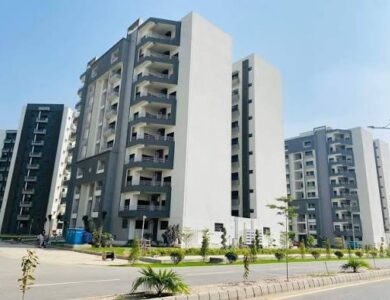
Choosing a home involves several factors, and one of the most important is its distance from the workplace. Many people spend a significant part of their day traveling to and from work. A long commute can affect daily schedules, reduce personal time, and increase travel expenses. Because of this, buyers and families often consider workplace accessibility before selecting a property.
Living close to an office does not simply reduce travel time. It also creates a better daily routine, allowing residents to spend more time with family, focus on personal activities, and enjoy a more balanced lifestyle. This is why workplace proximity continues to play a major role in housing decisions.
Shorter Commute Saves Valuable Time
One of the biggest advantages of living near the workplace is the time saved every day. Even reducing the commute by thirty minutes can make a noticeable difference over weeks and months.
Less time spent on the road means residents can begin their day with less stress. They can return home earlier, spend time with family, exercise, or simply relax after work. This extra time often improves overall satisfaction with daily life.
For people with fixed office hours, reducing travel time also helps maintain a consistent routine throughout the week.
Daily Travel Becomes More Convenient
Traffic congestion is a common challenge in many cities. A home located closer to business districts allows residents to avoid spending long hours in traffic.
A shorter distance also provides more flexibility in choosing transportation. Some people may drive, while others may prefer public transport. In certain locations, walking or cycling may even become practical options.
This convenience makes everyday travel simpler and helps reduce unnecessary fatigue caused by extended commuting.
Better Work Life Balance
A long commute often leaves very little time for personal activities. After spending several hours traveling, people may feel tired before they even reach home.
Living closer to the workplace allows residents to manage their schedules more effectively. Parents can spend more time with their children. Individuals can participate in hobbies, fitness programs, or community activities without feeling rushed.
A balanced routine also supports better physical and mental well being by reducing the stress associated with daily travel.
Access to Essential Facilities
Business areas are usually supported by various public facilities. Schools, hospitals, supermarkets, restaurants, and shopping centers are often located within a reasonable distance.
This allows residents to complete daily tasks without traveling long distances. Grocery shopping, medical appointments, and other routine activities become easier to manage.
Having these services nearby adds convenience to everyday life and supports better planning for families.
Property Value Over Time
Homes located near major employment zones often remain attractive to buyers because workplace accessibility continues to be an important consideration.
As more companies establish offices in developing locations, residential demand in nearby areas may also increase. This keeps interest in such properties steady over time.
Many buyers consider this factor while selecting a home because a well connected location continues to attract future residents.
Suitable for Different Types of Buyers
The importance of workplace proximity is not limited to working professionals. Families, first time buyers, and retirees also benefit from living in well connected neighborhoods.
Working professionals appreciate shorter travel times. Families enjoy easy access to schools and daily services. Older residents often prefer locations where hospitals, pharmacies, and essential facilities are easily reachable.
Because of these advantages, homes near employment centers appeal to a wide range of buyers.
Choosing the Right Location
While workplace distance is important, buyers should also evaluate the overall neighborhood before making a decision.
Road connectivity, public transport, nearby educational institutions, healthcare facilities, parks, and shopping options all contribute to a comfortable living experience. A location that offers these features can support daily life for many years.
Buyers should also visit the neighborhood at different times of the day to understand traffic conditions and the surrounding environment before making a final choice.
Why Porur Continues to Attract Homebuyers
Porur has developed into one of the preferred residential locations because of its connectivity to several major business areas. The area provides access to schools, hospitals, retail stores, and entertainment facilities, making it suitable for families and professionals alike.
Many buyers searching for Apartments in Porur appreciate the balance between residential comfort and access to nearby employment hubs. The availability of public transport and major road connections also supports convenient daily travel.
As commercial activity continues to expand in nearby locations, demand for residential properties in Porur remains steady.
Final Thoughts
Distance from the workplace continues to influence housing decisions for many buyers. A shorter commute can reduce travel time, improve daily routines, and create more opportunities to spend time on personal activities. Easy access to public services and business districts also adds long term value to a residential location.
Before purchasing a home, buyers should carefully compare travel convenience, surrounding infrastructure, and everyday accessibility. Considering these factors together helps in selecting a property that supports both present and future needs.
For buyers evaluating Apartments in Porur, workplace connectivity remains one of the practical factors that contributes to a comfortable and convenient lifestyle.