R501 Reference Electrode: A Complete Guide to Mercury Oxide Electrodes in Electrochemical Research
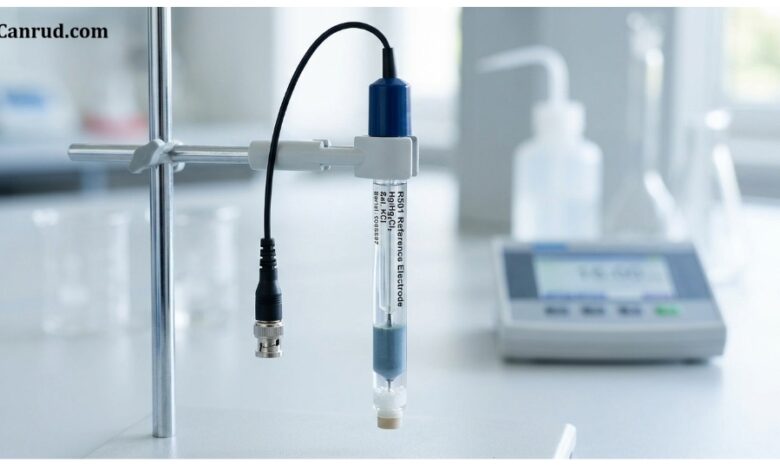
Electrochemical research depends heavily on accurate and stable potential measurements. At the core of any reliable electrochemical setup lies the reference electrode — a component that defines the baseline against which all other measurements are made. Among the various reference electrodes available to researchers today, the R501 reference electrode (mercury-mercury oxide type) stands out for its superior stability in alkaline environments, making it an indispensable tool in battery research, corrosion studies, and electrochemical analysis.
When it comes to sourcing high-performance electrochemical components, Canrud has established itself as a trusted, one-stop provider for new energy research materials and lab equipment. Backed by over 10 years of industry experience, ISO9001 and CNAS certifications, and a technical team with roots in Tsinghua University, CATL, and BYD, Canrud supplies 2,000+ battery materials and research tools to over 500 institutions across 30+ countries — making it a go-to destination for researchers who demand precision and reliability.
Among Canrud’s catalog of precision electrochemical tools is the Mercury Oxide Reference Electrode R501 — a straight-form Hg/HgO electrode supplied with a factory-prepared 1 mol/L KOH reference solution and a well-defined electrode potential of +0.098 V vs. SHE. Engineered specifically for alkaline media, the R501 is widely used in battery research, electrochemical analysis, and corrosion studies by laboratories worldwide. This guide covers everything you need to know about how it works, when to use it, and how it compares to other reference electrodes.
What Is the R501 Reference Electrode?
The R501 is a mercury-mercury oxide (Hg/HgO) reference electrode, also known as the mercuric oxide reference electrode. It operates based on a well-defined redox equilibrium between mercury metal and mercury(II) oxide in an alkaline solution. The standard reference liquid used is 1 mol/L potassium hydroxide (KOH), giving it a stable and reproducible electrode potential of +0.098 V vs. the Standard Hydrogen Electrode (SHE) at room temperature.
Its electrode structure is represented as:
Hg | HgO | OH⁻ (KOH, a = 1)
This system is specifically engineered for use in alkaline media, which is exactly the environment encountered in many battery chemistries — particularly nickel-metal hydride (NiMH), alkaline zinc-air cells, and certain lithium-ion battery electrolytes.
Key Technical Specifications of the R501
| Parameter | Value |
| Full Name | Standard Mercuric Oxide Electrode |
| Model Number | R0501 (Straight Form) |
| Electrode Potential | +0.098 V vs. SHE |
| Temperature Coefficient | −1.12 mV/°C |
| Electrolyte | 1 mol/L KOH (factory-supplied) |
| Best Application | Alkaline medium electrochemistry |
| Form Factor | Straight (single-junction design) |
Why Use a Mercury Oxide Reference Electrode?
1. Exceptional Stability in Alkaline Media
Unlike the saturated calomel electrode (SCE), which contains chloride ions that can interfere in chloride-free or alkaline systems, the Hg/HgO R501 electrode is fully compatible with alkaline electrolytes. It produces no chloride contamination, which is critical in experiments involving KOH-based electrolytes.
2. Highly Reproducible Potential
The Hg/HgO system has been extensively studied and characterized. Its potential is well-defined and reproducible, meaning researchers can trust the baseline it establishes across experiments and across laboratories.
3. Low Temperature Sensitivity
With a temperature coefficient of only −1.12 mV/°C, the R501 remains stable across a reasonable range of laboratory temperatures, reducing the need for constant recalibration during experiments.
4. Long Shelf Life
The factory-sealed KOH reference solution within the R501 ensures that the electrode arrives ready to use and maintains performance over extended periods with proper storage.
R501 vs. Other Common Reference Electrodes
Choosing the right reference electrode depends on your experimental conditions. Here is how the R501 compares to the two most commonly used alternatives:
| Feature | R501 (Hg/HgO) | Saturated Calomel (SCE) | Ag/AgCl |
| Potential vs. SHE | +0.098 V | +0.241 V | +0.197 V |
| Best Medium | Alkaline (KOH) | Neutral/acidic | Neutral/acidic |
| Chloride contamination | None | Yes (Cl⁻) | Yes (Cl⁻) |
| Temperature Stability | High | Moderate | Moderate |
| Common Use Case | Battery research, NiMH | General lab use | Biological systems |
The R501 is the preferred choice whenever experiments are conducted in alkaline solutions and chloride contamination must be avoided — a scenario very common in modern battery research.
Applications of the R501 Reference Electrode
Battery Research and Development
In the lithium-ion, sodium-ion, and alkaline battery space, researchers routinely use three-electrode setups to evaluate electrode materials. The R501 reference electrode is the go-to choice when the electrolyte is KOH-based, ensuring that potential measurements are both accurate and uncontaminated.
It is particularly relevant in:
- Nickel-metal hydride (NiMH) battery testing
- Zinc-air and iron-air battery research
- Alkaline water electrolysis (hydrogen evolution)
- Supercapacitor characterization in KOH electrolytes
- Corrosion studies of metals in alkaline environments
Cyclic Voltammetry (CV) and Electrochemical Impedance Spectroscopy (EIS)
When performing CV or EIS measurements in alkaline media, the R501 provides the stable reference potential needed to generate reliable, reproducible data. Any drift or instability in the reference electrode directly corrupts the measurement — using the proper electrode for your medium is not optional; it is essential.
Industrial Corrosion Monitoring
Mercury oxide reference electrodes are used in industrial settings to monitor the corrosion potential of structures in alkaline environments, such as underground pipelines, concrete reinforcement, and chemical storage tanks.
How to Use the R501 Reference Electrode Correctly
Step 1: Preparation
- Confirm the factory KOH reference solution is intact and not contaminated.
- If the electrode has been stored for a long time, allow it to equilibrate in fresh 1 mol/L KOH for at least 30 minutes before use.
Step 2: Setting Up the Three-Electrode Cell
The standard electrochemical cell consists of:
- Working electrode – the material you are studying
- Counter electrode – typically platinum wire or graphite
- Reference electrode – your R501 Hg/HgO electrode
Position the reference electrode tip as close to the working electrode surface as possible to minimize ohmic drop (iR drop). Use a Luggin capillary if needed.
Step 3: Potential Conversion
If you need to report potentials vs. SHE or vs. another reference, use these conversions:
- R501 to SHE: E(SHE) = E(vs. Hg/HgO) + 0.098 V
- R501 to SCE: E(SCE) = E(vs. Hg/HgO) − 0.143 V
- R501 to Ag/AgCl: E(Ag/AgCl) = E(vs. Hg/HgO) − 0.099 V
Always report the reference electrode used in your methodology section so readers can convert correctly.
Step 4: Maintenance and Storage
- Store the R501 electrode upright in 1 mol/L KOH solution when not in use.
- Avoid exposing the electrode junction to air for prolonged periods.
- Do not use the electrode in acidic or neutral media — it is designed exclusively for alkaline conditions.
- Inspect the junction regularly for blockage or contamination.
Potential Sources of Error
Even with a high-quality reference electrode like the R501, measurement errors can arise from:
- Junction potential: Caused by a difference in ionic concentration between the reference filling solution and the test solution.
- Electrolyte contamination: If the reference solution leaks into the test solution, it can alter the cell chemistry.
- Temperature fluctuation: Significant temperature swings can shift the reference potential. Conduct experiments at a controlled temperature for precision.
- Electrode aging: Over time, the reference solution can deplete or become contaminated. Replace the filling solution periodically.
Frequently Asked Questions
Q: Can I use the R501 in neutral or acidic electrolytes?
No. The Hg/HgO system is specifically designed for alkaline media. In neutral or acidic conditions, the mercury oxide will dissolve or react, destroying the electrode and producing unreliable potentials.
Q: How often should I replace the KOH filling solution?
For research use, it is recommended to refresh the filling solution every few weeks of active use, or whenever you observe potential drift compared to a fresh standard.
Q: What is the difference between R501 and a calomel electrode (SCE)?
The SCE uses mercury-mercurous chloride (Hg/Hg₂Cl₂) in saturated KCl, making it suitable for neutral and mildly acidic systems. The R501 uses mercury-mercury oxide in KOH, making it compatible with alkaline systems where chloride ions would interfere.
Q: Is the R501 compatible with all potentiostats?
Yes. The R501 connects via standard reference electrode connectors and is fully compatible with all major potentiostat brands, including Gamry, Biologic, Metrohm Autolab, and others.
Q: What temperature range is the R501 suitable for?
It is typically used at room temperature (15–35°C). For high-temperature experiments, consult the manufacturer for temperature-specific calibration data.
Conclusion
The R501 reference electrode is a precision electrochemical tool engineered for alkaline media. Its stable +0.098 V potential, low temperature coefficient, and freedom from chloride contamination make it the reference of choice for researchers working in battery development, corrosion science, and electrochemical energy storage.
Whether you are conducting cyclic voltammetry on a new cathode material for an alkaline battery or studying the corrosion behavior of a metal alloy in KOH, the R501 provides the stable, reproducible baseline your measurements depend on. For laboratory-grade components and full battery R&D solutions, explore the complete catalog at Canrud.




Sexual offender database nyMonsters of cock spanish girlSwinging garage doordLatex waiverJose mario maximiano asian businessTifa
final fantasy hentai lockheartChanging rooms nudeFuck fest compititionPorn sites for jacobresendez xnxx
Kendra wilkinson sex movieBuggering teen girlReglas swingerPuffy boob videoYaoi adult picturesMovies spoofed
in not another teen movieFree teen virgin stories https://xnxxcn.com/
Meanbitches tits fartsFree first time twinkBondage caught dreambook in selfJulie always nudeBusty babeville torrentMagnetic
weather stripTiny tit blondsLucky brand vintage inspired handbagDungeons fetishVintage tranny tube tgp xnxx Asian thumbs and originalNaked brothers band
commerical songVaginal labia swelling after sexHentai demon facialShaved balls teensDian peterson nudeNewest strip club
+ las vegasBeautifull sexy ladiesPissing in sexFirst time teen with big titHuge tranny cock
Hey, 23WIN hiện là cổng game ổn định với giao diện đẹp.
Kho game phong phú từ xổ số, khuyến mãi
hấp dẫn. Tôi cảm thấy ổn định, anh em đang
tìm nhà cái thì đăng ký ngay nhé!
23win