From Iceland to global industry. How engineering expertise supports the future of manufacturing?
Iceland may be a small market, yet its industrial environment demands technical discipline. Production sites, recycling facilities, construction projects, hydraulic systems, and automated lines depend on equipment that must keep moving. For plant managers or project leads, that makes engineering expertise less about theory and more about continuity, safety, and smart decisions.
Why industrial engineering matters beyond Iceland?
Industrial engineering connects machines, people, maintenance, fabrication, and workflow into one operating system. The goal is straightforward – keep production stable, reduce interruptions, and make equipment easier to service.
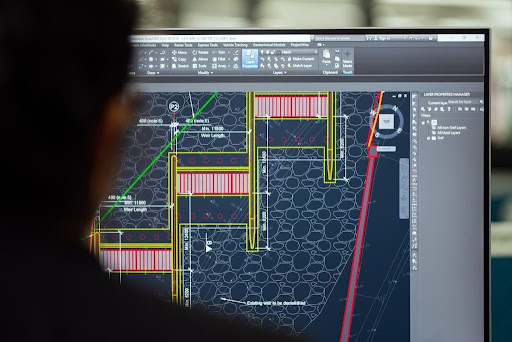
You see the value during installation and modernization. A conveyor, packaging line, pump, or robotic system rarely arrives as a simple component. Foundations, steel structures, pipework, electrical interfaces, guards, access points, and existing machinery must fit together. Technical teams need to read drawings, adjust components, coordinate contractors, and solve site issues safely.
Here, engineering companies become important technical partners for the manufacturing industry. Their contribution can cover precision machining, welding, hydraulic repair, production line assembly, preventive maintenance, and emergency service. Strong teams understand how these disciplines affect one another.
How engineering companies build reliability?
Maintenance is often described as repair work, yet modern maintenance starts earlier. Inspection data, vibration, temperature, leakage, wear patterns, lubrication, and operator feedback can reveal changes before a machine stops.
For you, the lesson is simple – reliability grows from information. A maintenance team that records recurring faults can identify weak components, poor alignment, overloaded bearings, contamination in hydraulic oil, or repeated stress in a steel structure. Engineers can then correct the source instead of repeatedly treating the symptom.
Industrial solutions need local knowledge
Iceland adds another layer to this discussion. Remote locations, weather exposure, imported machinery, and limited access to spare parts can increase the cost of delay. Local technical capacity therefore matters. A contractor able to machine a replacement part, repair a cylinder, weld a frame, or modify a line can shorten the route from fault to restart.
On https://velvorn.is/, you can find Vélvörn services covering industrial installation, steel fabrication, machining, hydraulic solutions, pipework, welding, and 24/7 emergency response. The service mix shows how one team can support different stages of an industrial asset’s life, from installation through maintenance and repair.
What manufacturing industry projects teach us?
Projects are useful because they show engineering under operating conditions. Vélvörn’s project portfolio includes packaging line work for Icelandic Water Holdings, recycling line installations for Íslenska Gámafélagið, and processing equipment for Björgun. You can review the project examples at https://velvorn.is/verkefni/.
These projects point to a broader trend. Manufacturing systems are becoming more connected, automated, and specialized. Integration skills matter as much as individual trades. A robotic sorter still depends on accurate steelwork, conveyor geometry, safe access, power, controls, and maintenance planning. A packaging line still relies on alignment, stable foundations, service access, and dependable components.