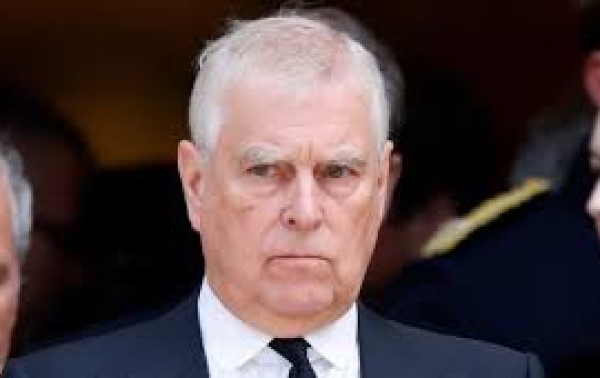
Introduction to Andrew Mountbatten-Windsor
Andrew Mountbatten-Windsor, formerly known worldwide as Prince Andrew, Duke of York, is one of the most controversial figures in modern British royal history. Born into immense privilege as the second son of Queen Elizabeth II and Prince Philip, he once enjoyed a reputation as a decorated naval officer and a prominent working royal. However, over time, his public image shifted dramatically due to a series of scandals and legal controversies that ultimately led to the loss of his royal duties and titles.
His life story reflects the complexities of monarchy in the modern era, where tradition, public accountability, and media scrutiny intersect. From his heroic service during the Falklands War to his association with disgraced financier Jeffrey Epstein, Andrew Mountbatten-Windsor’s journey has been marked by both achievement and controversy.
This comprehensive biography explores his early life, career, family relationships, controversies, and current status, offering readers a balanced and informative overview of a figure whose legacy continues to spark debate.
Early Life and Royal Background
Birth and Family Heritage
Andrew Mountbatten-Windsor was born on 19 February 1960 at Buckingham Palace in London. He was the third child and second son of Queen Elizabeth II and Prince Philip, Duke of Edinburgh. As a member of the British royal family, he was raised in an environment steeped in tradition, privilege, and public duty.
Being born into royalty meant that Andrew’s life was closely monitored from the very beginning. He grew up alongside his siblings—King Charles III, Princess Anne, and Prince Edward—within the strict framework of royal expectations.
Education and Early Interests
Andrew attended several prestigious schools during his youth, including Heatherdown School in Berkshire, Gordonstoun School in Scotland, and Lakefield College School in Canada.
At school, he developed a strong interest in sports, particularly cricket and skiing. He also showed an early fascination with aviation and the military, which would later shape his career path.
Military Career and Service in the Royal Navy
Joining the Royal Navy
In 1979, Andrew Mountbatten-Windsor joined the Royal Navy as a cadet. His decision to pursue a military career was widely praised, as it demonstrated a commitment to national service rather than relying solely on royal privilege.
He trained as a helicopter pilot and quickly earned a reputation for professionalism and discipline. His military career would become one of the defining chapters of his life.
Role in the Falklands War
Andrew gained significant public admiration during the Falklands War in 1982. He served as a helicopter pilot aboard the aircraft carrier HMS Invincible, participating in dangerous missions during the conflict between the United Kingdom and Argentina.
His responsibilities included flying anti-submarine missions, transporting troops and supplies, and acting as a decoy to draw enemy fire.
Despite concerns for his safety, he insisted on remaining on active duty. His service during the war strengthened his image as a courageous and dedicated member of the royal family.
Promotion and Retirement
Over the years, Andrew advanced through the ranks of the Royal Navy, eventually achieving the rank of Commander. He served for more than two decades before retiring from active service in 2001.
His military career remains one of the few aspects of his life that continues to receive widespread respect.
Royal Duties and Public Roles
The Duke of York Title
In 1986, Andrew was granted the title Duke of York, one of the most prestigious titles within the British peerage. The title historically carries significant status and responsibility, often associated with the monarch’s second son.
As the Duke of York, he undertook numerous official engagements both within the United Kingdom and internationally.
International Trade Representative
After leaving the Navy, Andrew transitioned into a diplomatic role as the United Kingdom’s Special Representative for International Trade and Investment. In this position, he travelled extensively to promote British business interests abroad.
His responsibilities included supporting British companies in global markets, building relationships with foreign governments, and encouraging international investment in the United Kingdom.
While initially successful, this role later attracted criticism due to allegations of inappropriate associations with controversial figures.
Marriage, Divorce, and Family Life
Marriage to Sarah Ferguson
Andrew married Sarah Ferguson, often known as Fergie, on 23 July 1986 in a lavish ceremony at Westminster Abbey. Their wedding was watched by millions of people around the world and symbolised a new generation of modern royalty.
The couple had two daughters: Princess Beatrice and Princess Eugenie.
Despite their high-profile relationship, their marriage faced intense media scrutiny. Financial pressures, frequent travel, and public attention placed significant strain on their relationship.
Divorce and Continued Friendship
In 1996, Andrew and Sarah officially divorced after several years of separation. However, unlike many royal divorces, they maintained a close friendship and continued to support each other publicly.
Their unusual post-divorce relationship has often been described as one of the most amicable separations within the royal family.
Controversies and Public Criticism
Association with Jeffrey Epstein
The most damaging controversy involving Andrew Mountbatten-Windsor centres on his relationship with American financier Jeffrey Epstein, who was convicted of serious criminal offences.
Andrew faced widespread criticism for maintaining contact with Epstein even after his conviction. The situation intensified when allegations emerged linking Andrew to Epstein’s activities.
The scandal attracted global media attention and significantly damaged his reputation.
Legal Disputes and Settlement
In 2022, Andrew reached a financial settlement in a civil lawsuit filed by Virginia Giuffre, who accused him of misconduct. The settlement was made without an admission of guilt, but it marked a turning point in his public life.
The case resulted in intense public scrutiny, loss of military titles, and removal from official royal duties.
Loss of Royal Status
In response to mounting pressure, Andrew stepped back from public duties in 2019. Over time, he lost many of his honorary roles and patronages.
This decision represented one of the most significant falls from grace in modern royal history.
Financial Standing and Net Worth
Andrew Mountbatten-Windsor’s financial situation has been a subject of considerable speculation. While exact figures remain private, estimates suggest that his wealth comes from a combination of royal inheritance, property holdings, and investments.
His assets have reportedly included royal residences, pension income from military service, and financial support from family resources.
However, legal costs and settlements have placed financial strain on his resources in recent years.
Public Image and Media Perception
From War Hero to Controversial Figure
For much of his early life, Andrew was viewed as a confident and charismatic royal. His service in the Falklands War earned him respect, and his role as a trade ambassador positioned him as a global representative of British interests.
However, public opinion shifted dramatically following the Epstein scandal. Media coverage became increasingly critical, portraying him as out of touch with modern expectations of accountability.
Reputation in the Modern Era
Today, Andrew’s reputation remains deeply divided. Some observers continue to recognise his military achievements, while others focus on the controversies that overshadowed his career.
His story highlights the challenges faced by public figures in maintaining trust in an age of intense media scrutiny.
Current Life and Status
Withdrawal from Public Duties
Andrew Mountbatten-Windsor no longer performs official royal engagements. He lives a largely private life compared to his earlier years in the public spotlight.
This withdrawal reflects a broader shift within the British monarchy towards greater transparency and accountability.
Relationship with the Royal Family
Despite his controversies, Andrew remains a member of the royal family. He continues to maintain relationships with his daughters and other relatives, though his public role has been significantly reduced.
His situation illustrates the delicate balance between personal loyalty and institutional responsibility within the monarchy.
Legacy and Historical Significance
A Cautionary Tale for Modern Royalty
Andrew Mountbatten-Windsor’s life serves as a cautionary example of how privilege and public responsibility can collide. His rise as a respected naval officer and royal ambassador demonstrated the potential for positive influence, while his later controversies revealed the consequences of poor judgement.
Historians and commentators often cite his story as evidence of the evolving expectations placed on public figures in democratic societies.
Impact on the British Monarchy
The controversies surrounding Andrew have had lasting implications for the royal family. They prompted reforms in how the monarchy manages public relations, transparency, and accountability.
His experiences have also influenced discussions about the future role of royalty in modern Britain.
Conclusion
Andrew Mountbatten-Windsor remains one of the most complex and controversial figures associated with the British royal family. His life has been shaped by privilege, duty, achievement, and scandal in equal measure. From his distinguished service in the Royal Navy to the controversies that led to his withdrawal from public life, his story reflects the pressures faced by individuals living under constant public scrutiny.
While his legacy continues to evolve, there is little doubt that his experiences will remain a significant chapter in the history of the British monarchy for years to come.