Understanding Fibroblast Treatment
Fibroblast treatment is a non-surgical cosmetic procedure designed to tighten and rejuvenate the skin using plasma energy. It is commonly used for mild to moderate skin laxity and is often chosen by individuals looking for a non-invasive alternative to surgical procedures.
While some people exploring options such as hair transplant in Southampton are focused on restoration treatments for hair loss, fibroblast treatment targets skin texture, firmness, and overall facial rejuvenation instead of hair restoration.
The procedure is also known as plasma skin tightening and is used on different areas of the face and body.
How Fibroblast Treatment Works
The Science Behind The Procedure
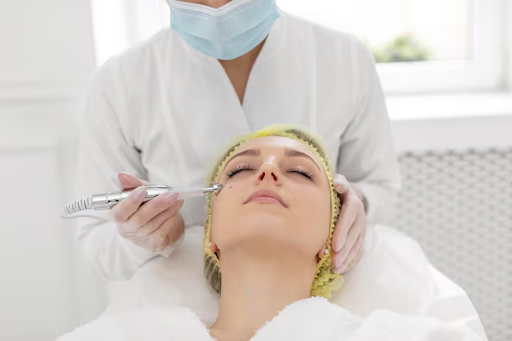
Fibroblast treatment uses a device that delivers a small electrical arc of plasma energy close to the skin’s surface. This energy creates controlled micro-injuries, which stimulate the skin’s natural healing response.
As the skin heals, it produces more collagen and elastin, which are essential proteins responsible for skin firmness and elasticity.
Treatment Process
The procedure typically involves:
- Application of numbing cream
- Targeted plasma energy delivery to the skin
- Formation of tiny carbon crusts on treated areas
- Natural healing and regeneration over time
The treated skin gradually tightens as new collagen forms.
Areas Commonly Treated
Fibroblast treatment can be used on several areas, including:
Facial Areas
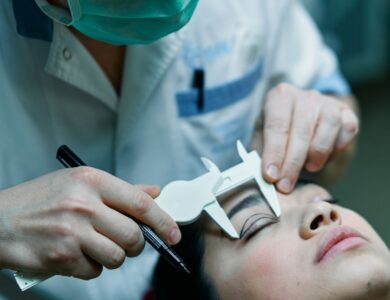
- Upper eyelids
- Lower eyelids
- Forehead lines
- Crow’s feet
- Smile lines
Body Areas
- Neck skin laxity
- Abdomen
- Stretch marks (in some cases)
- Loose skin on arms
The treatment is often chosen for delicate areas where surgical options may not be preferred.
Benefits Of Fibroblast Treatment
Non-Surgical Skin Tightening
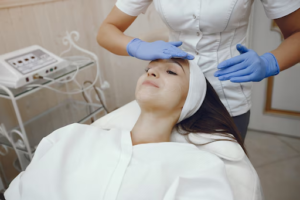
One of the main advantages is that fibroblast treatment provides skin tightening without surgery, incisions, or stitches.
Collagen Stimulation
The procedure encourages the body’s natural collagen production, leading to gradual and natural-looking improvements in skin firmness.
Minimal Downtime Compared To Surgery
Although there is a healing period, fibroblast treatment generally involves less downtime than surgical procedures.
Targeted Treatment
The device allows precise treatment of small areas, making it suitable for fine lines and localised skin laxity.
What To Expect During The Procedure
Consultation And Assessment
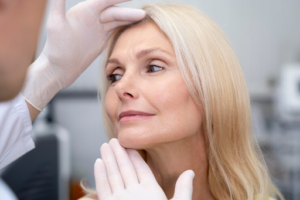
Before treatment, a practitioner will assess:
- Skin condition and elasticity
- Areas of concern
- Suitability for fibroblast treatment
- Medical history
This helps determine whether the treatment is appropriate.
During The Session
Patients can expect:
- Application of numbing cream for comfort
- Use of a plasma device close to the skin surface
- A warm or mild stinging sensation during treatment
- Small dark dots forming on treated areas
The session length depends on the size of the treatment area.
Recovery After Fibroblast Treatment
Immediate Aftercare
After the procedure, it is normal to experience:
- Redness and swelling
- Small carbon crusts (dots) on the skin
- Tight or warm sensation in treated areas
These crusts should not be picked as they protect the healing skin underneath.
Healing Timeline
Recovery typically follows this pattern:
- First few days: swelling and redness
- 5–10 days: crusts naturally fall off
- 2–6 weeks: gradual skin tightening begins
- 2–3 months: full results become more visible
Results Of Fibroblast Treatment
Gradual Improvement
Results from fibroblast treatment develop gradually as collagen production increases. Skin may appear:
- Firmer
- Smoother
- More lifted
- More even in texture
Longevity Of Results
Results can last for several years, depending on:
- Age
- Skin condition
- Lifestyle factors
- Sun exposure
- Natural ageing process
Maintenance treatments may be recommended over time.
Risks And Considerations
Like all cosmetic procedures, fibroblast treatment carries potential risks, including:
- Temporary swelling
- Redness or sensitivity
- Hyperpigmentation or pigmentation changes
- Small risk of scarring if aftercare is not followed properly
Choosing a trained and experienced practitioner helps reduce these risks.
Who Is Suitable For Fibroblast Treatment
Fibroblast treatment may be suitable for individuals who:
- Have mild to moderate skin laxity
- Prefer non-surgical options
- Want improvement in fine lines or wrinkles
- Have realistic expectations about results
It may not be suitable for individuals with certain skin conditions or very severe skin laxity.
Fibroblast Treatment Compared To Other Options
Compared To Surgery
Unlike surgical skin tightening, fibroblast treatment:
- Does not require incisions
- Has shorter recovery time
- Produces more gradual results
However, surgery may provide more dramatic lifting effects.
Compared To Injectables
Unlike dermal fillers or anti-wrinkle injections, fibroblast treatment works by stimulating collagen rather than adding volume or relaxing muscles.
Importance Of Proper Aftercare
After treatment, proper aftercare is essential to achieve good results. This may include:
- Avoiding sun exposure
- Not picking at crusts
- Using recommended healing products
- Keeping skin clean and protected
Following instructions carefully helps reduce complications and supports healing.
Emotional And Aesthetic Benefits
Many patients choose fibroblast treatment to improve:
- Confidence in appearance
- Skin firmness and smoothness
- Signs of ageing without surgery
- Overall facial freshness
The results are often subtle but noticeable over time.
Conclusion
Fibroblast treatment is a non-surgical skin tightening procedure that uses plasma energy to stimulate collagen production and improve overall skin firmness and texture. It is commonly chosen by people looking to reduce the appearance of fine lines, wrinkles, loose skin, and other visible signs of ageing without undergoing invasive surgery. The treatment works by creating controlled micro-injuries on the skin’s surface, encouraging the body’s natural healing response and gradual collagen remodelling over time.
While individuals researching options such as hair transplant in Southampton may primarily focus on restoring hair density and addressing hair loss concerns, fibroblast treatment serves a different cosmetic purpose. Rather than targeting hair growth, it is designed to improve skin tone, elasticity, and facial rejuvenation in areas such as the eyelids, forehead, neck, and around the mouth.
Results can vary depending on skin condition, age, lifestyle factors, and aftercare practices. A professional consultation is important to determine suitability and expected outcomes. With realistic expectations and proper post-treatment care, fibroblast treatment can provide gradual, natural-looking improvements and support long-term skin quality and appearance.


Thanks for sharing your thoughts about .
Regards xnxx