Introduction
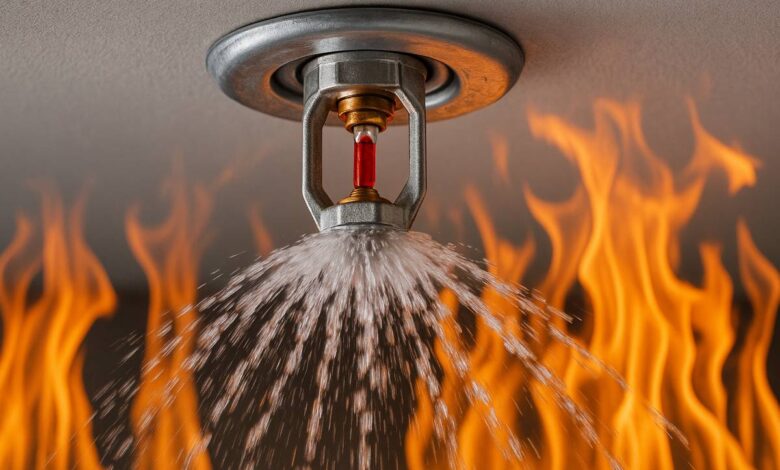
Building safety depends on more than meeting initial installation requirements. Long-term protection requires ongoing maintenance, routine inspections, and proactive risk management. For building owners responsible for protecting people, property, and operations, prioritising Fire Sprinkler Servicing through experienced specialists is an essential part of responsible building management.
Fire sprinkler systems are designed to respond immediately during fire emergencies, helping limit damage and improve occupant safety. However, maintaining that level of reliability requires regular servicing to ensure systems continue operating correctly over time.
Fire Safety Requires Continuous Attention
Fire protection systems operate continuously in the background and are often only noticed during emergencies.
Without ongoing maintenance, building owners may unknowingly face increased safety risks due to system deterioration or hidden operational issues.
Common challenges can include:
- Component wear
- Corrosion
- Reduced water pressure
- Valve failures
- Blocked sprinkler heads
Routine servicing helps identify and resolve these issues before they compromise protection.
Protecting Occupants and Property
The primary objective of any fire protection system is safeguarding people and limiting property damage.
Well-maintained sprinkler systems provide faster response during emergencies, helping reduce:
- Fire spread
- Heat damage
- Smoke exposure
- Evacuation risks
- Structural impact
Reliable fire protection creates safer environments for occupants and improves emergency readiness.
Supporting Reliable Emergency Response
During a fire event, sprinkler systems must activate immediately and perform exactly as designed.
Ongoing servicing ensures critical components remain fully operational and capable of responding without delay.
Professional servicing commonly includes:
- Testing water flow
- Inspecting pipework
- Verifying alarm systems
- Checking control valves
- Confirming overall system functionality
Reliable operation supports faster containment and improved building protection.
Helping Meet Regulatory Responsibilities
Building owners often carry legal and operational responsibilities relating to fire safety.
Routine sprinkler servicing supports compliance by helping maintain:
- Inspection records
- Service documentation
- Operational reliability
- Safety performance standards
- Ongoing maintenance evidence
Meeting these requirements reduces regulatory exposure and demonstrates responsible property management.
Improving Long-Term Building Performance
Well-maintained fire systems support broader building management objectives beyond emergency protection.
Long-term advantages include:
- Extended equipment lifespan
- Lower repair costs
- Improved maintenance planning
- Reduced operational disruption
- Greater system reliability
These improvements support safer and more efficient property operations over time.
Frequently Asked Questions (FAQs) about Fire Sprinkler Servicing
Why should sprinkler systems be serviced regularly?
Regular servicing helps maintain system reliability by identifying faults early and ensuring components remain capable of responding effectively during emergencies.
Can servicing extend the sprinkler system’s lifespan?
Yes. Routine maintenance reduces wear, prevents avoidable failures, and supports longer-term operational performance.
Does sprinkler servicing help with compliance?
Professional servicing supports compliance by maintaining inspection records and demonstrating responsible fire protection management.
What happens if sprinkler systems are not maintained?
Neglected systems may develop hidden faults that reduce reliability and increase building safety risks during emergencies.
Is professional servicing necessary?
Yes. Qualified specialists have the expertise to inspect, test, and maintain fire sprinkler systems correctly while supporting safety and performance standards.
Conclusion
Prioritising ongoing Fire Sprinkler Servicing is one of the most effective ways building owners can strengthen fire protection and support long-term building safety.
Through routine inspections and professional maintenance, buildings become more resilient, systems remain dependable, and owners gain greater confidence that fire protection measures will perform when they are needed most.
READ ALSO: What Families Should Know About Institutional Abuse Compensation