Are you worried about unauthorized people entering your property? Proper access systems can reduce break-ins and log who enters and leaves. This post will explain common options, show key benefits, and give clear steps for setup.
Read on to secure your property.
The Importance of Reliable Access Systems
Reliable access systems keep properties safe. They control who enters and when. Modern control systems use authorization checks, keyless entry, and remote access. Property managers use these tools to cut intrusion risks and boost protection.
Good access management links to surveillance and monitoring. Staff can track traffic flow and spot odd activity fast. Solid installation and regular maintenance lower failure rates and service calls. Tenants gain convenience and secure access at the same time.
For those looking to improve their property’s security, considering gate repair in San Francisco can be a crucial step in ensuring reliable access.
Types of Modern Access Control Systems
Access control systems come in various modern forms. Each type offers unique features to enhance security and convenience.
Keycard and Keypad Systems
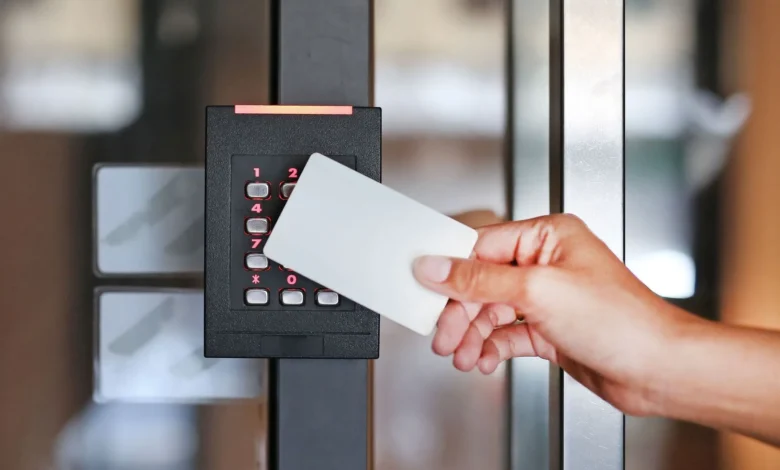
Keycard and keypad systems offer controlled entry for properties. Managers install them to simplify access management and improve security. These control systems use codes or cards for authentication and for keyless entry.
System logs help with monitoring and intrusion detection. Regular installation checks and firmware updates keep locking mechanisms reliable.
Biometric Access Control
Biometric systems use fingerprints, iris, or facial scans to control access. They replace keys and keycards with keyless entry. This boosts authentication and improves security for residents and staff.
Installers link biometric readers to access control panels and monitoring platforms. Managers set authorization levels to limit entry and log every attempt. These systems cut intrusion risks and speed emergency response.
Smart Lock Systems
Smart lock systems use technology to improve security. They allow you to secure your property without a key. Instead of traditional locks, these systems work with codes or smartphones.
Many smart locks offer features like remote access and monitoring. You can control who enters your home from anywhere using an app.
These locks also provide alerts when someone enters or leaves. This helps in keeping track of visitors at all times. Smart lock systems often integrate with other security systems for better protection. Security starts at ground level too, and interlocking and landscaping gives the driveway and front path a stable, level approach to the gate and entry points.
Benefits of Reliable Access Systems
Reliable access systems help keep your property safe. They stop unauthorized entry and track who enters and leaves. These systems also improve response times in emergencies. Learn how these benefits can strengthen your security.
Preventing Unauthorized Entry
Preventing unauthorized entry is crucial for property security. Reliable access systems block intruders from accessing your space. Keycard and keypad systems allow only authorized users in.
Biometric access control uses fingerprints or facial recognition for added safety. Smart lock systems offer keyless entry, which increases convenience while securing doors.
Surveillance can complement these systems by monitoring activities around the property. This technology instantly alerts you to any suspicious behavior. Regular updates and maintenance of your access control keep it effective, providing peace of mind that your property remains secure against intrusions.
Monitoring and Managing Traffic Flow
Monitoring traffic flow is essential for property security. Dependable access systems assist in tracking who enters and exits a location. They can record times and dates, offering valuable data for property management.
Managing this flow aids in ensuring safety. Security teams can observe high-traffic times and adjust their focus accordingly. With effective access management, unauthorized entries decrease significantly, improving overall protection.
Enhancing Emergency Response
Monitoring and managing traffic flow leads to better safety. Reliable access systems boost emergency response times. They allow quick entry for first responders during critical situations.
Emergency personnel can get in faster, which helps save lives.
These systems often include features like remote access control and real-time alerts. This allows property managers to grant immediate access when emergencies arise. With video monitoring, they can see what is happening on-site and respond effectively. Effective integration of these technologies ensures a safer environment for everyone involved.
Integrating Video Monitoring for Improved Security
Video monitoring boosts property security. It works well with access control systems.
- Video cameras provide real-time surveillance. This allows property managers to see what happens on-site at any moment.
- Security footage aids in investigations. If a crime occurs, stored video can show who was involved and what happened.
- Deterrence against crime increases with visible cameras. Criminals avoid places where they know they can be observed.
- Many modern systems allow remote viewing on mobile devices. Property owners can check their premises from anywhere at any time.
- Integration with access control enhances protection. Video feeds can connect to lock systems, providing alerts when unauthorized access occurs.
- Advanced analytics assist in identifying suspicious activity. These tools can flag unusual behavior, making it easier to respond quickly.
- Clear images from high-definition cameras improve clarity during incidents. Details captured are crucial for any law enforcement follow-up.
- Regular updates and maintenance keep video monitoring effective. Keeping software current enhances security features against new threats.
- Combining video monitoring with alarms creates a stronger defense system. Alarms can alert authorities while the camera records the event.
- Proper placement of cameras ensures full coverage of all entry points and vulnerable areas around the property.
Maintaining and Upgrading Access Control Systems
Access control systems need regular maintenance and upgrades. This ensures consistent security and efficiency.
- Schedule routine checks: Regularly check access control systems for any issues. Look for signs of wear or malfunctions to catch problems early.
- Update software: Keep the software of access control systems up to date. Updates can fix bugs and close security gaps.
- Test backup systems: Ensure backup power sources function properly. This helps keep the access control system running during power outages.
- Review access permissions: Regularly assess who has access to various areas. Remove permissions for former employees or those who no longer require access.
- Check hardware components: Inspect keycard readers, smart locks, and other hardware for damage or wear. Replace any faulty parts to maintain effectiveness.
- Educate staff: Provide training on proper use of the access systems to all employees. Well-informed staff can help prevent unauthorized entry.
- Monitor system logs: Keep an eye on system logs for unusual activity or attempts at unauthorized access. Quick action can stop potential breaches before they escalate.
- Upgrade technology in a timely manner: As technology evolves, upgrade old equipment with new features that enhance security measures.
- Consult security professionals: Work with security experts regularly to assess your system’s effectiveness and make necessary improvements.
- Document changes: Keep clear records of any changes made to the access control system for future reference, reviews, or audits.
Conclusion
Reliable access systems boost property security. They stop intruders and keep people safe. Upgrading these systems improves protection and convenience. Pair them with video monitoring for even better safety.
Investing in smart technology is a key step toward peace of mind.