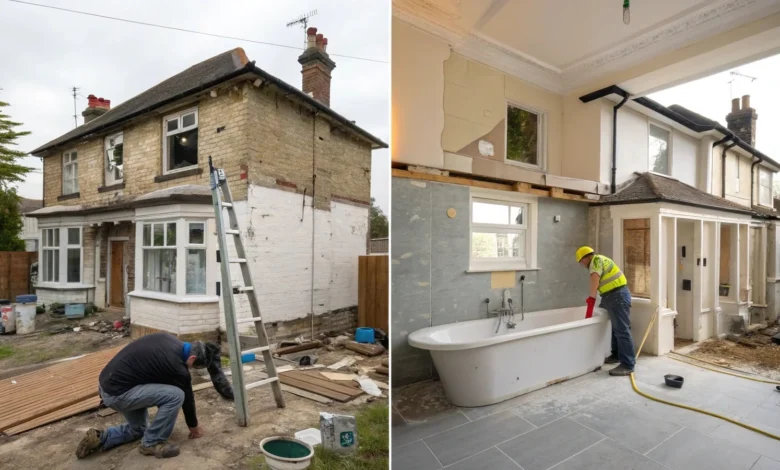
You plan a renovation and worry about hidden problems that raise costs and delay work. Tests can find asbestos, lead, mold, and soil issues before work starts. This post explains what to test, why it matters, and steps to take.
Read on to protect your project.
Identifying Hidden Dangers Before Renovation
Hidden dangers can lurk in any property. Testing for issues like asbestos, mold, and lead can keep you safe during renovations.
Asbestos Testing
Asbestos testing finds dangerous fibers in older buildings. Contractors and homeowners need test results before renovation. A certified inspector collects samples and sends them to an accredited lab. Test reports guide safe removal and disposal, and help with compliance.
Sampling follows strict protocols to limit fiber release. Certified labs use microscopy to identify asbestos types and concentrations. Clear results protect worker safety and reduce liability during renovation. Include asbestos checks in any property inspection and pre-renovation analysis.
Lead-Based Paint and Lead Exposure
Following asbestos testing, check for lead-based paint before work starts. Many older homes contain lead paint from before 1978. Lead chips and dust can spread during demolition. Contractors should order certified lead testing and include lead exposure in the inspection report.
Children face the highest health risks from lead. Renovation without testing can raise blood lead levels and trigger costly remediation. Certified inspectors sample paint and dust, and labs report exact lead amounts. Clearance testing proves the site meets safety and compliance standards after work ends.
Mold Inspection
Mold inspection finds hidden growth before renovation. Inspectors use visual checks, moisture meters, and air samples. Mold testing helps protect health and stops damage to walls and wood.
Property testing for mold reduces the chance of costly repairs later. Contractors can plan work based on lab results and remediation needs.
Importance of Soil Testing
Soil testing is vital for your renovation project. It shows if the ground has contaminants that can harm your home or health.
Soil Contamination Risks
Contaminated soil can pose serious health risks. Harmful chemicals may seep into the ground from old paint, pesticides, or industrial waste. These toxins can enter plants and water sources. This leads to potential exposure for people living nearby.
Testing soil helps identify these dangers before starting a renovation. Knowing what lies beneath your property protects workers and future residents from harm. Soil analysis is vital for safe construction practices. It also ensures foundation stability during renovations by checking for contaminants that could weaken structures or affect safety.
Foundation Stability Assessment
Foundation stability assessment checks if a building’s base is strong. A weak foundation can cause serious problems. Cracks in walls or floors may appear due to unstable ground. Water damage can also weaken foundations over time.
Soil analysis plays a key role in this assessment. Experts test soil composition and drainage capabilities before renovations start. They look for signs of shrink-swell soils, which change with moisture levels. Soil contamination risks can also affect the foundation’s integrity. Proper testing helps ensure safety during renovation projects and protects property value long-term.
One crucial part of ensuring safety in older properties is conducting a lead inspection to identify any potential hazards before starting renovation work.
Ensuring Compliance and Safety
Regulations are key in renovation work. Following them keeps everyone safe on the job site.
Regulatory Requirements
Property testing follows strict rules. These rules help keep everyone safe during renovations.
- Local laws often require inspections before starting renovation projects. These regulations aim to protect residents and workers from hazards.
- Adhering to safety codes is essential in every project. It ensures that the work meets required standards for health and safety.
- Many areas need permits for specific types of renovations. Without these permits, homeowners may face fines or legal issues.
- Building codes dictate how renovations should be conducted. Following these codes helps maintain the structural integrity of the property. A thorough property test can also affect the approval process for a mortgage if hidden issues are discovered during the renovation project.
- Environmental assessments might be necessary for some properties. These checks ensure the site is free from harmful materials, such as asbestos or lead.
- Some states require soil testing before any ground work begins. This testing checks for contamination that could affect safety and health.
- Worker safety guidelines must be followed on job sites. Adhering to these guidelines minimizes risks and protects those involved in the renovation process.
- Noncompliance can lead to delays in projects or costly rework later on. Spending time on compliance upfront saves money down the line.
- Proper documentation is crucial during property inspections and tests; it serves as proof that all regulations were followed.
- Engaging professionals familiar with local regulations makes this process easier for homeowners and contractors alike.
Ensuring compliance shows commitment to quality control and risk management throughout renovation projects.
Liability and Worker Safety
Liability issues can arise without proper property testing. Renovation projects often involve hazardous materials like asbestos and lead paint. If workers are exposed to these dangers, it can lead to serious health risks and costly lawsuits.
Testing helps identify such hazards before work begins, reducing the chances of accidents.
Worker safety is a top priority during any renovation. Inspections for mold, asbestos, or soil contamination ensure a safe environment for everyone on site. Following compliance rules protects both workers and homeowners from legal actions. Once testing clears the way, exterior prep follows, and home exterior services handle the window, surface, and lawn cleanup that gets a property ready before and after the work.
Safe practices create peace of mind for all involved in the project.
Benefits of Professional Property Testing
Professional property testing gives accurate results. Experts provide insights that help homeowners and contractors make smart choices.
Accurate Results and Expert Insights
Accurate results come from thorough property testing. This testing includes checks for asbestos, lead, mold, and soil stability. Experts provide insights based on these tests. Their knowledge helps homeowners and contractors make informed decisions before renovation projects.
Mistakes can be costly in renovations. Testing uncovers hidden dangers that might not be visible. It also ensures compliance with safety regulations. Homeowners gain peace of mind knowing their homes are safe to renovate.
Peace of Mind for Homeowners and Contractors
Property testing gives homeowners and contractors peace of mind. Knowing the condition of a property before renovation is crucial. Testing for risks like asbestos, mold, and lead ensures safety during projects.
Homeowners can trust that their environment is safe for living or working after renovations.
Contractors benefit from clear inspection results too. They can plan work better and avoid surprises later on. This leads to smoother operations and higher quality control in their projects.
By prioritizing property testing, all parties involved feel more secure moving forward with renovations.
Conclusion
Testing your property is key before any renovation. It helps find hidden dangers like asbestos, mold, or lead paint. Soil testing ensures a safe foundation for your project. Professionals provide accurate results and insights, which bring peace of mind to homeowners and contractors.
Make property testing a priority to ensure safety and compliance during renovations.