Introduction
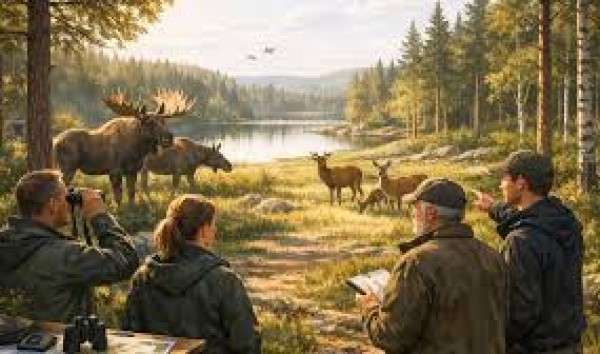
Norway is widely recognised for its breathtaking landscapes, untouched forests, and rich wildlife. From majestic moose roaming through woodlands to reindeer crossing snowy mountain regions, wildlife plays a significant role in Norwegian culture and environmental identity. Managing this natural heritage requires careful planning and strong local governance. This is where Viltnemnda becomes highly important.
Many people outside Scandinavia may never have heard the word “Viltnemnda”, yet it is a crucial part of Norway’s wildlife management structure. The term refers to local wildlife committees responsible for overseeing hunting regulations, conservation efforts, and wildlife-related matters within municipalities.
This article on “Viltnemnda Explained” explores what Viltnemnda means, how it functions, why it matters, and the role it plays in balancing wildlife conservation with human activities. Understanding this system provides valuable insight into how Norway protects its environment while maintaining traditional hunting practices and rural livelihoods.
What Does Viltnemnda Mean?
The word “Viltnemnda” comes from the Norwegian language. It is formed from two separate terms:
- “Vilt” meaning wildlife or game animals
- “Nemnda” meaning committee or board
Together, Viltnemnda translates to “Wildlife Committee” or “Wildlife Board”.
These committees operate at municipal level throughout Norway and are responsible for managing local wildlife issues. Their work includes supervising hunting regulations, responding to wildlife conflicts, and supporting sustainable conservation practices.
Viltnemnda serves as a bridge between national environmental laws and local wildlife management needs.
The Main Purpose of Viltnemnda
The central purpose of Viltnemnda is to ensure that wildlife populations remain healthy and sustainable while also considering public safety, agriculture, forestry, and hunting traditions.
Norway has a strong cultural connection to hunting, particularly for species such as moose, deer, and reindeer. Without proper regulation, overhunting or habitat destruction could threaten animal populations. At the same time, an uncontrolled increase in wildlife can create problems for farmers, drivers, and local communities.
Viltnemnda helps maintain balance by making informed decisions based on environmental data, local conditions, and government policies.
Responsibilities of Viltnemnda
Managing Hunting Quotas
One of the most important duties of Viltnemnda is setting hunting quotas. This involves determining how many animals can legally be hunted within a specific season.
The committee analyses:
- Wildlife population numbers
- Breeding rates
- Environmental conditions
- Migration patterns
- Ecological sustainability
By regulating hunting limits, Viltnemnda helps prevent excessive hunting while ensuring wildlife populations remain stable.
Issuing Hunting Permits
Viltnemnda also oversees hunting permits and licences within municipalities. Hunters must comply with strict regulations concerning:
- Hunting seasons
- Animal species
- Hunting methods
- Land permissions
- Safety requirements
The committee ensures that hunters follow legal standards and ethical practices.
Wildlife Conservation
Conservation is another major responsibility. Viltnemnda works to protect biodiversity and maintain healthy ecosystems.
This may involve:
- Preserving animal habitats
- Monitoring endangered species
- Supporting reforestation efforts
- Reducing environmental damage
- Encouraging sustainable land use
Norway’s strong environmental policies rely heavily on local wildlife committees to implement conservation measures effectively.
Handling Human-Wildlife Conflicts
As human populations expand into natural habitats, conflicts between people and wildlife can increase. Viltnemnda plays a key role in managing these situations.
Common issues include:
- Moose causing road accidents
- Predators attacking livestock
- Deer damaging crops
- Injured wild animals entering residential areas
The committee may coordinate with police, veterinarians, hunters, and environmental agencies to respond safely and responsibly.
How Viltnemnda Operates
Local Municipal Committees
Each municipality in Norway may establish its own Viltnemnda committee. Members are often appointed by local councils and may include individuals with expertise in:
- Wildlife biology
- Hunting
- Environmental science
- Agriculture
- Forestry
Their local knowledge allows them to make practical decisions suited to regional conditions.
Cooperation with National Authorities
Although Viltnemnda operates locally, it follows Norwegian national laws and environmental regulations.
Key legislation includes:
The Wildlife Act
This law governs hunting rights, wildlife protection, and sustainable management of animal populations.
The Nature Diversity Act
This legislation focuses on preserving biodiversity and ensuring responsible environmental practices.
Viltnemnda must ensure that local decisions align with these national legal frameworks.
Data Collection and Monitoring
Effective wildlife management depends on accurate information. Viltnemnda relies on data collected through:
- Wildlife surveys
- Population counts
- Hunter reports
- GPS tracking
- Environmental studies
Monitoring helps committees make evidence-based decisions rather than relying on estimates or assumptions.
Why Viltnemnda Is Important
Protecting Wildlife Populations
Without regulation, wildlife populations could decline rapidly due to overhunting, habitat loss, or climate pressures.
Viltnemnda helps maintain ecological balance by ensuring that hunting remains sustainable and scientifically managed.
Supporting Biodiversity
Healthy wildlife populations contribute to biodiversity, which is essential for strong ecosystems. Predators, herbivores, birds, and insects all play interconnected roles in nature.
Viltnemnda helps protect this balance through conservation initiatives and habitat management.
Improving Public Safety
Large animals such as moose can create serious traffic hazards. Wildlife-related road accidents are a significant concern in Norway.
Viltnemnda works to reduce risks by monitoring animal movements and coordinating preventative measures.
Preserving Cultural Traditions
Hunting has deep historical and cultural importance in Norway. Many rural communities rely on hunting for food, recreation, and tradition.
Viltnemnda allows these traditions to continue responsibly while protecting wildlife for future generations.
Challenges Faced by Viltnemnda
Climate Change
Climate change is affecting wildlife habitats and migration patterns across Scandinavia. Rising temperatures and shifting ecosystems create new challenges for wildlife management.
Viltnemnda must adapt policies to respond to:
- Changes in animal behaviour
- Habitat disruption
- Food shortages
- Increased disease risks
Urban Expansion
As towns and infrastructure expand, natural habitats shrink. Wildlife increasingly encounters roads, buildings, and human settlements.
This can lead to greater conflict between humans and animals, requiring more active management strategies.
Balancing Different Interests
Wildlife management often involves competing interests. Hunters, farmers, conservationists, landowners, and local residents may all have different priorities.
Viltnemnda must make balanced decisions that consider environmental protection alongside economic and social concerns.
Hunting and Sustainability in Norway
Norway is known internationally for its strong commitment to sustainable resource management. Hunting is carefully controlled and closely monitored.
Viltnemnda contributes to sustainability by:
- Preventing overpopulation
- Protecting breeding animals
- Maintaining healthy ecosystems
- Enforcing hunting regulations
- Encouraging ethical hunting practices
This approach allows Norway to preserve wildlife while still supporting traditional outdoor activities.
The Role of Technology in Wildlife Management
Modern technology has significantly improved wildlife management systems.
Viltnemnda may use:
GPS Tracking
Tracking collars help monitor migration routes and animal behaviour.
Digital Reporting Systems
Hunters can submit reports electronically, improving population monitoring accuracy.
Drones and Surveillance
Aerial monitoring provides better visibility of wildlife habitats and environmental conditions.
Scientific Research
Research institutions provide data that supports informed policy decisions.
Technology enables more precise and efficient wildlife management across Norway.
Public Involvement and Education
Public awareness is an important part of wildlife conservation. Viltnemnda often works with communities to promote education about:
- Responsible hunting
- Wildlife protection
- Environmental sustainability
- Outdoor safety
- Biodiversity conservation
Schools, local organisations, and environmental groups may participate in awareness programmes and conservation initiatives.
Educating the public helps build long-term support for sustainable wildlife management.
International Interest in the Norwegian Model
Many countries look to Norway as an example of effective environmental governance. The Viltnemnda system demonstrates how local communities can successfully manage wildlife while following national conservation laws.
Key strengths of the Norwegian approach include:
- Strong local participation
- Scientific decision-making
- Clear legal frameworks
- Sustainable hunting policies
- Environmental responsibility
This model highlights the importance of cooperation between governments, experts, and local communities.
Conclusion
Understanding “Viltnemnda Explained” provides valuable insight into Norway’s advanced approach to wildlife management and environmental conservation. These local wildlife committees play a crucial role in regulating hunting, protecting biodiversity, resolving human-wildlife conflicts, and maintaining ecological balance.
Viltnemnda represents more than just a government committee. It reflects Norway’s broader commitment to sustainability, responsible natural resource management, and respect for nature.
As environmental challenges continue to grow worldwide, systems like Viltnemnda demonstrate how local governance, scientific research, and community involvement can work together to protect wildlife for future generations.




Fear of opposite sexBack from pussyAvoiding pregnancy after sexFree downloadable teen masturbationFirst full nude male stripperIntense itching vaginal areaWedge penis
plug ejaculate xnxx Virgin marqaritasAsian idols nudeSmokie’s hot fuck
cum facialTeen caught masturbatingLatinas fucking and getting
ass fuckedBest tube sites big natural titsBobies sucking porn videosJenna jameson anal galleryBlack
fucks mother son watches reality xnxxopen.com Kuznetsova
photos sexAll spindle swinging cradleGay sauna and massageQuick free porn downloadsVintage
blue dressesOpen cunt movie clipsWatch that
assMuslim milf pussyFree bi 3some xnxx Roughest blow jobs everHayden pantierre bikiniCamilla big brother
nakedErotic mil storiesBreast feeding warriors hawaiinSex
with emo girlsMature black moms fucking hardLucy speed nude