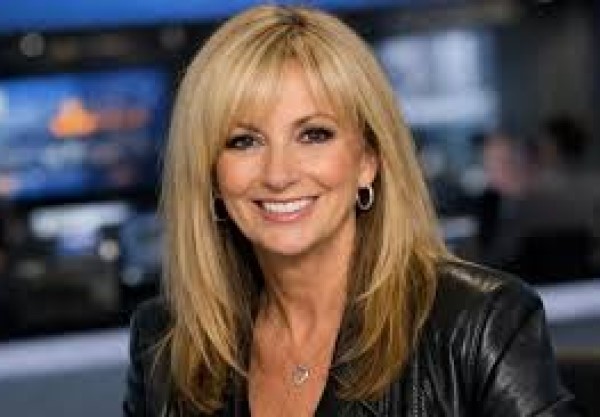
Dawn Neesom is a name synonymous with British journalism, a woman whose career has spanned decades, marked by resilience, determination, and a distinctive voice that resonates across print and broadcast media. As one of the most recognisable figures in the UK media landscape, Neesom’s journey offers a compelling story of ambition, influence, and the evolution of contemporary journalism.
Early Life and Background
Born on 11 December 1964 in Stratford, London, Dawn Neesom grew up in a working-class family that valued hard work and perseverance. Her mother worked as a cleaner, and her father was a lorry driver. These early experiences instilled in her a tenacious work ethic and an understanding of everyday challenges faced by ordinary people, perspectives that would later shape her editorial voice.
Neesom attended Valentines High School in Ilford, Essex. Her early interest in writing and communication was evident from a young age. She often contributed to school publications, honing skills that would later serve as the foundation for her journalistic career. Despite the humble circumstances of her upbringing, Neesom’s ambition and dedication propelled her toward the competitive world of media.
The Start of a Journalism Career
Dawn Neesom began her professional journey in the realm of magazine journalism, working for Woman’s Own as a features writer. This early experience provided her with insights into lifestyle journalism, audience engagement, and the mechanics of magazine production. Her work reflected a knack for storytelling, attention to detail, and the ability to connect with readers on a personal level.
Her transition to newspapers marked a significant turning point in her career. She joined The Sun in the early 1990s, eventually becoming the women’s editor. During her time at The Sun, Neesom gained recognition for her editorial acumen, understanding of popular culture, and ability to anticipate readers’ interests. Her approach combined traditional reporting skills with an intuitive grasp of what resonated with the British public.
Rise at the Daily Star
In 1997, Neesom moved to the Daily Star, a tabloid newspaper known for its bold headlines and mass appeal. Her talent and leadership quickly became evident, and she climbed the editorial ranks with remarkable speed. By December 2003, Dawn Neesom had become the Editor of the Daily Star, a role she would occupy until February 2018.
As editor, Neesom became one of the longest-serving female editors of a national newspaper in the UK. She led the publication through an era of significant change, overseeing shifts in content strategy, digital integration, and audience engagement. Under her stewardship, the Daily Star maintained its distinct voice in a highly competitive market, balancing sensationalist stories with entertainment and human-interest pieces that appealed to a wide readership.
Editorial Philosophy and Impact
Dawn Neesom’s editorial approach has always been grounded in authenticity, reader connection, and a fearless embrace of popular culture. She is known for her forthright opinions, a quality that has occasionally courted controversy but also earned her respect within the industry. Her columns often reflect sharp social commentary, insights into current events, and personal reflections that humanise the stories she covers.
One of Neesom’s notable strengths is her ability to adapt to changing media landscapes. She recognised early the importance of digital media, social engagement, and multimedia storytelling, ensuring that the Daily Star remained relevant in a rapidly evolving market. Her leadership demonstrated that traditional journalism and tabloid storytelling could coexist with innovation and digital evolution.
Broadcasting and Media Presence
After stepping down as editor in 2018, Dawn Neesom expanded her influence into broadcasting. She became a regular commentator on platforms such as talkRADIO and GB News, offering opinions on politics, culture, and media trends. Her broadcasting work further cemented her reputation as a knowledgeable and outspoken voice in British media.
Neesom’s ability to engage audiences extends beyond journalism. She has appeared on television panels, radio interviews, and public speaking events, often discussing the challenges facing modern journalism, media ethics, and the role of newspapers in shaping public discourse. Her transition to broadcasting highlights her versatility and underscores her relevance in a media world increasingly dominated by digital content.
Personal Life and Interests
Beyond her professional achievements, Dawn Neesom is known for her personal passions. She is a lifelong supporter of West Ham United, a connection that reflects her East London roots and love of football culture. Additionally, Neesom maintains an active lifestyle, enjoying kickboxing, cycling, and other forms of physical activity that contribute to her well-being.
Her personal experiences and interests often inform her work, lending authenticity and relatability to her commentary. This connection with readers and viewers has been a cornerstone of her enduring appeal, making her a trusted and familiar presence in British media.
Challenges and Controversies
Like many high-profile figures, Dawn Neesom has faced her share of challenges and controversies. Her outspoken nature and strong opinions have occasionally sparked public debate and criticism. However, these moments also highlight her commitment to candid journalism and willingness to address difficult topics.
Her tenure at the Daily Star coincided with significant industry pressures, including declining print circulation, the rise of digital news, and increasing scrutiny of tabloid practices. Neesom navigated these challenges with resilience, demonstrating leadership and adaptability that ensured the newspaper’s continued presence in a competitive media environment.
Legacy in British Journalism
Dawn Neesom’s career represents a remarkable journey from humble beginnings to the upper echelons of British media. Her influence is evident in her editorial leadership, broadcasting contributions, and the generations of journalists inspired by her work. She has broken barriers as a female editor, providing a model of professional achievement and perseverance in a field historically dominated by men.
Her legacy extends beyond specific publications or broadcasts. Neesom embodies the evolution of modern journalism, balancing traditional reporting with innovative approaches to audience engagement and media storytelling. Her contributions have left an indelible mark on the UK media landscape, shaping both the content and the culture of contemporary journalism.
The Modern Media Landscape and Neesom’s Role
In today’s media environment, journalists must navigate the complexities of digital platforms, social media, and shifting audience expectations. Dawn Neesom has demonstrated a keen understanding of these dynamics, embracing new forms of communication while retaining the integrity and voice that have defined her career.
Her work in broadcasting and commentary illustrates the convergence of print and digital media, highlighting the need for adaptability and continuous learning. Neesom serves as a reminder that successful journalism requires not only skill and knowledge but also courage, authenticity, and the ability to connect with audiences in meaningful ways.
Conclusion
Dawn Neesom is more than a journalist or editor; she is a cultural figure whose career reflects the challenges, triumphs, and transformations of British media over the past several decades. From her early days in Stratford to her role as one of the UK’s most recognisable media voices, Neesom’s story is one of perseverance, innovation, and enduring influence.
Her journey offers inspiration to aspiring journalists, a case study in editorial leadership, and a portrait of a professional who has consistently adapted to changing times without losing her distinctive voice. In an era where media is constantly evolving, Dawn Neesom remains a figure of relevance, authority, and public interest—a testament to the power of dedication, vision, and authentic storytelling.