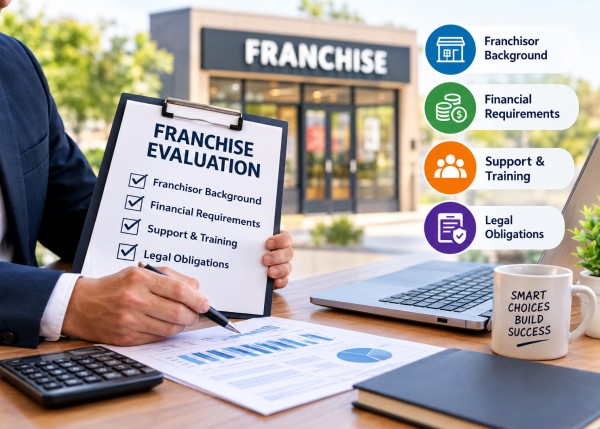
Evaluating a franchise opportunity requires careful analysis of multiple factors before you commit your time and capital. The decision to become a franchisee is significant, and rushing through the evaluation process can lead to costly mistakes. You will need to examine the franchisor’s track record, financial requirements, support systems, and legal obligations. Understanding what makes a franchise viable for your situation helps you avoid pitfalls and identify genuine opportunities. The key elements below outline what you should assess when considering a franchise investment.
Understanding the Franchisor’s Background and Performance
Before you sign any agreements, you need to research the franchisor’s history and operational performance. Look into how long the company has been franchising, how many locations currently operate, and what percentage of franchises remain open after five years. You can request this information directly from the franchisor, and they are required to provide it in their franchise disclosure document. Speak with existing franchisees about their experiences, including profitability, support quality, and whether they would make the same investment decision again. Ask the franchisor for references and contact these franchisees independently rather than relying solely on the company’s recommended list. Understanding the franchisor’s reputation and stability gives you confidence in your potential partnership.
Reviewing Financial Requirements and Projections
You should thoroughly examine all costs associated with opening and operating a franchise location. These expenses typically include the initial franchise fee, equipment purchases, real estate costs, inventory, and working capital for the first several months of operation. Request a detailed Item 19 statement from the franchisor if available, as this document outlines average unit volumes and profitability data from existing franchises. Compare these financial projections against industry benchmarks and your own market research to verify realistic expectations. Be cautious of claims that promise quick returns or unusually high profit margins, as these may reflect unrealistic projections. You should also understand ongoing royalty payments, marketing fees, and any other recurring expenses you will owe to the franchisor.
Assessing Support Systems and Training
The level of support you receive from the franchisor significantly impacts your success as a franchisee. Evaluate what training programs the franchisor provides before you open and during ongoing operations. Entrepreneurs exploring a kids franchise business often find that robust franchisor training and operational support are central to their confidence in launching, particularly when serving a family-focused customer base that expects consistent quality and service. Ask about ongoing marketing support, operational guidance, technology systems, and access to purchasing networks that may reduce your costs. Determine whether the franchisor has a dedicated support team and how accessible they are when you need assistance. You should also inquire about peer networks among franchisees, as these communities can provide valuable business insights and problem-solving opportunities.
Examining the Franchise Agreement and Legal Obligations
You must carefully review the franchise agreement with an attorney who specializes in franchise law before you commit. This contract outlines your rights and responsibilities, including territorial restrictions, renewal terms, termination conditions, and restrictions on how you operate the business. Pay attention to clauses regarding non-compete agreements, as these may limit your business opportunities if you decide to leave the franchise. Understand what happens if you want to sell your franchise or if the franchisor decides to terminate your agreement. Verify whether the franchisor requires you to purchase supplies exclusively from them or approved vendors, as this affects your operating costs and profit margins. Reviewing the franchise disclosure document with qualified legal counsel is one of the most important steps a prospective franchisee can take. Legal clarity prevents misunderstandings and protects your investment.
Conclusion
Evaluating a franchise opportunity demands systematic research across multiple areas including the franchisor’s background, financial requirements, support systems, and legal terms. You should not rush this process, as thorough due diligence helps you make an informed decision aligned with your business goals and financial situation. Consulting with existing franchisees, reviewing financial documents, and working with specialized attorneys provides you with comprehensive insights. Take the time to verify claims, compare projections with industry data, and assess whether the franchisor’s support matches your needs. Carefully evaluating these key dimensions positions you to identify franchise opportunities that offer genuine potential for success.