Introduction
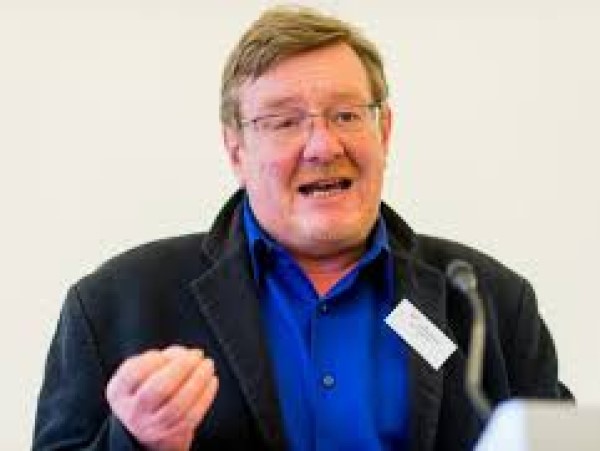
Mark Mardell is one of the most respected figures in British journalism, recognised for his authoritative political analysis, calm broadcasting style, and unwavering commitment to accuracy. Over a career spanning more than three decades, he became a trusted voice for audiences seeking clarity during moments of political uncertainty. Through his work at the BBC, Mark Mardell helped shape public understanding of British and international politics, setting a standard for thoughtful and responsible journalism.
This article explores the life, career, and lasting influence of Mark Mardell, examining his early years, rise within the BBC, major editorial roles, broadcasting style, personal resilience, and enduring legacy in UK media.
Early Life and Education
Childhood and Background
Mark Mardell was born on 10 September 1957 in Hillingdon, Middlesex, England. He grew up during a time of significant political and social change in Britain, which influenced his curiosity about how governments function and how decisions affect everyday life. From an early age, he displayed an interest in current affairs and public debate.
Education and Academic Interests
He was educated at Epsom College, where he developed strong analytical and communication skills. His passion for politics led him to study Politics at the University of Kent. During his university years, Mardell gained a deeper understanding of political systems, democratic institutions, and the role of the media in holding power to account. This academic grounding would later become a defining strength in his journalistic career.
Early Career in Journalism
Local Radio Experience
Mark Mardell began his career in local radio, where he learned the fundamentals of journalism. Reporting at a community level helped him develop strong interviewing skills, editorial judgement, and the ability to present information clearly and fairly.
Independent Radio News
Before joining the BBC, he worked for Independent Radio News. This role exposed him to national political reporting and fast-paced news environments. His work during this period demonstrated reliability and depth, marking him out as a journalist capable of handling complex political stories.
Joining the BBC
Becoming Part of Public Broadcasting
In 1989, Mark Mardell joined the BBC, an organisation synonymous with public service broadcasting in the UK. His arrival coincided with a period of political transformation, providing him with opportunities to report on major national developments.
Establishing a Political Voice
As a political correspondent, he quickly gained recognition for his clear explanations and balanced reporting. He avoided sensationalism, focusing instead on facts, context, and careful analysis. This approach earned him respect from colleagues, politicians, and audiences alike.
Senior Political Roles
Political Editor on Newsnight
Between 1992 and 2000, Mark Mardell served as Political Editor on Newsnight, one of the BBC’s most influential current affairs programmes.
Responsibilities and Influence
In this role, he was responsible for interpreting political events, conducting high-profile interviews, and guiding viewers through complex policy debates. His tenure covered major elections, leadership changes, and constitutional discussions, all of which he handled with authority and restraint.
Chief Political Correspondent
Following his work on Newsnight, Mardell became the BBC’s Chief Political Correspondent. This position placed him at the centre of Westminster reporting, where he covered parliamentary developments and national political debates. His reporting style remained calm, analytical, and deeply informed.
International Reporting and Editorial Leadership
BBC Europe Editor
Mark Mardell later became the BBC’s first Europe Editor, reflecting the growing importance of European affairs to British audiences. He reported on European politics, diplomacy, and Britain’s relationship with its neighbours. His work helped explain complex international structures in an accessible way, strengthening public understanding of European governance.
North America Editor
In 2009, he was appointed BBC North America Editor. Based in the United States, he covered presidential elections, American domestic politics, foreign policy, and global security issues. His reporting provided British audiences with balanced insights into US political life and its global influence.
Radio Broadcasting and Later Career
BBC Radio 4 Presenting
In the later years of his BBC career, Mark Mardell became a familiar and trusted voice on BBC Radio 4. He presented major programmes such as The World This Weekend and The World at One. These roles required not only strong editorial judgement but also the ability to manage live discussions on sensitive and often complex topics.
Departure from the BBC
After more than thirty years of service, Mardell left the BBC in 2020. His departure marked the conclusion of a distinguished broadcasting career, though his influence on journalism and public debate continues.
Personal Life and Health
Family and Private Life
Despite his public career, Mark Mardell has maintained a relatively private personal life. He is married and has three children, balancing family life alongside the demands of high-profile journalism.
Living with Parkinson’s Disease
In 2022, Mardell publicly shared that he had been diagnosed with Parkinson’s disease. His openness was widely admired and contributed to broader public understanding of the condition. Rather than retreating from public engagement, he chose to speak candidly about his experience, helping to challenge stigma and misinformation.
Advocacy and Public Engagement
Following his diagnosis, he became involved in podcasting focused on life with Parkinson’s disease. Through honest conversation and thoughtful reflection, he has continued to inform and support others, demonstrating resilience and purpose beyond traditional broadcasting.
Journalistic Style and Reputation
Commitment to Accuracy
Mark Mardell is widely respected for his commitment to factual reporting and editorial balance. He believes journalism should inform rather than provoke, and this principle has guided his work throughout his career.
Clear Communication
One of his defining qualities is the ability to explain complex political issues in clear, straightforward language. This skill made him accessible to a wide audience and strengthened public trust in his reporting.
Professional Respect
Colleagues and political figures alike have praised his professionalism. His interviews are known for being firm yet fair, challenging yet respectful, reinforcing his reputation as a journalist of integrity.
Legacy and Influence
Impact on British Media
Mark Mardell’s career reflects the highest standards of British public service broadcasting. He has influenced how political journalism is practised, encouraging depth, responsibility, and clarity over spectacle.
Inspiration for Future Journalists
For aspiring journalists, Mardell’s career serves as an example of how credibility is built through consistency, knowledge, and ethical reporting. His work continues to shape expectations of political journalism in the UK.
Conclusion
Mark Mardell’s contribution to British journalism is both substantial and enduring. Through decades of reporting, presenting, and analysis, he has helped audiences navigate political change with understanding and confidence. His commitment to integrity, combined with his resilience in the face of personal challenges, has secured his place as one of the most respected broadcasters of his generation.
From Westminster to Washington and beyond, the voice of Mark Mardell remains synonymous with thoughtful, responsible, and trusted journalism in the United Kingdom.