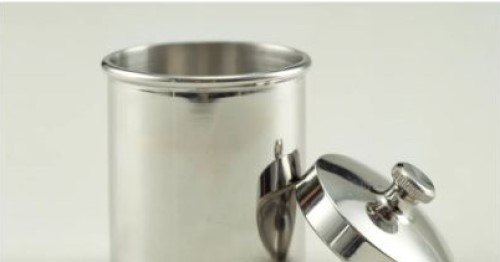
A platinum crucible is a highly specialised form of laboratory and industrial vessel designed for extreme temperature operations and precision material processing. A platinum crucible is widely used in analytical chemistry, metallurgy and advanced manufacturing environments where high purity and stability are essential. The platinum crucible is valued for its inert nature, allowing it to withstand aggressive chemical reactions without contamination.
In modern manufacturing and scientific research, the platinum crucible plays a vital role in high-temperature fusion, sample preparation and gravimetric analysis. Its ability to maintain structural integrity under extreme thermal conditions makes it one of the most reliable forms of refractory laboratory ware available today.
What is a Platinum Crucible
A platinum crucible is a small, heat-resistant container made of platinum or a platinum-based alloy. It is engineered to withstand extreme temperatures while remaining chemically inert. This ensures that materials placed inside are not affected by unwanted reactions during heating, melting, or testing processes.
Key Properties of Platinum Crucible
- Extremely high melting point suitable for intense thermal applications
- Excellent corrosion resistance against acids and reactive chemicals
- Outstanding thermal conductivity ensures uniform heating
- High chemical inertness prevents sample contamination
- Long operational lifespan under repeated heating cycles
The characteristics of the platinum crucible render it indispensable in the precise laboratory where dependability and purity are crucial.
Manufacturing Process of Platinum Crucible
Advanced metallurgical processes that employ highly pure platinum group metals are used to produce a platinum crucible. The material is melted, treated and formed with controlled conditions to assure uniform thickness and structural strength. These precision forming processes provide high-quality, durable and thermally stable components for demanding scientific applications.
Industrial Applications of Platinum Crucible
- High-temperature alloy development in metallurgical industries
- Material testing for refractory and heat-resistant compounds
- Controlled fusion processes in advanced manufacturing systems
- Quality assurance testing in precision engineering sectors
- Chemical processing under extreme thermal environments
The use of these applications makes the contribution of platinum crucibles to the field of high-temperature performance in industries where accuracy and stability are critical, particularly noticeable.
Laboratory Applications
A platinum crucible is widely used in analytical and research laboratories for processes such as ashing, sample fusion and gravimetric analysis. Its non-reactive nature ensures that experimental samples remain uncontaminated, leading to highly accurate and reproducible results. It is especially important in chemical analysis where precision is critical.
Thermal and Chemical Resistance
The most outstanding feature of a platinum crucible is its very high resistance to heat and chemical attack. It can withstand high and low temperatures while retaining structural stability and is inert to most acids and reactive materials. This makes it suitable for severe laboratory and industrial applications where stability is crucial.
Comparison with Nickel Crucibles
Platinum crucibles offer much greater chemical purity and resistance than other types of crucibles. The nickel crucibles have a high production efficiency and are durable and therefore widely used in industrial applications. For instance, at Winward Nickel Crucibles, detailed industrial solutions for nickel crucibles can be explored. Platinum, however, is the better alternative for contamination-free performance and inertness in high-precision analytical applications.
Advantages in Analytical Chemistry
- Ensures contamination-free sample processing in sensitive experiments
- Provides high accuracy in gravimetric and fusion analysis techniques
- Maintains stability under repeated heating and cooling cycles
- Supports high-purity chemical research and advanced laboratory testing
- Enhances reliability in quantitative chemical measurements
The uses of the platinum crucible in the modern analytical chemistry laboratory are too numerous to mention, as it is invaluable for precision and reproducibility.
Selection Guide for Platinum Crucible
The choice of an appropriate platinum crucible is determined by the temperature range, type of chemical and the application. High-purity analytical applications use pure platinum crucibles, and alloy variations can be employed in specialised industrial applications. Optimised selection and use will guarantee optimum performance and service life.
Maintenance and Care
To maintain the performance and longevity of a platinum crucible, its maintenance is crucial. Care should be taken to use gentle cleaning procedures to avoid damage to the surface, and mechanical stress should be minimised. Controlled heating and cooling cycles help maintain structural integrity, ensuring consistent performance in repeated applications.
Final Thought
The platinum crucible remains a highly accurate and effective instrument in manufacturing and laboratory settings. With its high thermal stability, chemical inertness, and durability, it is essential for precision applications where accuracy and purity are paramount. Today, the platinum crucible remains a standard of quality and performance in high-temperature materials processing, both for advanced industrial applications and for analytical chemistry.