Viltnemnda Explained:Understanding Norway’s Wildlife Management Committee and Its Role in Conservation and Local Governance
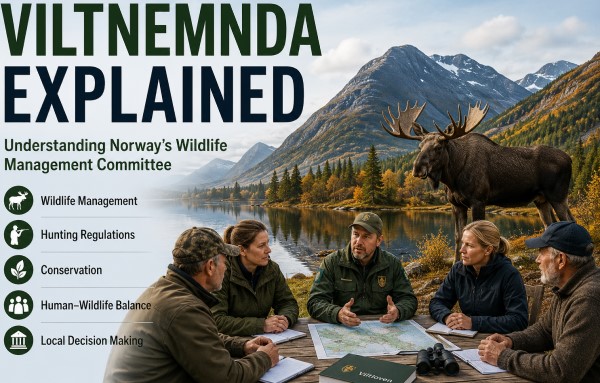
Introduction to Viltnemnda Explained
Viltnemnda is a Norwegian term that refers to a local wildlife management committee responsible for overseeing the balance between wildlife, humans, agriculture, and environmental protection. Although it may sound highly technical, its role is deeply practical and rooted in everyday life across Norway’s municipalities.
In simple terms, Viltnemnda acts as the bridge between national wildlife laws and local community needs. It ensures that wildlife populations are managed sustainably while also reducing conflicts between animals and people.
This article provides a complete and detailed explanation of Viltnemnda, including its purpose, structure, responsibilities, decision-making process, and importance in modern environmental governance.
What Does Viltnemnda Mean?
The word “Viltnemnda” comes from Norwegian:
- “Vilt” means wildlife
- “Nemnda” means committee or board
Together, Viltnemnda translates to “wildlife committee”.
Each municipality in Norway may have its own Viltnemnda, making it a decentralised system. This allows local decision-making based on regional wildlife conditions, which can vary significantly due to geography, climate, and species distribution.
The Purpose of Viltnemnda
The primary purpose of Viltnemnda is to ensure sustainable wildlife management. Norway is home to diverse wildlife such as moose, deer, wolves, lynx, bears, foxes, and various bird species. Without structured management, these populations could create ecological imbalance or conflict with human activities.
Viltnemnda focuses on:
- Maintaining healthy wildlife populations
- Preventing overpopulation or underpopulation of species
- Reducing damage to agriculture and property
- Ensuring public safety on roads and rural areas
- Supporting biodiversity conservation
The committee plays a crucial role in balancing ecological sustainability with human interests.
Structure of Viltnemnda
Viltnemnda is typically organised at the municipal level. Its composition reflects both professional expertise and local community representation.
Who Becomes a Member?
Members are usually appointed based on knowledge or involvement in:
- Hunting and wildlife management
- Agriculture and farming
- Local governance and municipal administration
- Environmental conservation
- Outdoor recreation and forestry
This combination ensures that decisions are balanced and consider multiple perspectives.
Administrative Support
While Viltnemnda itself makes decisions, it is often supported by municipal wildlife officers and environmental advisors who provide scientific data, reports, and recommendations.
Key Responsibilities of Viltnemnda
Viltnemnda carries a wide range of responsibilities that directly affect wildlife and human life in Norway.
Wildlife Population Management
One of its most important roles is regulating wildlife populations. This includes:
- Setting hunting quotas for species such as moose and deer
- Monitoring population growth and decline
- Preventing ecological imbalance caused by overpopulation
Proper management ensures that forests and ecosystems remain healthy and sustainable.
Hunting Regulation and Permits
Hunting is a regulated activity in Norway, and Viltnemnda plays a central role in controlling it.
Responsibilities include:
- Issuing hunting permits
- Defining hunting seasons
- Allocating quotas to landowners or hunting groups
- Ensuring ethical and legal hunting practices
This helps maintain a controlled and sustainable hunting culture.
Handling Human-Wildlife Conflicts
As human settlements expand into natural habitats, encounters between people and wildlife have increased.
Viltnemnda addresses issues such as:
- Animals entering residential areas
- Road accidents involving wildlife
- Damage to crops, farms, and property
- Dangerous encounters with large predators
The committee may authorise actions such as relocation, monitoring, or population control when necessary.
Predator Management
Predators such as wolves, bears, and lynx require careful management due to their ecological importance and potential risks.
Viltnemnda helps balance:
- Conservation of predator species
- Protection of livestock
- Safety of rural communities
This is often one of the most sensitive and debated areas of wildlife governance.
Compensation for Wildlife Damage
Farmers and landowners may suffer losses due to wildlife activity. Viltnemnda may evaluate compensation claims for:
- Livestock killed by predators
- Crop damage caused by grazing animals
- Property damage in rural areas
This system helps maintain fairness between conservation goals and economic livelihoods.
How Viltnemnda Makes Decisions
Decision-making within Viltnemnda is based on a combination of scientific data, field reports, and local knowledge.
Data-Driven Approach
Authorities often rely on:
- Wildlife population surveys
- Tracking and monitoring systems
- Environmental studies
- Road accident statistics involving animals
Local Experience
Local hunters, farmers, and residents provide valuable insight into:
- Animal movement patterns
- Seasonal changes in wildlife behaviour
- Emerging conflicts or risks
Legal Framework
All decisions must comply with Norwegian laws and environmental regulations. This ensures consistency across municipalities.
Importance of Viltnemnda in Modern Society
Viltnemnda plays a vital role in maintaining harmony between humans and nature. Its importance has increased in recent years due to:
- Expanding human settlements
- Climate change affecting wildlife habitats
- Increased road networks crossing animal migration routes
- Rising awareness of biodiversity protection
Without such committees, wildlife management would be inconsistent and potentially harmful to both ecosystems and communities.
Viltnemnda and Sustainable Development
Sustainability is at the core of Viltnemnda’s mission. It contributes to:
Environmental Sustainability
- Protecting ecosystems
- Maintaining biodiversity
- Ensuring natural balance
Economic Sustainability
- Supporting farming communities
- Managing hunting as a regulated resource
- Reducing wildlife-related economic losses
Social Sustainability
- Improving road safety
- Reducing conflicts between humans and animals
- Encouraging responsible outdoor activity
Challenges Faced by Viltnemnda
Despite its structured approach, Viltnemnda faces several challenges:
Balancing Opposing Interests
Farmers, hunters, environmentalists, and conservationists often have conflicting views.
Predator Controversies
Decisions regarding wolves and bears are particularly sensitive and can lead to public debate.
Climate Change Impact
Changing weather patterns affect migration, breeding, and food availability for wildlife.
Urban Expansion
Increasing infrastructure development reduces natural habitats and increases human-wildlife encounters.
Future of Viltnemnda
The future of Viltnemnda is likely to involve more advanced technology and stronger environmental policies. Expected developments include:
- Use of GPS tracking for wildlife monitoring
- AI-based population modelling
- Improved cross-municipality cooperation
- Stronger conservation frameworks
- Enhanced public awareness programmes
These improvements will help ensure more accurate and sustainable decision-making.
Conclusion
Viltnemnda Explained highlights the essential role of Norway’s wildlife management committees in maintaining ecological balance and protecting both nature and human interests. Acting at the municipal level, Viltnemnda ensures that wildlife populations are managed responsibly through science-based decisions, legal frameworks, and local knowledge.
From regulating hunting activities to resolving human-wildlife conflicts and supporting conservation, Viltnemnda represents a practical model of sustainable environmental governance. Its importance continues to grow as societies face increasing environmental pressures and the need for balanced coexistence between humans and nature becomes more critical.