Heavy-duty equipment plays an essential role in industries such as forestry, recycling, mining, and road construction. However, these machines often operate under extreme conditions, facing constant impact, friction, and abrasive materials during daily work. Over time, even the most powerful equipment can experience reduced performance if the wear parts are not durable enough.
Choosing the right wear parts is not only about replacing damaged components. It directly affects cutting efficiency, maintenance costs, and overall equipment productivity. By selecting reliable wear solutions that match your machine and working environment, you can reduce unexpected downtime and extend service life. Working with an experienced wear parts supplier can help you find suitable wear parts designed for different heavy-duty applications.
Why Wear Parts Matter in Heavy Equipment Operations
Wear parts may seem like small components compared with the size of heavy machinery, but they have a direct impact on equipment performance and operating costs. These parts are designed to handle continuous contact with materials while protecting more expensive machine components. Common wear parts include teeth, blades, cutting picks, grinder tips, and hammers, which are widely used in forestry, recycling, mining, and construction applications.
Improve Equipment Efficiency
The condition of wear parts directly affects how efficiently equipment performs. Sharp and durable cutting components can reduce cutting resistance, improve material processing speed, and help machines maintain stable performance during long working hours. When wear parts become dull or damaged, equipment often requires more power to complete the same tasks, resulting in lower productivity and increased fuel consumption.
Reduce Maintenance Costs
High-quality wear parts usually provide longer service life and require fewer replacements. This helps operators reduce maintenance frequency and avoid unexpected downtime caused by sudden component failure. Although premium wear parts may have a higher initial cost, their longer lifespan can create better value over the entire operating cycle.
Protect Equipment Investment
Choosing unsuitable or low-quality wear parts can create additional problems beyond normal wear. Poorly matched components may cause excessive vibration, uneven wear, or even damage to other machine parts. Selecting wear parts that match your equipment model and working conditions helps protect your investment and keeps your machinery operating reliably.
Key Factors to Consider When Choosing Wear Parts
Choosing the right wear parts requires more than simply finding a component that fits your machine. Different applications create different levels of impact, abrasion, and pressure, so the material, design, and manufacturing quality of wear parts all influence their performance. Before making a purchase, you should consider several key factors to ensure the parts can handle your specific working conditions.
- Material Quality
The material used in wear parts plays a major role in determining service life and performance. Different applications require different material characteristics based on the type of work being performed.
For example, alloy steel is often selected for applications that require strong impact resistance, while tungsten carbide reinforced components are commonly used in environments with extreme abrasion. Forestry mulching, mining, and recycling operations often involve harsh materials that can quickly damage standard components, making wear-resistant materials especially important.
When choosing wear parts, you should consider not only hardness but also the balance between strength, toughness, and resistance to wear. A well-designed material combination can help components maintain reliable performance even under demanding conditions.
- Hardness and Wear Resistance
Hardness is an important factor that affects how long wear parts can withstand friction and material contact. However, higher hardness does not always mean better performance.
If a component is too hard, it may become more vulnerable to cracking when exposed to heavy impact. On the other hand, if the hardness is too low, the part may wear out quickly and require frequent replacement.
High-quality wear parts are designed with a balanced combination of:
- Wear resistance
- Impact toughness
- Structural strength
- Long-term durability
This balance allows the component to withstand both abrasion and impact, which are common challenges in heavy-duty equipment operations.
- Compatibility with Equipment
Even a high-quality wear part may not perform properly if it is not suitable for your equipment or application. Before selecting replacement parts, you should confirm important details such as:
- Machine model
- Equipment brand
- Working environment
- Material being processed
- OEM specifications
For example, cutting tools used in forestry equipment experience different forces compared with those used in recycling machines. Forestry applications may require parts that handle impacts from wood and vegetation, while recycling equipment often needs stronger resistance against mixed and abrasive materials.
Choosing the correct match helps improve cutting efficiency, reduce unnecessary wear, and prevent equipment issues.
- Manufacturing Process and Quality Control
The manufacturing process also has a significant impact on the reliability of wear parts. Advanced production methods help ensure that each component meets performance expectations and maintains consistent quality.
Important manufacturing processes include:
- Heat treatment for improving material strength
- Precision machining for accurate dimensions
- Carbide bonding for enhanced wear resistance
- Quality inspection for performance consistency
A professional industrial wear parts manufacturer focuses not only on product design but also on strict manufacturing control. This ensures that every batch of wear parts can deliver stable performance in demanding working environments.
Choose Wear Parts Based on Your Application
Different industries place different demands on heavy equipment, which means there is no universal wear part solution for every machine. The right component should be selected based on the working environment, processed materials, and level of impact or abrasion. Understanding your application helps you choose wear parts that deliver better performance and longer service life.
Forestry Applications
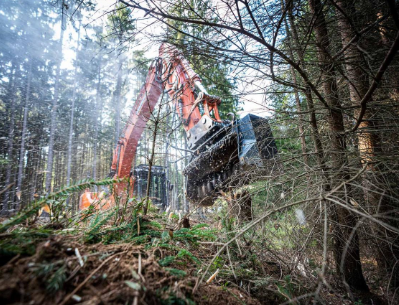
Forestry equipment often operates in challenging outdoor environments, processing wood, roots, and vegetation. Wear parts used in these applications need to withstand strong impact while maintaining efficient cutting performance.
Common forestry wear parts include:
- Mulcher teeth
- Feller buncher parts
- Stump grinder teeth
These components require excellent toughness and wear resistance to handle continuous contact with hard wood materials, soil, and rocks. Selecting durable forestry wear parts can help operators maintain cutting efficiency and reduce replacement frequency during long working hours.
Recycling Applications
Recycling equipment typically processes tough and mixed materials, including wood waste, construction debris, and other recycled materials. These working conditions create significant abrasion and impact on machine components.
Common recycling wear parts include:
- Grinder wear parts
- Shredder blades
- Chipper knives
For recycling operations, wear parts need to provide consistent performance under continuous operation. Components with strong wear resistance can help reduce downtime and improve overall processing efficiency.
Road Milling and Construction Applications
Road milling and construction equipment operates under high-pressure conditions, where cutting tools are exposed to constant friction and impact from asphalt, concrete, and other hard materials.
The most important requirements for these applications include:
- High abrasion resistance
- Strong impact resistance
- Reliable cutting performance
Choosing suitable road milling and construction wear parts helps maintain cutting precision while extending tool replacement intervals.
Mining Applications
Mining is one of the most demanding environments for wear parts. Equipment must work continuously against hard materials such as rock and minerals, creating extreme stress on cutting components.
Mining wear parts require:
- Exceptional durability
- Long service life
- Resistance to heavy impact and pressure
By selecting wear parts designed for specific mining conditions, operators can improve equipment reliability and reduce costly interruptions caused by premature wear.
Why Choose an Experienced Wear Parts Manufacturer
When selecting wear parts, price should not be the only factor you consider. The quality, consistency, and technical support provided by the supplier can directly influence equipment performance and long-term operating costs. A reliable manufacturer should have strong control over materials, production processes, and quality inspection to ensure every component meets the requirements of demanding applications.
An experienced supplier can recommend suitable materials and designs based on your equipment type, working environment, and processing needs. This helps you choose wear parts that provide better durability, reduce replacement frequency, and improve overall productivity.
Partnering with a professional industrial wear parts manufacturer also gives you access to customized solutions, OEM compatibility support, and technical expertise for different industries. JYF Machinery specializes in manufacturing industrial cutting tools and wear parts for forestry, recycling, construction, mining, and other heavy-duty applications, helping customers find reliable solutions for challenging operating conditions.
Conclusion
Choosing the right wear parts is an important step in maintaining heavy-duty equipment performance. Factors such as material quality, hardness, equipment compatibility, working conditions, and manufacturer experience all play a role in determining the service life and reliability of your components.
By selecting wear parts that match your specific application, you can reduce unexpected downtime, lower maintenance costs, and improve overall productivity. Whether you operate forestry, recycling, mining, or construction equipment, investing in reliable wear solutions helps extend equipment life and keeps your operations running efficiently.